

What is Rice Powder Conveying? Understanding Its Design Principles
Rice powder conveying is a specialized process used in the handling and transportation of rice-derived powders, such as rice flour or other rice-based fine particles. This technology is crucial for industries that rely on efficient and reliable movement of these materials from one stage of production to another. Understanding the fundamentals of rice powder conveying, including its design principles, is essential for optimizing operational efficiency and ensuring product quality.
What is Rice Powder Conveying?
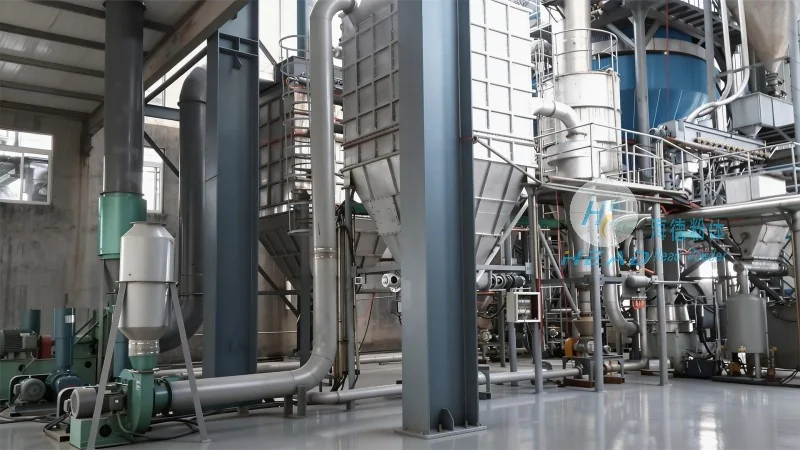
Rice powder conveying refers to the mechanical transport of rice-derived powders, typically in bulk, from a source to a destination within a processing facility. These powders, often with fine particle sizes, require specialized equipment to handle without causing issues like clogging, segregation, or degradation. The process involves various components, including hoppers, conveyors, and control systems, all working in tandem to ensure smooth and consistent movement of the material.
Key Design Principles for Rice Powder Conveying Systems
The design of rice powder conveying systems is guided by several critical principles to address the unique challenges posed by rice powders. These principles focus on material handling efficiency, system reliability, and maintenance simplicity. First, the system must be designed to prevent material buildup and clogging, which is common with fine powders due to their tendency to stick to surfaces. This is achieved through features like self-cleaning mechanisms, appropriate hopper angles, and the use of smooth, non-stick materials for internal components.
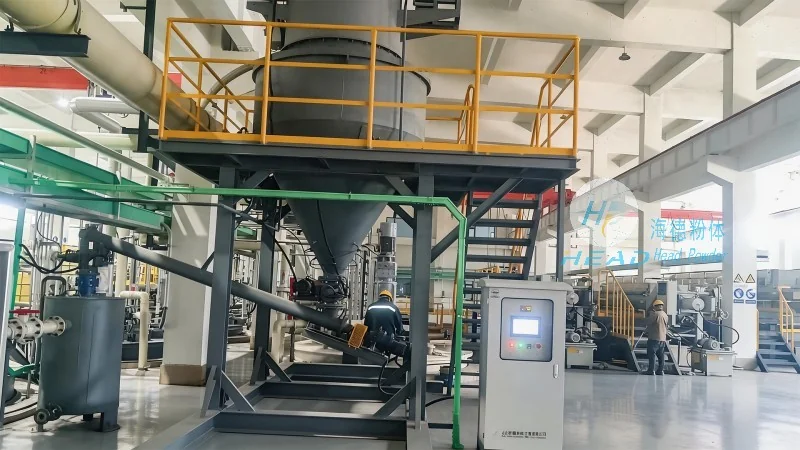
Second, the conveying system must maintain the integrity of the rice powder. This includes preventing segregation, where different particle sizes or densities separate during transport, and avoiding excessive friction or impact that could cause product degradation. Design elements such as gentle acceleration and deceleration, low-velocity conveying, and the use of flexible or adjustable components help achieve this. Additionally, the system should be designed for easy cleaning and maintenance to minimize downtime and ensure consistent performance over time.
Components and Technologies in Rice Powder Conveying
Rice powder conveying systems typically incorporate a range of components and technologies tailored to the specific needs of rice powder handling. Key components include feed hoppers, which are designed to control the flow of powder into the system, and conveyors such as screw conveyors, pneumatic conveyors, or bucket elevators. Each type of conveyor has its advantages and is selected based on factors like material characteristics, system layout, and required conveying distance.
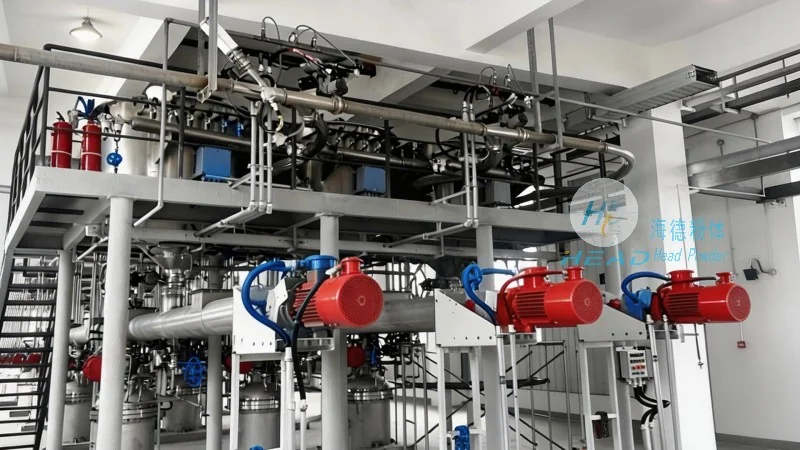
Pneumatic conveying, for example, uses air to transport rice powders, which is effective for fine powders and can handle long distances. Screw conveyors, on the other hand, are often used for shorter distances and provide a more direct, mechanical method of transport. The choice of technology depends on the specific application and operational requirements. Additionally, control systems play a vital role in managing the conveying process, ensuring consistent flow rates and preventing overloading or underloading of the system.
Applications and Industries Using Rice Powder Conveying
Rice powder conveying is widely used in various industries that process rice-based products. These include the food industry, where rice flour is used in baking, snacks, and other food products. The pharmaceutical industry also utilizes rice powder in certain formulations, requiring precise and controlled transport to maintain product quality. Additionally, the agricultural and chemical sectors may use rice-derived powders for various applications, further expanding the scope of rice powder conveying systems.
HeadPowder: Expert in Rice Powder Conveying Solutions
Shandong HeadPowder Engineering Co., Ltd., commonly known as HeadPowder, is a leading provider of rice powder conveying systems and related engineering solutions. With a focus on innovation and customer-centric design, HeadPowder has developed advanced systems that address the unique challenges of rice powder handling. The company's expertise lies in designing and manufacturing conveyors and components that ensure efficient, reliable, and cost-effective transport of rice powders.
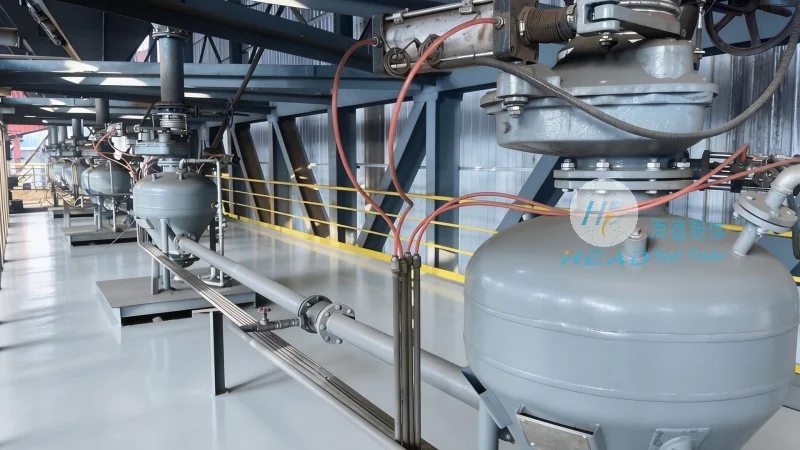
HeadPowder's products are engineered to meet the specific needs of clients, whether for small-scale or large-scale operations. The company emphasizes the importance of adhering to design principles that prevent clogging, maintain product integrity, and ensure easy maintenance. By leveraging years of experience in the industry, HeadPowder provides tailored solutions that enhance operational efficiency and support the growth of its clients' businesses.
Conclusion: The Importance of Effective Rice Powder Conveying
In conclusion, rice powder conveying is a critical process in industries that rely on rice-derived powders. The design principles and technologies used in these systems are essential for ensuring efficient and reliable transport of the material. Companies like Shandong HeadPowder Engineering Co., Ltd. play a vital role in providing advanced solutions that meet the evolving needs of the industry. By understanding and implementing effective rice powder conveying systems, businesses can improve their operational performance, maintain product quality, and achieve long-term success.