

What is Food Salt Powder Conveying? What Are the Design Principles?
Food salt powder conveying refers to the process of transporting granular or powdered food salt from one location to another within industrial or processing facilities. This operation is critical in various food production and processing applications, ensuring efficient and safe movement of the product while maintaining its quality and integrity. The design principles behind such systems are tailored to meet the specific requirements of the food industry, emphasizing hygiene, efficiency, and compliance with regulatory standards.
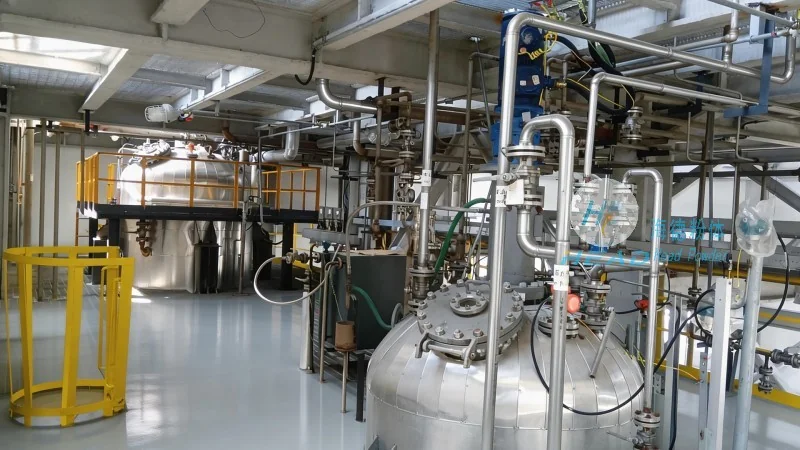
Understanding the Basics of Food Salt Powder Conveying
At its core, food salt powder conveying involves the movement of fine particles, such as table salt or industrial-grade salt, through a system of pipes, hoppers, and other equipment. The primary goal is to transfer the salt from storage silos or production areas to processing lines, packaging stations, or storage areas without compromising its purity or causing contamination. This process is essential for maintaining the flow of operations in food processing plants, where consistent and reliable material handling is paramount.
Key Design Principles for Food Salt Powder Conveying Systems
The design of a food salt powder conveying system must consider several critical factors to ensure optimal performance. First, the system must be constructed from materials that are food-grade and resistant to corrosion, as salt can be abrasive and may interact with metal components over time. Common materials include stainless steel, which is widely used in the food industry due to its durability and ease of cleaning. Additionally, the system must be designed to minimize the risk of product contamination, which is a top priority in food processing. This includes features like sealed hoppers, airtight connections, and proper ventilation to prevent the ingress of foreign particles or moisture.
Another crucial design principle is the selection of the appropriate conveying method. For food salt, both pneumatic (air-assisted) and mechanical (e.g., screw conveyors, belt conveyors) systems are commonly used. Pneumatic conveying systems are often preferred for their ability to handle fine powders and maintain a consistent flow rate, while mechanical systems are suitable for larger quantities or bulk handling. The choice of method depends on factors such as the volume of salt to be conveyed, the distance between the source and destination, and the desired speed of operation. For example, a pneumatic system might be used to transport salt from a storage silo to a packaging line over a short distance, while a screw conveyor could be employed for longer horizontal or vertical transport.
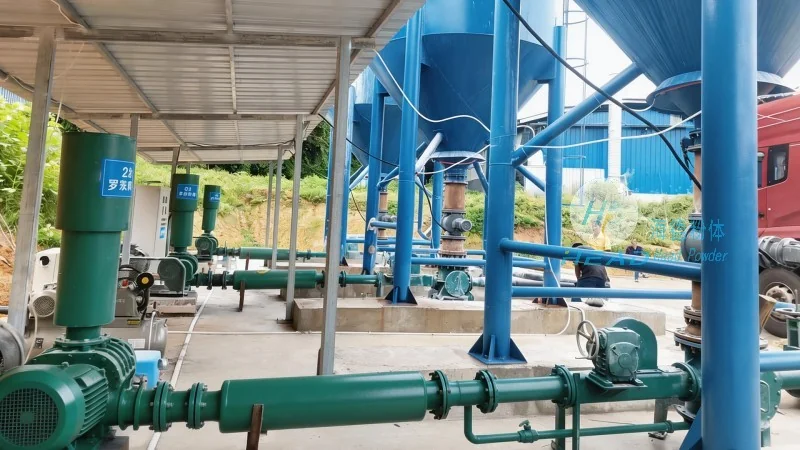
Components and Equipment in Food Salt Powder Conveying Systems
A typical food salt powder conveying system consists of several key components that work together to ensure efficient operation. The main components include a hopper or silo for storing the salt, a feeder or metering device to control the flow rate, a conveying line (either pneumatic or mechanical), and a receiver or discharge point. The hopper is usually equipped with a discharge valve or gate to regulate the amount of salt released into the system. The feeder, often a rotary valve or a vibratory feeder, ensures a consistent and controlled flow of salt into the conveying line, preventing clogging and maintaining a steady supply to downstream processes.
The conveying line itself is a critical component, as it must be able to handle the specific characteristics of food salt. For pneumatic systems, the line is typically made of stainless steel or plastic, with appropriate fittings and valves to control the air flow and pressure. The air used in pneumatic conveying is often filtered and dried to prevent moisture from affecting the salt quality. For mechanical systems, the conveyor may be a screw or belt type, with the screw being more common for fine powders due to its ability to handle low bulk densities and prevent segregation. The screw conveyor is designed with a helical blade that rotates to push the salt forward, while the belt conveyor uses a moving belt to transport the salt in a continuous flow.
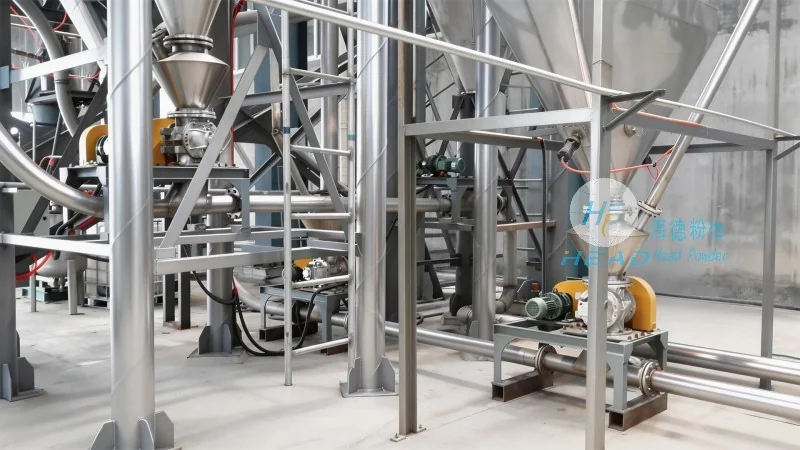
Importance of Proper Design and Maintenance
Proper design and regular maintenance are essential for the long-term performance and reliability of food salt powder conveying systems. A well-designed system minimizes the risk of product loss, equipment damage, and operational downtime. Regular maintenance, including cleaning, lubrication, and inspection of components, ensures that the system operates efficiently and meets hygiene standards. For example, the hopper and conveying line should be cleaned regularly to prevent the buildup of salt residue, which can lead to clogging or contamination. Additionally, the feeder and control valves should be checked for proper operation to maintain a consistent flow rate.
Shandong HeadPowder Engineering Co., Ltd., a leading manufacturer in the field, specializes in designing and supplying customized food salt powder conveying systems tailored to the specific needs of food processing facilities. With years of experience in the industry, the company understands the importance of meeting the stringent requirements of the food industry, including hygiene, efficiency, and compliance with regulations. Their systems are designed using advanced engineering principles and are constructed from high-quality materials to ensure durability and reliability. The company's commitment to quality and customer satisfaction has made it a trusted partner for food processing companies worldwide.
Conclusion: Ensuring Efficient and Safe Food Salt Handling
In conclusion, food salt powder conveying is a vital process in the food industry, and the design principles behind such systems are critical to ensuring efficient, safe, and reliable operation. By considering factors such as material selection, conveying method, and system components, manufacturers can develop systems that meet the specific needs of their operations. Regular maintenance and proper operation are also essential to ensure the longevity and performance of the system. Companies like Shandong HeadPowder Engineering Co., Ltd. play a crucial role in providing high-quality, customized solutions that help food processing facilities maintain their productivity and meet industry standards.