

What is a PTFE Pneumatic Conveying System Equipment? And What Are Its Design Principles?
PTFE (Polytetrafluoroethylene) pneumatic conveying systems represent a sophisticated solution for material handling in various industrial applications. Developed by Shandong HeadPowder Engineering Co., Ltd., a leading manufacturer based in China, these systems are engineered to efficiently transport bulk materials through pneumatic means, offering a reliable alternative to traditional mechanical conveying methods. This article delves into the core components, design principles, and practical applications of PTFE pneumatic conveying equipment, providing a comprehensive overview for industry professionals seeking to understand or implement such systems.
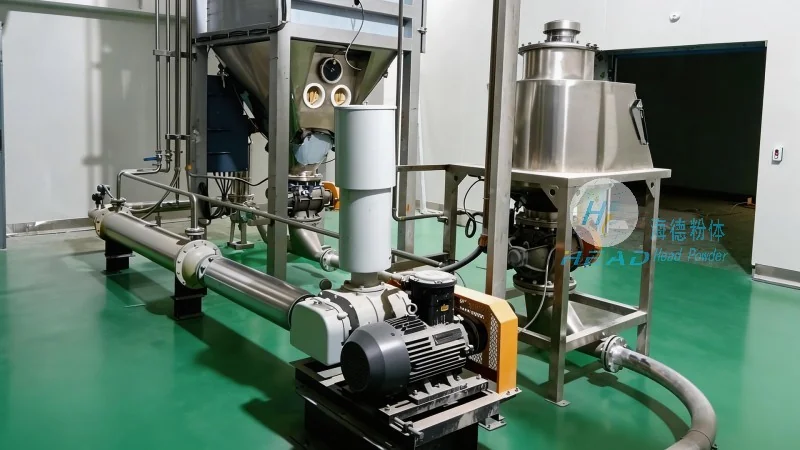
Understanding PTFE Pneumatic Conveying Equipment
At the heart of PTFE pneumatic conveying systems lies the material itself—PTFE, renowned for its exceptional chemical resistance, thermal stability, and low friction properties. These characteristics make PTFE an ideal choice for conveying a wide range of materials, including powders, granules, and fine particles, which may be sensitive to corrosion or wear from conventional metal components. The equipment typically consists of a series of interconnected components, including a hopper, a pneumatic conveying line, and a discharge unit, all designed to work in harmony to achieve seamless material transfer.
Design Principles of PTFE Pneumatic Conveying Systems
The design of PTFE pneumatic conveying systems is guided by several key principles aimed at optimizing performance, durability, and efficiency. First, the system must ensure a consistent and controlled flow of material, which is achieved through precise control of air pressure and flow rates. This is typically managed by a blower or compressor that generates the necessary air pressure to move the material through the conveying line. Second, the design prioritizes the protection of both the material and the equipment from contamination or degradation. PTFE's non-stick and inert properties prevent material buildup and chemical reactions, extending the lifespan of the system and maintaining product integrity.
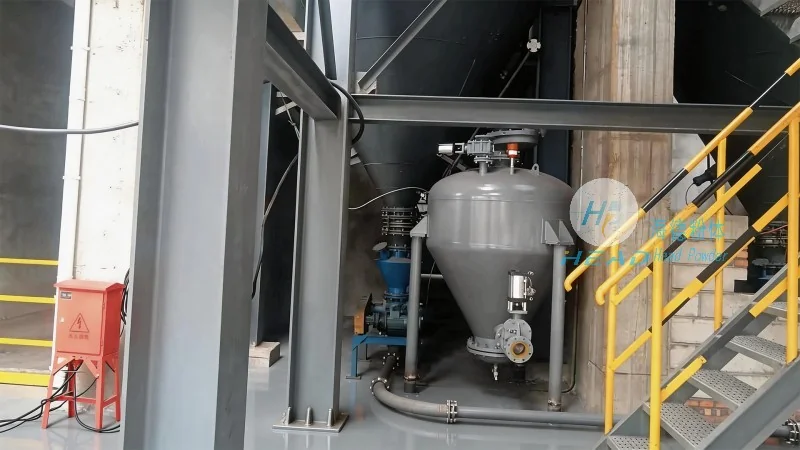
Key Components and Their Functions
Several critical components make up a PTFE pneumatic conveying system. The hopper serves as the storage and feeding unit, where material is loaded and then released into the conveying line under controlled conditions. The pneumatic conveying line, often made of PTFE-coated or PTFE-lined tubing, is the primary pathway for material transport. It is designed to withstand the pressure and temperature variations encountered during operation while minimizing friction and material loss. The discharge unit, which may include a cyclone separator or a filter, is responsible for separating the conveyed material from the air stream, allowing for clean material collection and air recycling. Each component is engineered to work in tandem, ensuring smooth and efficient material handling.
Advantages of PTFE in Pneumatic Conveying
PTFE offers numerous advantages over traditional materials like metal or plastic in pneumatic conveying applications. Its chemical inertness allows for the safe handling of corrosive or reactive materials, such as pharmaceuticals, food products, or chemicals, without risk of contamination or degradation. Additionally, PTFE's low friction coefficient reduces energy consumption and wear on components, leading to lower operational costs and longer system lifespans. The material's thermal stability enables it to operate in a wide range of temperatures, from cryogenic to high-temperature environments, making it suitable for diverse industrial processes. Furthermore, PTFE's non-stick properties prevent material adhesion, ensuring consistent flow and preventing blockages in the conveying line.
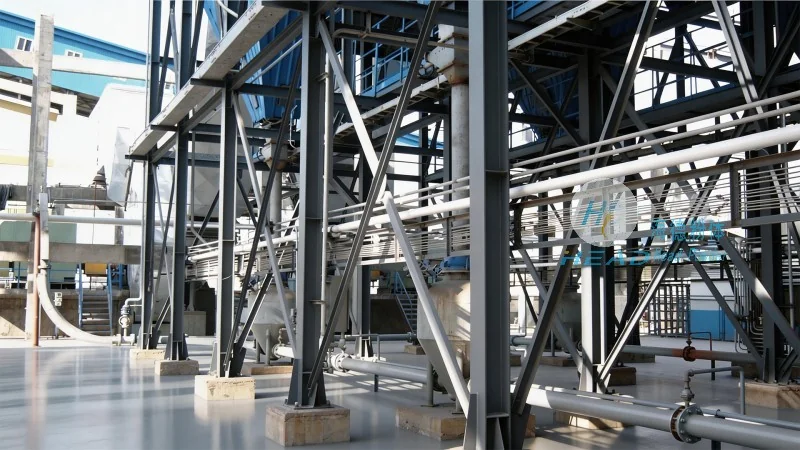
Application Scenarios and Industries
PTFE pneumatic conveying systems are widely used across various industries due to their versatility and reliability. In the pharmaceutical industry, they are employed to transport sensitive powders and granules, ensuring product purity and compliance with stringent regulatory standards. The food and beverage sector utilizes these systems for handling ingredients like flour, sugar, or spices, maintaining hygiene and preventing contamination. In the chemical industry, PTFE systems are ideal for conveying corrosive or reactive materials, protecting both the material and the equipment from damage. Other applications include the electronics industry, where fine powders are conveyed for manufacturing processes, and the mining industry, where bulk materials are transported efficiently over long distances.
Technical Specifications and Performance Metrics
Shandong HeadPowder Engineering Co., Ltd. designs PTFE pneumatic conveying systems with specific technical specifications tailored to meet the needs of different applications. Key performance metrics include the system's conveying capacity, which can range from a few kilograms per hour to several tons per hour, depending on the material and system configuration. The pressure and flow rate requirements are carefully calculated to ensure optimal material transport without excessive energy consumption. The system's efficiency is also evaluated based on its energy usage, material loss, and operational downtime. Additionally, the durability of the PTFE components is assessed through testing for wear resistance, chemical resistance, and thermal stability, ensuring long-term reliability and minimal maintenance requirements.
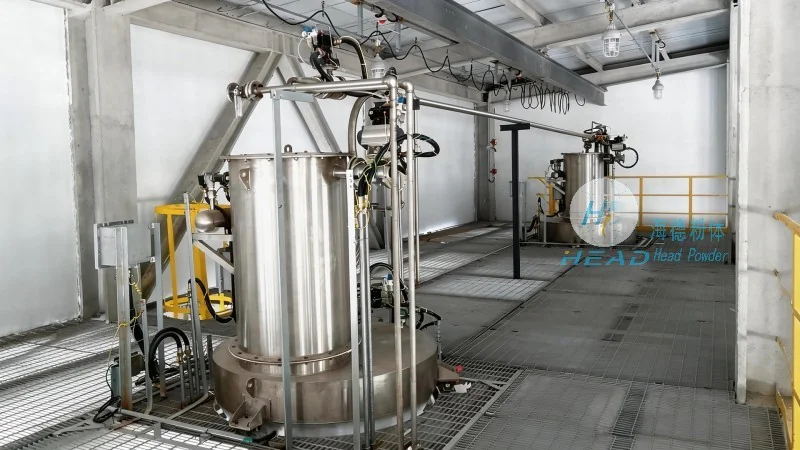
Customization and Integration Solutions
Shandong HeadPowder Engineering Co., Ltd. offers customized PTFE pneumatic conveying solutions to suit the unique requirements of each client. The company works closely with customers to understand their specific material handling challenges and design systems that address those needs. Customization options may include adjusting the size and capacity of the hopper, modifying the length and diameter of the conveying line, or integrating additional components such as cyclone separators or filters. The company also provides integration services, ensuring that the PTFE system can be seamlessly incorporated into existing production lines without disrupting operations. This approach ensures that clients receive a tailored solution that maximizes efficiency and minimizes downtime.
Maintenance and Operational Considerations
Proper maintenance is crucial to ensure the long-term performance and reliability of PTFE pneumatic conveying systems. Regular inspections of the hopper, conveying line, and discharge unit are recommended to check for signs of wear, corrosion, or material buildup. Cleaning the system after each use is essential to prevent contamination and maintain product quality. The blower or compressor should be checked regularly for proper operation and efficiency, as any issues can impact the system's performance. Additionally, monitoring air pressure and flow rates during operation helps identify potential problems early, allowing for timely maintenance and repairs. By following these operational guidelines, users can maximize the lifespan of their PTFE pneumatic conveying equipment and ensure consistent material handling performance.