

Common Dried Chili Transport Methods: Advantages and Disadvantages
When it comes to handling and transporting dried chili peppers in industrial settings, selecting the right equipment is crucial for efficiency, cost-effectiveness, and product quality. Various transport methods are available, each with its own set of advantages and disadvantages. This article provides a detailed comparison of common dried chili transport methods, helping businesses make informed decisions based on their specific operational needs.
Introduction to Dried Chili Transport
Dried chili peppers are widely used in food processing, spice manufacturing, and other industries. Efficient transport is essential to maintain product integrity, minimize damage, and ensure smooth production workflows. The choice of transport method depends on factors such as the volume of chili peppers, the distance of transport, the required speed, and the physical characteristics of the product itself. Understanding the pros and cons of each method is key to optimizing operations.
1. Screw Conveyor (Auger Conveyor)
Screw conveyors are among the most common and versatile equipment for transporting dried chili peppers. These systems consist of a rotating helical screw inside a cylindrical tube, which moves the product along the conveyor's length. The primary advantage of screw conveyors is their ability to handle a wide range of materials, including those with varying moisture content and particle sizes. They are also relatively simple in design, making them easy to install and maintain. Additionally, screw conveyors can operate in vertical or horizontal configurations, providing flexibility in plant layouts. However, their main drawback is the potential for product degradation due to friction and pressure, especially for delicate or brittle dried chilies. This can lead to breakage or loss of quality. Moreover, screw conveyors may not be suitable for very large volumes or for materials that are too abrasive, as this can cause wear and tear on the screw and tube.
2. Pneumatic Conveying System
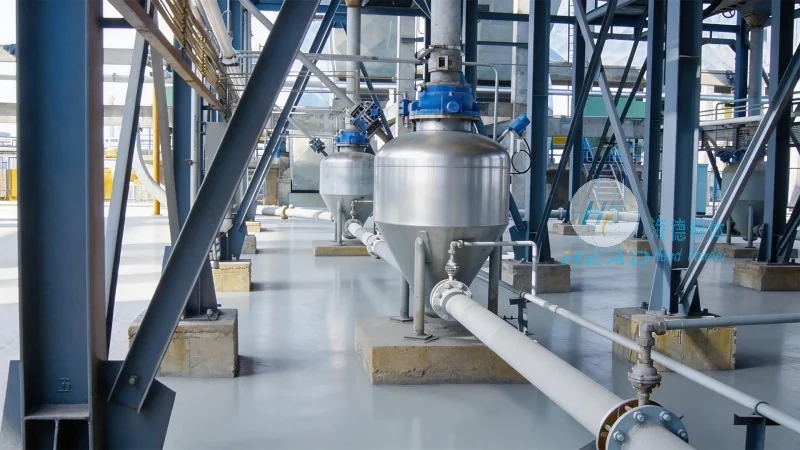
Pneumatic conveying systems use air or other gases to transport dried chili peppers through a network of pipes. This method is particularly effective for moving materials over longer distances or to different locations within a facility. One of the key advantages of pneumatic conveying is its ability to handle fine or powdery materials without the need for additional equipment. It also allows for a more hygienic and enclosed transport process, reducing the risk of contamination. Furthermore, pneumatic systems can be designed to operate in both positive and negative pressure modes, offering flexibility in application. However, the main disadvantage is the higher energy consumption compared to other methods. Pneumatic conveying requires significant air pressure, which can increase operational costs. Another drawback is the potential for product degradation due to high air velocities, which may cause abrasion or breakage of the chili peppers. Additionally, the system may be more complex to install and maintain, as it involves air compressors and filtration systems.
3. Belt Conveyor
Belt conveyors are another popular choice for transporting dried chili peppers, especially in applications requiring high volume and continuous movement. These systems consist of a continuous belt that moves over rollers or pulleys, carrying the product along the conveyor's path. The primary advantage of belt conveyors is their high capacity and ability to transport large quantities of material efficiently. They are also relatively simple to operate and maintain, with minimal moving parts. Belt conveyors can be easily integrated into existing production lines and can handle a wide range of product sizes and shapes. However, their main drawback is the limited ability to handle vertical transport, as the belt may sag or require additional support structures. This can increase the overall footprint of the system. Additionally, belt conveyors may not be suitable for very delicate or sticky materials, as the belt can cause friction and damage. The system also requires regular cleaning and maintenance to prevent product buildup and ensure smooth operation.
4. Bucket Elevator
Bucket elevators are specialized equipment designed for vertical transport of dried chili peppers. These systems use a series of buckets attached to a chain or belt that moves vertically, lifting the product from a lower to a higher level. The primary advantage of bucket elevators is their high efficiency in vertical transport, allowing for significant height gains with minimal space requirements. They are also capable of handling large volumes of material and can operate continuously without interruption. Bucket elevators are particularly useful in facilities where vertical space is limited or where the product needs to be elevated to different processing stages. However, their main drawback is the higher cost compared to other vertical transport methods. The system is more complex and requires more maintenance, as it involves moving parts that are subject to wear and tear. Additionally, bucket elevators may not be suitable for very delicate or brittle materials, as the buckets can cause impact and breakage during the lifting process. The system also requires careful alignment and tensioning to ensure smooth operation and prevent product spillage.
5. Vibrating Conveyor
Vibrating conveyors use vibrations to move dried chili peppers along a trough or conveyor bed. These systems consist of a conveyor surface that is vibrated at a specific frequency and amplitude, causing the product to move forward. The primary advantage of vibrating conveyors is their ability to handle sticky or cohesive materials without the need for additional lubrication or separation. They are also relatively low maintenance, as they have few moving parts and no need for lubrication. Vibrating conveyors can operate in both horizontal and inclined configurations, making them versatile for various applications. However, their main drawback is the lower transport speed compared to other methods. The vibration mechanism limits the speed at which the product can be moved, which may affect overall production throughput. Additionally, the system may not be suitable for very large or heavy items, as the vibration can cause instability and product spillage. The trough design also requires regular cleaning to prevent product buildup and ensure consistent performance.
Conclusion and Recommendations
Choosing the right dried chili transport method depends on a variety of factors, including the specific requirements of the operation, the characteristics of the product, and the available budget. Each method has its own strengths and weaknesses, and the optimal choice will vary from one business to another. For example, screw conveyors may be ideal for small to medium volumes and simple layouts, while pneumatic systems are better suited for longer distances or more hygienic environments. Belt conveyors are suitable for high-volume horizontal transport, and bucket elevators are perfect for vertical lifting in space-constrained facilities. Vibrating conveyors offer a low-maintenance option for sticky or cohesive materials.
When selecting a transport system, it is essential to consider not only the immediate operational needs but also the long-term maintenance and cost implications. Investing in the right equipment can lead to improved efficiency, reduced product loss, and lower operational costs over time. Businesses should also consult with equipment manufacturers, such as Shandong HeadPowder Engineering Co., Ltd., to ensure that the chosen system meets their specific requirements and is installed and maintained properly.