

What is Intermittent Feeding Powder Material Handling? And What Are Its Design Principles?
HeadPowder, a leading provider of powder handling solutions, specializes in advanced systems for efficient material transport. Based in Shandong, China, the company offers innovative technologies tailored to meet the demands of various industrial applications. This article explores the concept of intermittent feeding powder material handling and delves into its core design principles, providing a comprehensive understanding of this critical process in material handling.
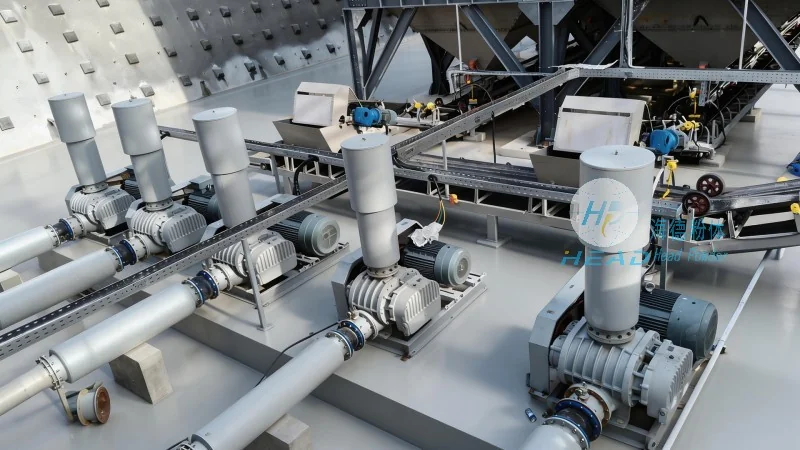
What is Intermittent Feeding Powder Material Handling?
Intermittent feeding powder material handling refers to a method of transporting bulk powders in discrete, controlled batches rather than a continuous flow. Unlike continuous systems that maintain a constant stream of material, intermittent feeding systems pause and restart the transport process at regular intervals. This approach is particularly useful in applications where precise control over the quantity of material being moved is essential, such as in pharmaceutical manufacturing, food processing, and chemical production. The primary goal of intermittent feeding is to ensure accurate dosing, minimize material loss, and enhance process safety by preventing overloading or underloading of downstream equipment.
Key Design Principles of Intermittent Feeding Systems
The design of intermittent feeding powder material handling systems is governed by several critical principles that ensure optimal performance and reliability. These principles include:
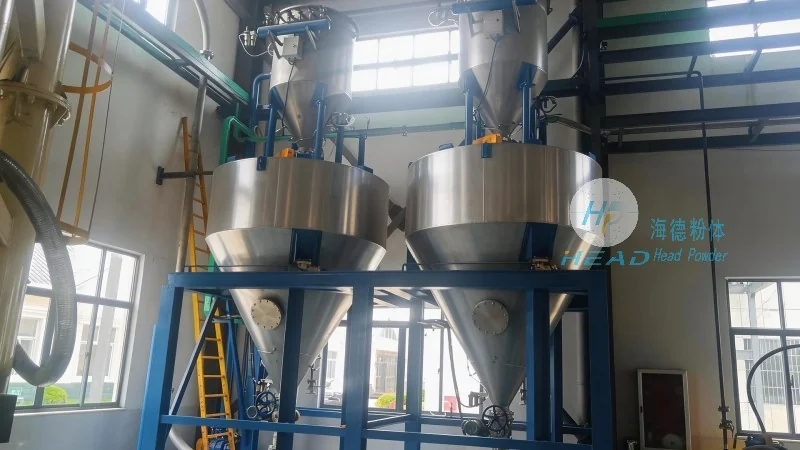
1. Controlled Volume and Flow Rate
One of the fundamental design principles is the ability to control the volume of material transported per cycle. This is achieved through the use of specialized components like feed hoppers, rotary valves, and pneumatic actuators. The system must be capable of delivering a consistent, repeatable volume of powder to maintain process stability. For instance, in pharmaceutical applications, precise dosing is crucial to ensure the correct dosage of active ingredients in final products. The design must account for factors such as powder density, flowability, and moisture content to achieve accurate volume control.
2. Synchronization with Downstream Equipment
Intermittent feeding systems are often integrated with downstream processing equipment, such as mixers, reactors, or packaging machines. The design must ensure that the feeding cycle is synchronized with the operational cycles of these equipment to avoid bottlenecks or overloading. This synchronization is typically achieved through the use of control systems that monitor the status of downstream equipment and adjust the feeding rate accordingly. For example, in a food processing plant, the intermittent feeder may be programmed to deliver a specific amount of powder to a mixer only when the mixer is ready to receive the material, preventing idle time or material waste.
3. Material Handling and Flow Control
Effective flow control is essential to prevent issues like bridging, arching, or segregation of the powder. The design incorporates features such as hopper design, agitators, and vibration systems to maintain consistent flow. The hopper geometry, for instance, is carefully engineered to promote uniform material distribution and prevent localized compaction. In addition, the use of rotary valves or slide gates allows for precise control over the opening and closing of the material discharge path, ensuring that only the desired amount of powder is released at each cycle.

4. Safety and Reliability
Intermittent feeding systems are designed with safety and reliability as top priorities. This includes features like overload protection, dust containment, and emergency stop mechanisms. The system must be able to handle a wide range of powder characteristics, from free-flowing to cohesive materials, without compromising performance. Regular maintenance and monitoring are also integral to ensuring long-term reliability. For instance, in chemical processing, the system must be able to handle hazardous materials safely, with proper sealing and ventilation to prevent exposure to workers.
Applications and Benefits
Intermittent feeding powder material handling systems are widely used across various industries due to their versatility and efficiency. The benefits of these systems include improved process control, reduced material waste, enhanced safety, and increased productivity. In pharmaceutical manufacturing, they help maintain strict quality standards by ensuring accurate dosing and preventing contamination. In food processing, they contribute to consistent product quality and compliance with regulatory requirements. In chemical production, they enable precise control over reaction conditions by delivering the exact amount of reactants needed. Overall, the design principles of intermittent feeding systems make them a critical component in modern industrial operations, enabling efficient and reliable material transport.