

Automatic Waste Material Feeding Powder Conveying: What It Is and Its Design Principles
Automatic waste material feeding powder conveying systems represent a sophisticated approach to handling bulk materials, particularly in waste management and industrial processing. These systems are engineered to automatically feed and transport powders or granular materials from a storage hopper or container to processing equipment, such as mixers, reactors, or packaging machines. The core function is to ensure a continuous, controlled flow of material, minimizing manual intervention and enhancing operational efficiency.
Understanding the Core Function of Automatic Waste Material Feeding
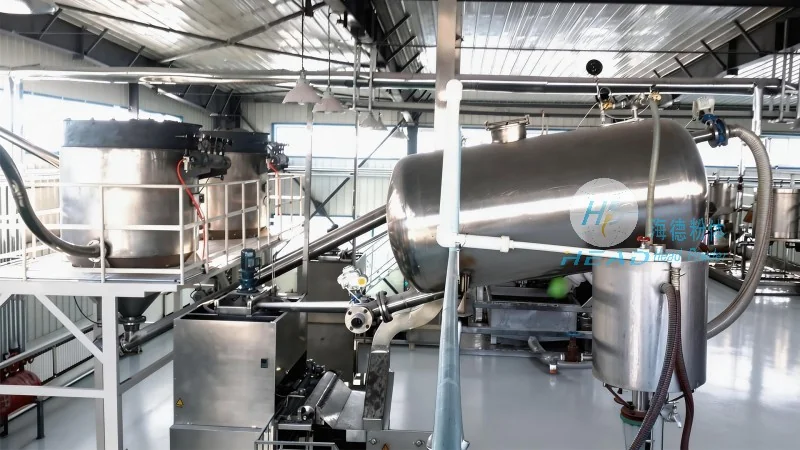
The primary purpose of an automatic waste material feeding powder conveying system is to facilitate the seamless transfer of bulk materials, often in high volumes, from a storage point to a processing unit. This is crucial in industries dealing with waste materials, where consistent material supply is essential for maintaining production rates and preventing downtime. The system typically includes components like a hopper, a feeding mechanism (such as a screw feeder, vibratory feeder, or rotary valve), and a conveyor system that transports the material to the next stage of processing. By automating this process, businesses can achieve greater control over material flow, reduce labor costs, and improve overall productivity.
Key Design Principles Behind Automatic Waste Material Feeding Systems
The design of an automatic waste material feeding powder conveying system is guided by several critical principles aimed at optimizing performance, reliability, and safety. First, the system must ensure a consistent and uniform flow of material. This is achieved through the use of specialized feeding devices that can handle varying material properties, such as moisture content, particle size, and bulk density. For example, a screw feeder is often used for materials with moderate flowability, while a vibratory feeder may be preferred for cohesive or sticky powders. The design also emphasizes the ability to adjust feed rates dynamically, allowing operators to match the material flow to the processing requirements of downstream equipment.
Second, the system is built with durability and longevity in mind. Since these systems often operate in harsh environments, particularly in waste management applications where materials may be contaminated or abrasive, the components are constructed from corrosion-resistant materials like stainless steel or high-grade alloys. This ensures that the system can withstand continuous use without frequent maintenance or replacement. Additionally, the design incorporates safety features, such as overload protection and emergency stop mechanisms, to prevent accidents and protect both personnel and equipment.
Components and Their Roles in the System
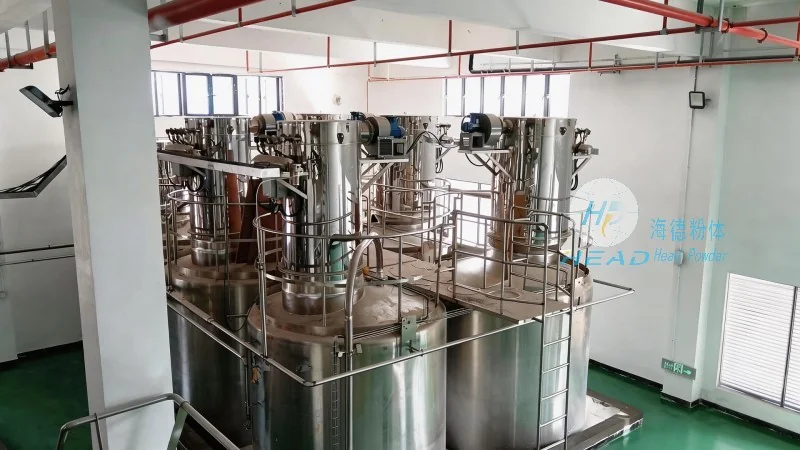
An automatic waste material feeding powder conveying system consists of several interconnected components, each playing a vital role in the overall operation. The storage hopper or silo is the primary container for the bulk material, providing a stable and controlled environment for storage. It is typically designed with a sloped bottom to facilitate material flow and may include a level indicator to monitor the material level. The feeding mechanism, which could be a screw conveyor, vibratory feeder, or rotary valve, is responsible for extracting the material from the hopper and delivering it to the conveyor. The screw feeder, for instance, uses rotating screws to push material forward, while a vibratory feeder uses vibrations to move material along a trough. The conveyor system, often a belt or pneumatic conveyor, then transports the material to the processing equipment. Each component is carefully selected and integrated to ensure smooth operation and minimal material degradation.
Applications in Waste Management and Industrial Processing
Automatic waste material feeding powder conveying systems find extensive applications in various industries, particularly in waste management and industrial processing. In waste management, these systems are used to handle municipal solid waste, recyclable materials, or hazardous waste, ensuring that materials are efficiently transferred to sorting, processing, or disposal facilities. The ability to handle large volumes of material with minimal human intervention makes these systems ideal for municipal waste processing plants, where consistency and speed are critical. In industrial processing, the systems are used in pharmaceutical, food, and chemical industries to transport raw materials to production lines, ensuring that the processing equipment receives a steady supply of material. For example, in the pharmaceutical industry, these systems are used to feed powders into mixing or granulation equipment, where consistent material flow is essential for maintaining product quality and batch consistency.
Advantages of Implementing Automatic Waste Material Feeding Systems
Adopting an automatic waste material feeding powder conveying system offers numerous advantages for businesses operating in bulk material handling. One of the most significant benefits is increased operational efficiency. By automating the material feeding process, businesses can reduce labor costs and minimize the risk of human error, which can lead to production delays or material inconsistencies. The system also allows for precise control over feed rates, ensuring that the processing equipment receives the exact amount of material needed, preventing overfeeding or underfeeding. This precision is crucial for maintaining product quality and optimizing production output.
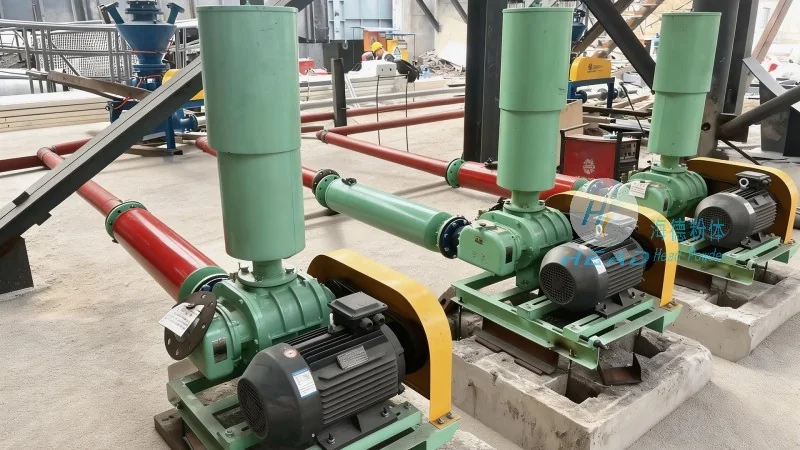
Another advantage is improved safety and reliability. The automated system reduces the need for manual handling of bulk materials, which can be hazardous, especially when dealing with heavy or abrasive materials. The system also includes safety features that prevent overloading or mechanical failures, reducing the risk of accidents and equipment damage. Additionally, the durability of the components, designed to withstand harsh conditions, ensures that the system operates reliably over long periods, minimizing downtime and maintenance costs.
Customization and Integration with Existing Systems
Automatic waste material feeding powder conveying systems are highly customizable to meet the specific needs of different applications. Companies can choose from various feeding mechanisms and conveyor types based on the material properties and processing requirements. For example, a screw feeder may be preferred for materials with good flowability, while a vibratory feeder is better suited for cohesive powders. The system can also be integrated with existing processing equipment, such as mixers or reactors, to create a seamless production line. This integration allows for better control over the entire production process, from material storage to final product output. Customization also includes the ability to adjust the system's capacity and speed to match the production volume, ensuring that the system can scale with the business's growth.
Conclusion: The Role of Shandong HeadPowder Engineering Co., Ltd. in Providing Solutions
For businesses seeking reliable and efficient automatic waste material feeding powder conveying systems, Shandong HeadPowder Engineering Co., Ltd. offers comprehensive solutions tailored to their specific needs. With a focus on quality and innovation, the company designs and manufactures systems that adhere to the latest industry standards and incorporate advanced technology to enhance performance. The company's expertise in bulk material handling and waste management ensures that their systems are built to withstand the demands of industrial applications, providing long-term reliability and operational efficiency. By partnering with Shandong HeadPowder Engineering Co., Ltd., businesses can enhance their material handling processes, reduce costs, and improve overall productivity, ultimately contributing to their success in the competitive market.