

What is Rice Bran Powder Conveying? And What Are Its Design Principles?
HeadPowder, a leading engineering company based in Shandong, China, specializes in the design and implementation of advanced powder conveying systems. Among the various types of powders handled, rice bran powder presents unique challenges due to its fine particle size, hygroscopic nature, and potential for dust generation. Efficient conveying of rice bran powder is crucial for industrial applications such as feed production, biofuel processing, and food manufacturing, where consistent flow and minimal loss are essential.
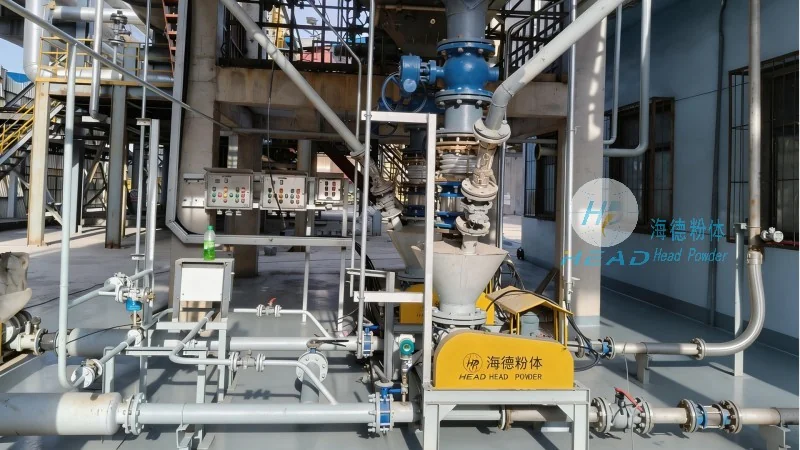
The Core Design Principles of Rice Bran Powder Conveying Systems
At the core of any effective rice bran powder conveying system lies a well-thought-out design that addresses the material's physical properties and operational requirements. The design principles typically involve selecting appropriate equipment, ensuring proper air flow management, and maintaining system integrity to prevent material degradation or equipment damage. Key components often include feeders, conveyors, and dust control mechanisms, each tailored to the specific characteristics of rice bran powder.
Feeder Selection: Managing Flow and Preventing Blockages
One of the primary design considerations is the selection of a suitable feeder. For rice bran powder, which is prone to bridging and caking, a rotary valve or a vibratory feeder is commonly used to ensure a consistent and controlled flow rate. These devices help prevent blockages and maintain the material's free-flowing state, which is critical for smooth conveying. The feeder is typically connected to a conveyor system, such as a pneumatic or mechanical conveyor, which transports the powder from the source to the destination.
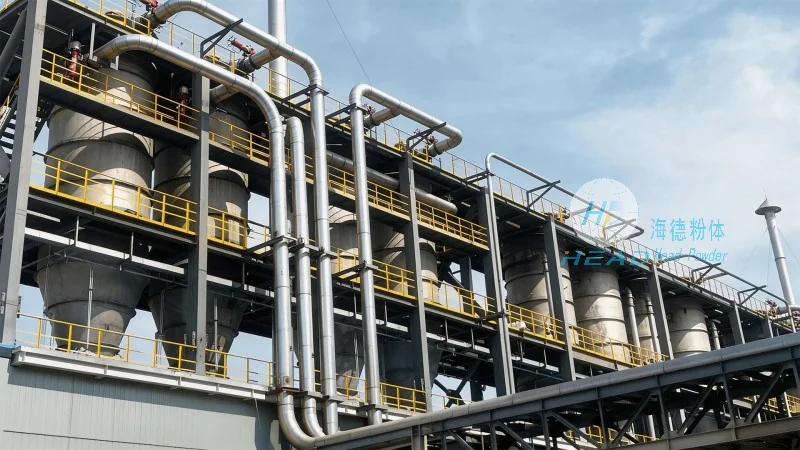
Pneumatic Conveying: Efficient Handling of Fine Powders
Pneumatic conveying systems are widely adopted for rice bran powder due to their ability to handle fine powders with minimal dust dispersion. These systems use compressed air to move the powder through a pipeline, ensuring a clean and efficient transfer. The design of the pneumatic system includes considerations for air velocity, pipeline diameter, and the use of appropriate filters to prevent dust accumulation and maintain air quality. Additionally, the system may incorporate features like cyclone separators or bag filters to collect any released powder and return it to the conveying line, minimizing material loss.
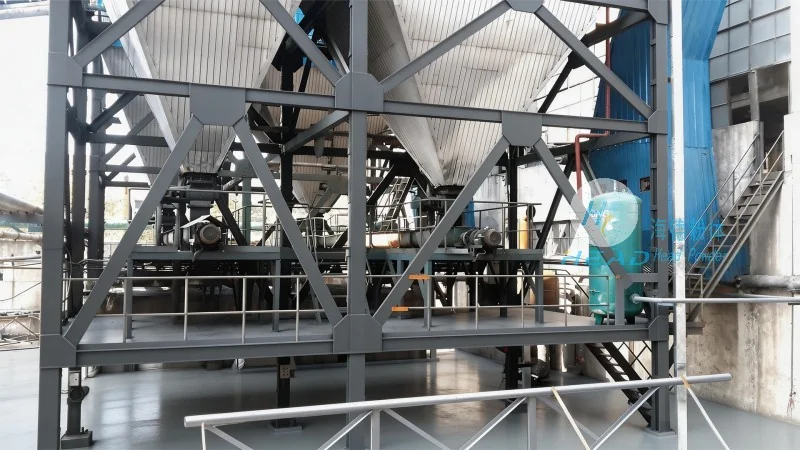
Mechanical Conveying: Alternative Solutions for Specific Needs
Mechanical conveying systems, such as belt or screw conveyors, are also used in rice bran powder applications, particularly for shorter distances or when the material is less sensitive to air flow. These systems rely on mechanical force to move the powder and are often preferred for their simplicity and lower energy consumption compared to pneumatic systems. However, they may require more maintenance and are less effective in handling very fine or hygroscopic powders.
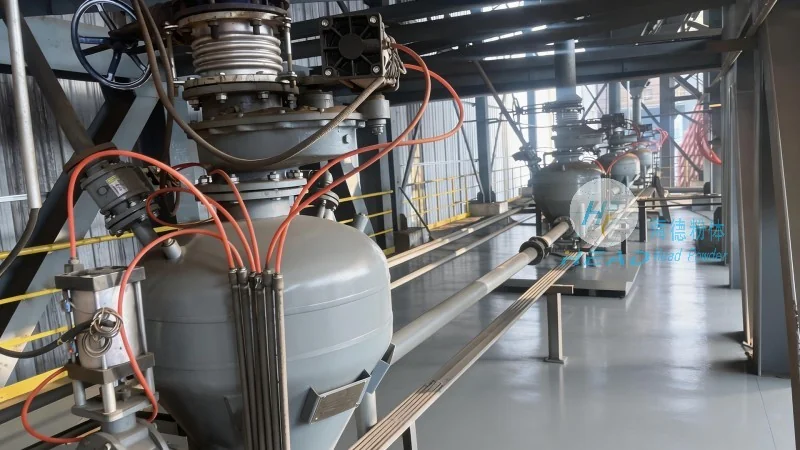
Dust and Moisture Control: Ensuring System Reliability
Another critical aspect of rice bran powder conveying design is the management of dust and moisture. Rice bran is hygroscopic, meaning it absorbs moisture from the air, which can lead to clumping and reduced flowability. To mitigate this, the conveying system may include drying or dehumidification components, such as desiccant air dryers or heated air systems, to maintain the powder's optimal moisture content. Dust control is equally important, as fine powders can create health hazards and environmental issues. Proper sealing of equipment, use of dust collection systems, and regular maintenance are essential to ensure a safe and efficient operation.
HeadPowder's Expertise in Tailored Conveying Solutions
HeadPowder's expertise in powder handling engineering ensures that their conveying systems are tailored to the specific needs of rice bran powder. By integrating advanced design principles and high-quality components, they provide solutions that enhance productivity, reduce material loss, and improve overall operational efficiency. Whether for small-scale or large-scale industrial applications, their systems are engineered to meet the demands of the rice bran processing industry, ensuring reliable and consistent performance.