

[COPYRIGHT]Comparison of Common Polypropylene Conveying Methods: Advantages and Disadvantages
When it comes to handling polypropylene (PP) materials in industrial settings, selecting the right conveying method is crucial for efficiency, cost-effectiveness, and operational safety. Polypropylene is a widely used thermoplastic known for its lightweight, chemical resistance, and versatility in various applications. However, its unique properties, such as low friction and tendency to cling to surfaces, can make material handling challenging. This article provides a detailed comparison of common polypropylene conveying methods, highlighting their advantages and disadvantages to help industrial operators make informed decisions.
1. Screw Conveyors for Polypropylene
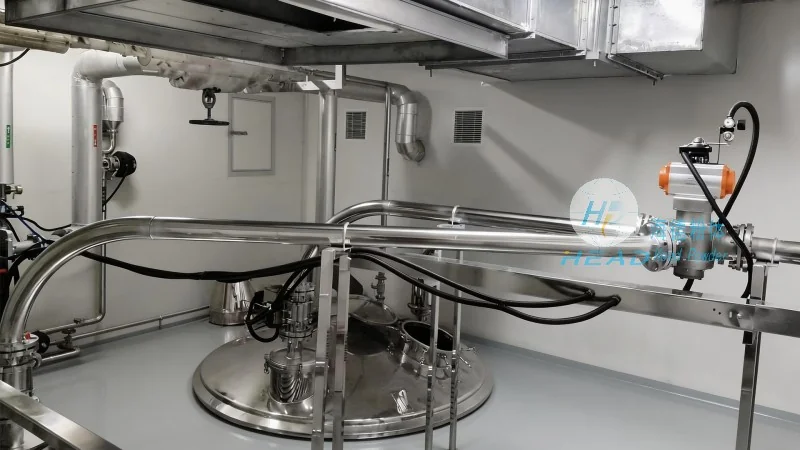
Screw conveyors, also known as auger conveyors, are among the most common and versatile equipment for transporting polypropylene. These systems use a rotating helical screw to move material along a tube or trough. For polypropylene, screw conveyors offer several advantages. They are capable of handling a wide range of particle sizes and can operate in both horizontal and inclined configurations. The enclosed design of screw conveyors helps prevent material spillage and contamination, which is particularly important for polypropylene due to its hygienic requirements in food and pharmaceutical industries. Additionally, screw conveyors are relatively low-maintenance and can be easily integrated into existing production lines.
However, screw conveyors also have limitations when used with polypropylene. The primary disadvantage is the risk of material bridging or clogging, especially with fine or powdery polypropylene. This can lead to increased energy consumption and potential equipment damage if not properly managed. Another drawback is the limited ability to handle very high volumes of material compared to other methods, as the screw speed and diameter may restrict throughput. Furthermore, the wear on the screw and trough can be accelerated by abrasive polypropylene particles, requiring more frequent maintenance and replacement of components.
2. Pneumatic Conveying Systems
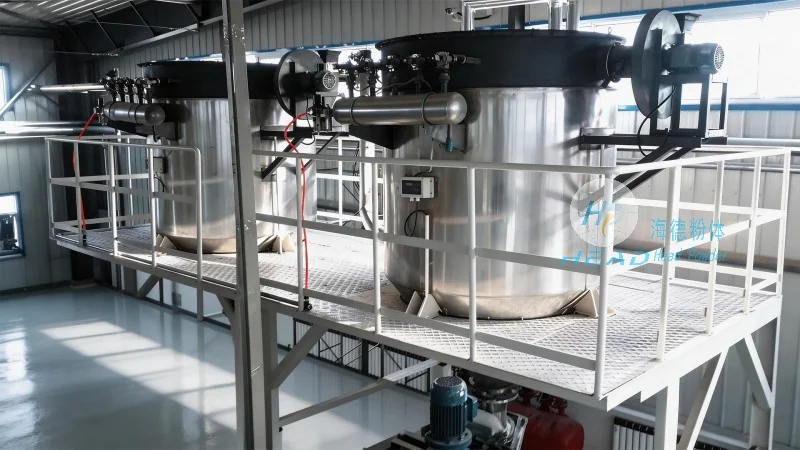
Pneumatic conveying systems use air or other gases to transport polypropylene particles through a pipeline. These systems are particularly suitable for applications requiring dust-free and enclosed material handling, such as in food processing or pharmaceutical manufacturing. One of the key advantages of pneumatic conveying is its ability to handle fine powders and granules without the need for mechanical contact, reducing the risk of contamination and material degradation. The enclosed pipeline design also minimizes dust emissions, improving workplace safety and environmental compliance.
Despite these benefits, pneumatic conveying has significant drawbacks for polypropylene. The most notable disadvantage is the high energy consumption associated with moving material through the system. Pneumatic systems require powerful air compressors and often operate at high pressures, leading to increased operational costs. Another limitation is the potential for material degradation due to friction and impact within the pipeline, especially for heat-sensitive polypropylene. Additionally, the system can be prone to blockages if the polypropylene particles are too fine or if the air flow is insufficient, requiring regular cleaning and maintenance to prevent system downtime.
3. Belt Conveyors
Belt conveyors are another widely used method for transporting polypropylene, particularly in bulk handling applications. These systems consist of a continuous belt that moves over rollers or a flat surface, carrying the material from one point to another. Belt conveyors are known for their high capacity and ability to handle large volumes of material efficiently. They are also relatively simple to install and maintain, making them a cost-effective solution for many industrial operations.
However, belt conveyors present challenges when used with polypropylene. The main disadvantage is the risk of material slipping or sliding on the belt, especially with fine or powdery polypropylene. This can lead to uneven material distribution and increased wear on the belt and idlers. Another issue is the potential for material buildup on the belt surface, which can cause blockages and reduce the conveyor's efficiency. Furthermore, belt conveyors may not be suitable for applications requiring precise control over material flow, as the belt's speed and tension can affect the material's movement.
4. Bucket Elevators
Bucket elevators are vertical or inclined conveyors that use a series of buckets attached to a chain or belt to lift and transport polypropylene material. These systems are ideal for applications where vertical transport is required, such as in silos or storage facilities. Bucket elevators offer high vertical lifting capabilities and can handle a wide range of material sizes and densities.
Nevertheless, bucket elevators have several disadvantages when used with polypropylene. The primary drawback is the risk of material clogging or jamming in the buckets, especially with fine or cohesive polypropylene particles. This can lead to increased maintenance and potential equipment failure if not properly managed. Another limitation is the higher initial cost compared to other conveying methods, as bucket elevators require more complex mechanical components and installation. Additionally, the system may be less efficient for horizontal transport compared to other methods, as the vertical lifting and horizontal movement can be less energy-efficient.
5. Vibrating Conveyors
Vibrating conveyors use vibration to move polypropylene material along a trough or tube. These systems are particularly effective for handling fine powders and granules that are prone to bridging or clogging in traditional conveyors. The vibration helps break up material clumps and ensures smooth material flow, reducing the risk of blockages.
However, vibrating conveyors also have limitations. The main disadvantage is the higher energy consumption compared to other methods, as the vibration mechanism requires additional power. Another issue is the potential for material degradation due to the repetitive vibration and impact on the material. Furthermore, the system may not be suitable for very large or heavy polypropylene particles, as the vibration force may not be sufficient to move them effectively. Additionally, the maintenance of the vibration mechanism can be more complex, requiring regular inspection and adjustment of the vibration frequency and amplitude.