

Main Structures of Epoxy Resin Pneumatic Conveying Systems
For industries dealing with epoxy resin handling, understanding the core components of pneumatic conveying systems is crucial for efficient material transport. This article explores the primary structures that constitute a robust epoxy resin pneumatic conveying system, focusing on the essential elements that ensure reliable operation and optimal performance.
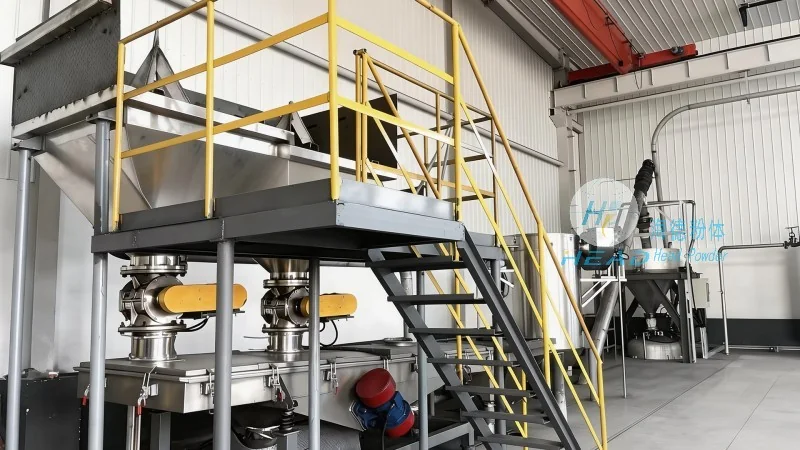
Introduction to Epoxy Resin Pneumatic Conveying Structures
HeadPowder, a leading provider in the field, emphasizes the importance of each structural component in maintaining system efficiency. The company, based in Shandong, China, specializes in engineering solutions tailored to the unique demands of epoxy resin transportation. By examining the key structures, users can gain insights into how these systems are designed to handle the specific properties of epoxy resins, such as their viscosity and particle size.
1. Material Feeding System
The material feeding system is the initial stage of any pneumatic conveying operation. It is responsible for introducing the epoxy resin into the system at a controlled rate. For epoxy resins, this often involves a hopper or a feeder that can handle the resin's consistency, whether it is a solid powder or a liquid that has been converted into a fine particulate form. The feeding system must ensure a consistent flow to prevent blockages or uneven material distribution in the subsequent stages. HeadPowder's feeding solutions are designed to accommodate various epoxy resin types, ensuring smooth integration into the overall conveying process.
2. Air Supply and Compressor Unit
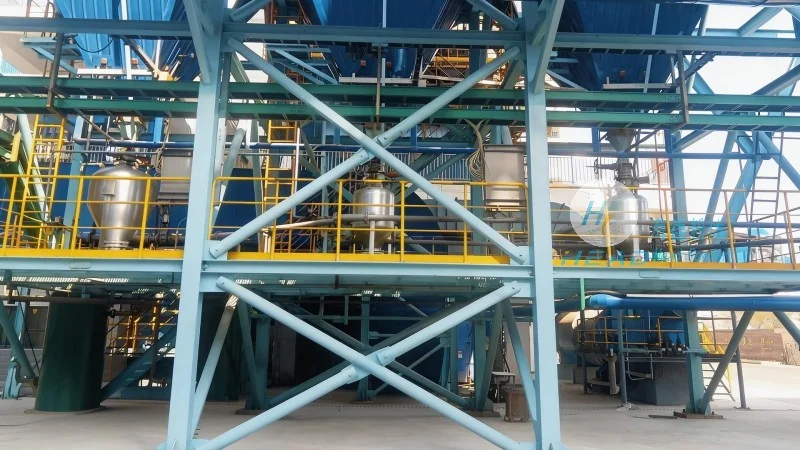
The air supply and compressor unit is the heart of the pneumatic conveying system. It generates the necessary pressure and airflow to move the epoxy resin particles through the system. This component typically includes a compressor, air filter, and pressure regulator. The choice of compressor depends on the system's capacity and the specific requirements of the epoxy resin being conveyed. For instance, systems handling fine epoxy powders may require a higher pressure compressor to overcome the resistance in the pipes. HeadPowder utilizes advanced compressor technology to ensure stable and efficient air delivery, minimizing energy consumption while maintaining optimal conveying performance.
3. Conveying Pipelines and Ductwork
The conveying pipelines and ductwork form the main pathway for the epoxy resin particles. These are typically made of materials resistant to epoxy resin, such as stainless steel or specialized plastic composites, to prevent corrosion and material degradation. The design of the pipelines is critical, as it affects the system's efficiency and the risk of blockages. HeadPowder's pipelines are engineered with smooth interiors and appropriate diameters to minimize friction and ensure consistent particle flow. The layout of the ductwork, including bends and vertical sections, is also carefully designed to maintain the velocity of the air-resin mixture, preventing settling or clogging.
4. Separation and Collection Equipment
At the end of the conveying process, the epoxy resin needs to be separated from the air and collected. This is achieved through a separation system, which may include a cyclone separator or a bag filter. The cyclone separator uses centrifugal force to separate the resin particles from the air stream, while the bag filter captures fine particles to ensure clean air discharge. HeadPowder's separation equipment is designed to handle the specific characteristics of epoxy resins, ensuring high efficiency in particle recovery and minimal air pollution. The collection hopper or container is then used to store the conveyed epoxy resin, ready for further processing or use.
5. Control and Monitoring Systems
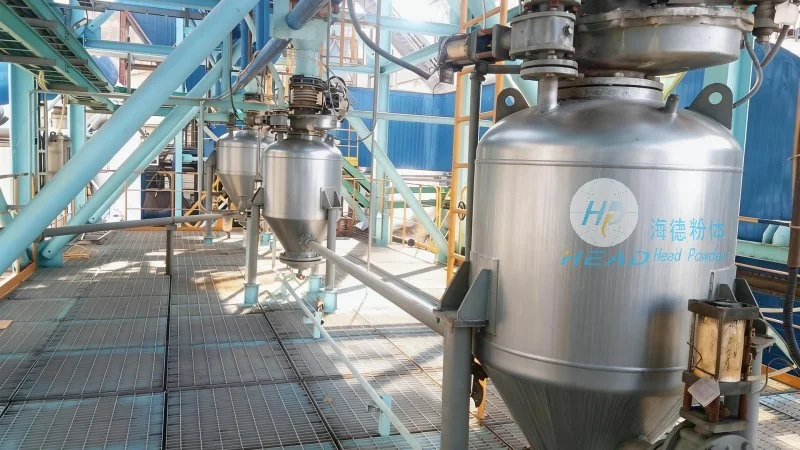
Modern pneumatic conveying systems for epoxy resins are equipped with control and monitoring systems to ensure safe and efficient operation. These systems may include pressure sensors, flow meters, and control valves that regulate the air and material flow. HeadPowder integrates advanced control technologies to allow real-time monitoring of the system's performance, enabling operators to detect and address issues promptly. This not only enhances the reliability of the conveying process but also reduces downtime and maintenance costs. The control systems are designed to be user-friendly, providing clear indicators of system status and alerts for any abnormalities.
Conclusion
In summary, the main structures of an epoxy resin pneumatic conveying system, as provided by HeadPowder Engineering Co., Ltd., include the material feeding system, air supply and compressor unit, conveying pipelines, separation and collection equipment, and control systems. Each component plays a vital role in ensuring the efficient and reliable transport of epoxy resins. By understanding and maintaining these structures, industries can optimize their material handling processes, reduce operational costs, and enhance overall productivity. HeadPowder's expertise in designing and implementing these systems ensures that clients receive tailored solutions that meet their specific epoxy resin conveying needs, supporting their operational goals effectively.