

Main Structures of Pneumatic Conveying Systems for Graphite Electrodes
When it comes to the efficient and reliable transportation of graphite electrodes, understanding the core structures of pneumatic conveying systems is crucial. These systems are designed to handle the unique properties of graphite electrodes, ensuring safe and effective movement from storage to processing areas. The key components and structures form the backbone of such systems, each playing a vital role in optimizing performance and minimizing operational risks.
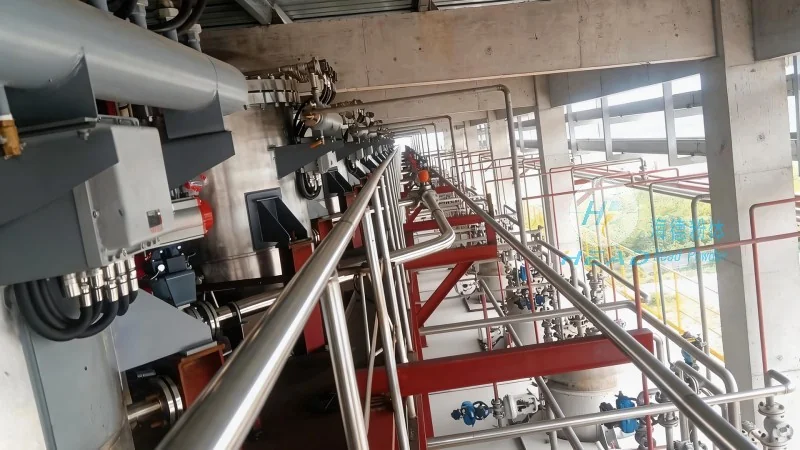
Key Structural Components of Pneumatic Conveying Systems for Graphite Electrodes
At the heart of any pneumatic conveying system for graphite electrodes lies a series of interconnected components that work in harmony to achieve seamless material transfer. The primary structures include the hopper, which serves as the initial storage and feeding point, equipped with a feeder to regulate the flow of graphite electrodes. The feeder is critical as it controls the discharge rate, preventing overloading or underloading of the conveying line. This component is often designed with adjustable valves or gates to maintain consistent material flow, which is essential for stable system operation.
Following the hopper and feeder is the conveying line itself, typically made of robust materials like stainless steel or special alloys to withstand the abrasive nature of graphite electrodes. The line may feature different sections, such as vertical and horizontal runs, with bends and elbows strategically placed to guide the material through the system. The design of these bends is crucial to minimize particle attrition and maintain the integrity of the graphite electrodes, as excessive wear can lead to product degradation and increased maintenance costs.
The Role of Air Supply and Control Systems
A critical structural element in pneumatic conveying systems is the air supply and control system. This component generates the necessary air pressure or vacuum to move the graphite electrodes through the conveying line. The system typically includes a blower or compressor, which provides the force needed to propel the material. Additionally, air filters and moisture separators are integrated to ensure the air quality is suitable for the process, preventing contamination of the graphite electrodes and protecting the system components from corrosion.
The control system, often equipped with sensors and variable frequency drives (VFDs), monitors and adjusts the air flow and pressure in real-time. This dynamic control allows for adaptive operation, responding to changes in material feed rate or system pressure. By maintaining optimal air conditions, the system ensures efficient material transport while reducing energy consumption and wear on components.
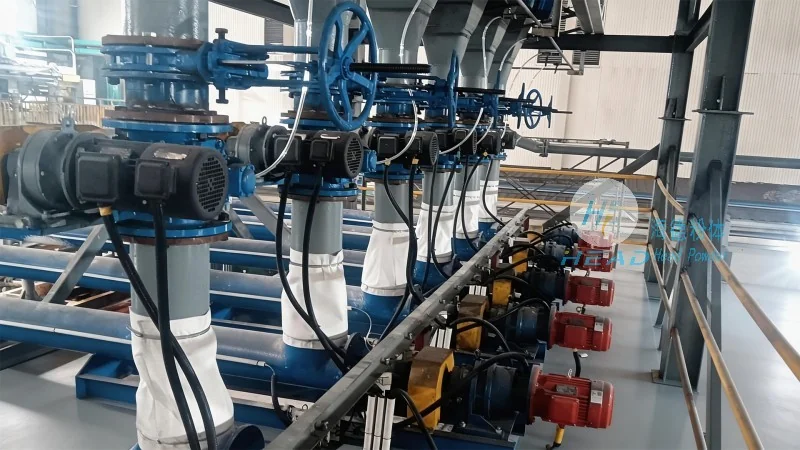
Receiving and Discharge Structures
The final stage of the pneumatic conveying system involves the receiving and discharge structures. These components are designed to safely deliver the graphite electrodes to their destination, whether it's a processing machine or a storage silo. The receiving hopper or silo is equipped with a discharge valve or gate, allowing controlled release of the material. Some systems may include a dust collection system to capture any airborne particles, ensuring environmental compliance and product purity.
The discharge mechanism is often tailored to the specific application, such as a screw conveyor or a rotary valve, which can handle the bulk flow of graphite electrodes without causing blockages or spillage. Proper sealing and maintenance of these discharge structures are essential to prevent material loss and maintain system efficiency.
Integration with Processing Facilities
For effective operation, the pneumatic conveying system for graphite electrodes must be integrated with the surrounding processing facilities. This integration ensures smooth material flow from the storage area to the production line, minimizing downtime and maximizing productivity. The system may be connected to other equipment, such as mixers or extruders, through transfer points that are designed to handle the specific characteristics of graphite electrodes, including their density and flowability.
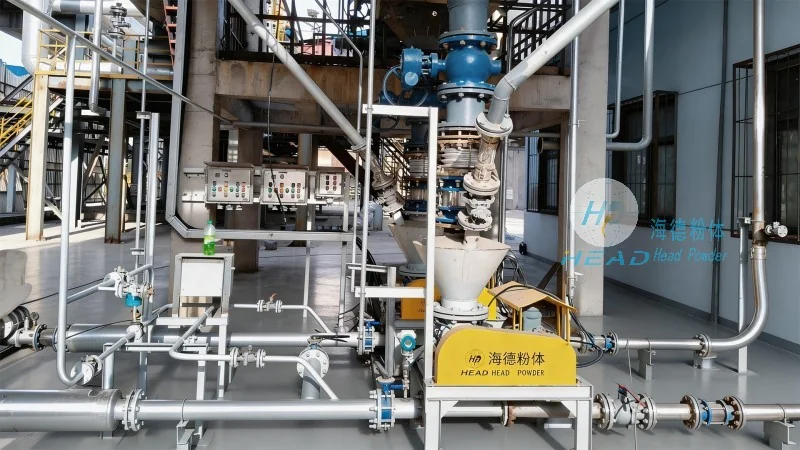
Proper alignment and sealing of the transfer points are critical to prevent air leakage and material spillage. The integration also involves coordinating with the overall production schedule, ensuring that the conveying system operates in sync with other processes. This coordination helps maintain consistent material supply to the processing equipment, reducing the risk of production delays.
Maintenance and Operational Considerations
Regular maintenance of the pneumatic conveying system is essential to ensure long-term reliability and performance. Key maintenance tasks include inspecting and cleaning the conveying line, checking the condition of the feeder and control components, and monitoring the air supply system. These tasks help identify potential issues early, preventing major breakdowns and reducing downtime.
Operational considerations also include monitoring system pressure and flow rates, as well as the condition of the graphite electrodes. Any changes in these parameters may indicate issues with the system or the material itself. By addressing these issues promptly, operators can maintain optimal performance and extend the lifespan of the equipment.
Shandong HeadPowder Engineering Co., Ltd., a leading provider of pneumatic conveying solutions, specializes in designing and manufacturing systems tailored to the unique needs of graphite electrode applications. With years of experience in the industry, the company ensures that its systems are built with high-quality materials and advanced technology, meeting the stringent requirements of modern manufacturing processes. The company's commitment to quality and customer satisfaction has made it a trusted partner for businesses in the graphite electrode sector.