

Common Sediment Transport Methods: An Overview of Pneumatic Sediment Transport
Efficient and reliable transport of sediment is a critical aspect in various industrial and environmental applications. Sediment, which includes sand, silt, and other particulate materials, often needs to be moved from one location to another for processing, treatment, or disposal. Traditional methods of sediment transport, such as hydraulic conveyance or mechanical systems, have their limitations in terms of efficiency, cost, and environmental impact. This article explores common sediment transport methods and provides an overview of pneumatic sediment transport, a modern and effective solution for handling sediment. The information is presented by Shandong HeadPowder Engineering Co., Ltd., a leading provider in the field of material handling and transport solutions.
Introduction to Sediment Transport
Sediment transport refers to the movement of solid particles suspended in a fluid, typically water or air. In industrial settings, sediment may be generated during mining, construction, or wastewater treatment processes. The ability to transport sediment efficiently is essential for maintaining operational efficiency and ensuring compliance with environmental regulations. Traditional transport methods include hydraulic systems, where water is used to carry sediment through pipelines, and mechanical systems like conveyor belts or screw conveyors. However, these methods often face challenges such as high energy consumption, maintenance costs, and the risk of clogging or erosion in pipelines.
Common Sediment Transport Methods
Several methods are commonly used for sediment transport, each with its own advantages and limitations. The choice of method depends on factors such as the type and size of sediment, the distance to be covered, and the available infrastructure. The primary methods include:
1. Hydraulic Transport
Hydraulic transport, also known as slurry transport, involves moving sediment suspended in water through pipelines. This method is widely used in mining and construction industries for transporting tailings or excavated materials. The main advantage of hydraulic transport is its ability to handle large volumes of sediment with relatively low energy input. However, it requires a constant supply of water and can lead to increased water usage and potential environmental concerns if not managed properly. Additionally, the pipelines used for hydraulic transport are susceptible to clogging and erosion, which may necessitate regular maintenance and replacement.
2. Mechanical Conveying
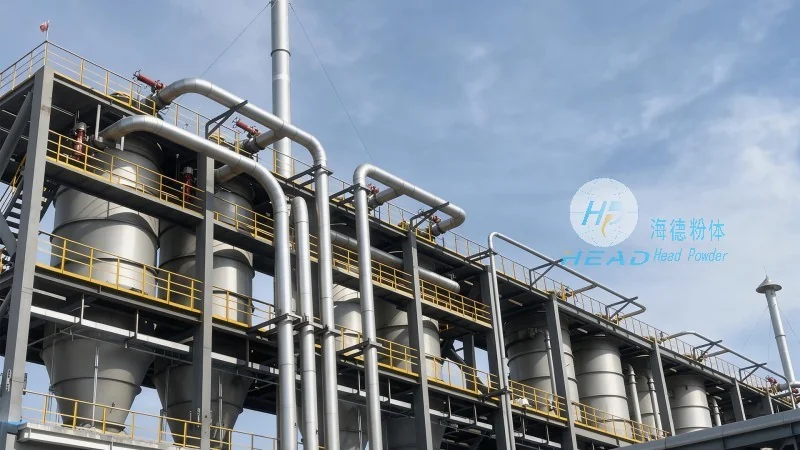
Mechanical conveying systems, such as belt conveyors, screw conveyors, and bucket elevators, are commonly used for transporting sediment in bulk. These systems rely on mechanical components to move the sediment from one point to another. Belt conveyors are particularly effective for transporting dry or semi-dry sediment over short to medium distances. Screw conveyors are suitable for handling fine particles and can be used in vertical or horizontal configurations. While mechanical conveying systems are relatively simple and reliable, they may have limitations in terms of the size and moisture content of the sediment they can handle. High moisture content can lead to slippage or blockages, reducing the efficiency of the system.
3. Gravity Transport
Gravity transport involves utilizing the natural slope of the terrain to move sediment from a higher elevation to a lower one. This method is often used in mining operations where the topography allows for the gravity flow of tailings or waste materials. Gravity transport is cost-effective as it does not require external energy sources, but it is limited by the available topography and the distance over which sediment can be transported. The method is also susceptible to environmental factors such as weather conditions, which may affect the flow rate and stability of the sediment.
Pneumatic Sediment Transport: An Effective Modern Solution
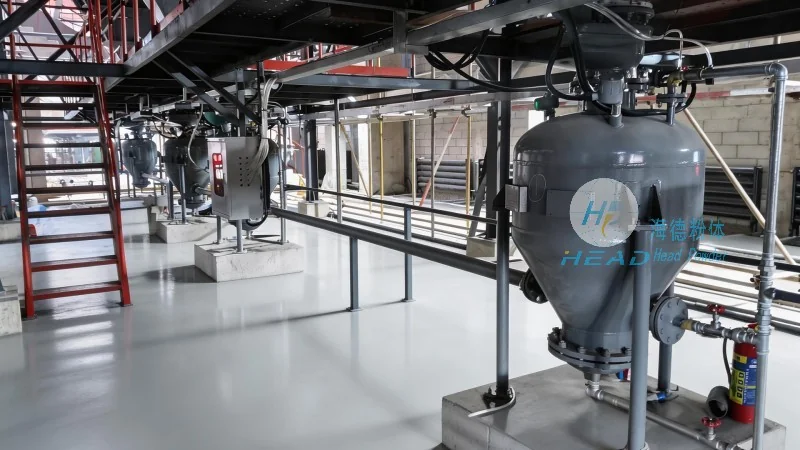
Pneumatic sediment transport, also known as air-based transport, is a modern and versatile method for handling sediment. This technology uses compressed air to transport solid particles through a pipeline. The process involves creating a flow of air that carries the sediment particles, similar to how a vacuum cleaner works but on a larger scale. Pneumatic transport is particularly suitable for transporting fine and dry sediment, as well as materials that are difficult to handle with other methods. The key advantages of pneumatic sediment transport include high efficiency, low maintenance requirements, and the ability to transport materials over long distances without the need for large infrastructure.
How Pneumatic Sediment Transport Works
The pneumatic transport system typically consists of a blower or compressor that generates the necessary air pressure, a pipeline network for transporting the sediment, and a receiver or discharge system where the sediment is deposited. The process begins with the sediment being fed into the pipeline at the inlet. The compressed air then carries the sediment particles along the pipeline, maintaining a consistent flow rate. The air pressure is carefully controlled to ensure that the sediment is transported without clogging or erosion of the pipeline. At the discharge end, the air is separated from the sediment, and the sediment is collected in a container or processing unit. The air is then either recirculated or released into the atmosphere, depending on the system design.

Advantages of Pneumatic Sediment Transport
Pneumatic sediment transport offers several advantages over traditional methods. First, it is highly efficient in terms of energy consumption, as the compressed air can transport large volumes of sediment with minimal energy input. Second, the system is relatively low maintenance, as there are no moving parts in contact with the sediment, reducing the risk of wear and tear. Third, pneumatic transport is suitable for transporting a wide range of sediment types, including fine particles and abrasive materials, without causing damage to the pipeline. Fourth, the system can be easily scaled to accommodate different volumes of sediment, making it flexible for various applications. Finally, pneumatic transport is environmentally friendly, as it reduces the need for water and minimizes the risk of spills or leaks.
Applications of Pneumatic Sediment Transport
Pneumatic sediment transport is widely used in various industries and applications. In the mining industry, it is used for transporting tailings, ore, and other materials from the mine site to processing facilities. In the construction industry, it is used for transporting sand, gravel, and other construction materials to job sites. In the environmental sector, it is used for handling contaminated sediment during remediation projects. Additionally, pneumatic transport is used in wastewater treatment plants for transporting sludge and other solid waste materials. The versatility of pneumatic sediment transport makes it an ideal solution for a wide range of sediment handling needs.
Conclusion
Sediment transport is a critical process in many industrial and environmental applications. Traditional methods such as hydraulic and mechanical conveying have their limitations, while pneumatic sediment transport offers a modern and effective solution. The technology provides high efficiency, low maintenance, and environmental benefits, making it a preferred choice for many industries. Shandong HeadPowder Engineering Co., Ltd. specializes in providing advanced material handling solutions, including pneumatic sediment transport systems, to meet the diverse needs of its clients. By leveraging the advantages of pneumatic transport, companies can improve operational efficiency, reduce costs, and ensure compliance with environmental regulations.