

Comparative Analysis of Common Coal and Sand Conveying Methods: Advantages and Disadvantages
For industries dealing with bulk materials like coal and sand, selecting the right conveying method is crucial for efficiency, cost-effectiveness, and operational safety. Shandong HeadPowder Engineering Co., Ltd., a leading provider in the field, offers insights into the common coal and sand conveying methods, highlighting their respective advantages and disadvantages to help clients make informed decisions.
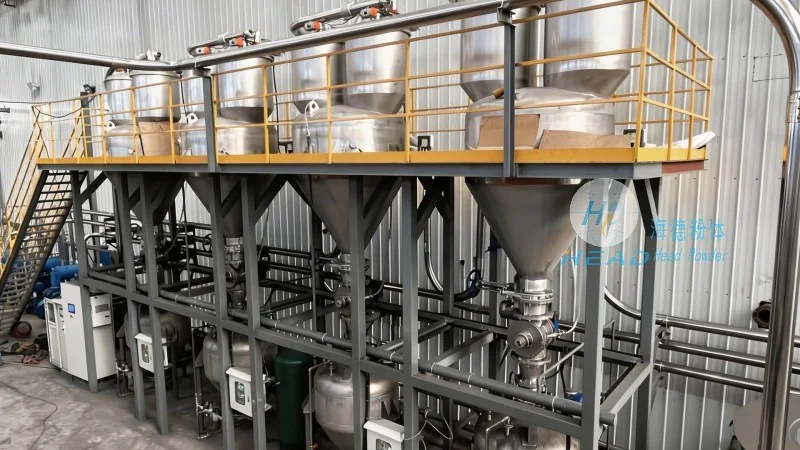
Introduction to Conveying Systems for Coal and Sand
Bulk material handling requires reliable and efficient systems to transport materials from one location to another. The choice of conveying method depends on factors such as material characteristics, distance, volume, and environmental considerations. In this analysis, we explore several widely used methods, including belt conveyors, screw conveyors, pneumatic conveyors, and slurry pumps, evaluating their suitability for coal and sand applications.
Belt Conveyors: A Versatile and Cost-Effective Solution
Belt conveyors are among the most common and versatile systems for transporting coal and sand. They consist of a continuous belt that moves materials along a fixed path, supported by rollers and pulleys. This method is particularly effective for long-distance transport and high-volume applications. The advantages of belt conveyors include high capacity, low maintenance costs, and the ability to operate in various environmental conditions. However, they have limitations, such as the need for regular tension adjustments and potential for material spillage if not properly maintained. Additionally, belt conveyors may not be suitable for vertical lifting or steep inclines without additional components like idlers or incline idlers.

Screw Conveyors: Compact and Efficient for Horizontal Transport
Screw conveyors, also known as auger conveyors, are ideal for horizontal or slight incline transport of coal and sand. They use a rotating screw (auger) to push materials forward through a cylindrical housing. This method is compact and can be installed in confined spaces, making it suitable for indoor or limited- space applications. The primary advantages of screw conveyors include their simplicity, low cost, and ability to handle a wide range of materials without the need for additional components. However, they have lower capacity compared to belt conveyors and are not suitable for vertical lifting or steep inclines. Moreover, they may experience wear and tear on the screw and housing, leading to higher maintenance costs over time.
Pneumatic Conveyors: Flexible and Dust-Free for Bulk Materials
Pneumatic conveyors use air pressure or vacuum to transport coal and sand through a pipeline system. This method is particularly useful for dust-free handling and can be used for both horizontal and vertical transport. The advantages of pneumatic conveyors include flexibility in layout, ability to handle fine materials without segregation, and reduced risk of material spillage. However, they have higher energy consumption compared to mechanical systems and may require more complex control systems. Additionally, they are less suitable for heavy or abrasive materials, as the pipeline can be damaged by wear and abrasion.
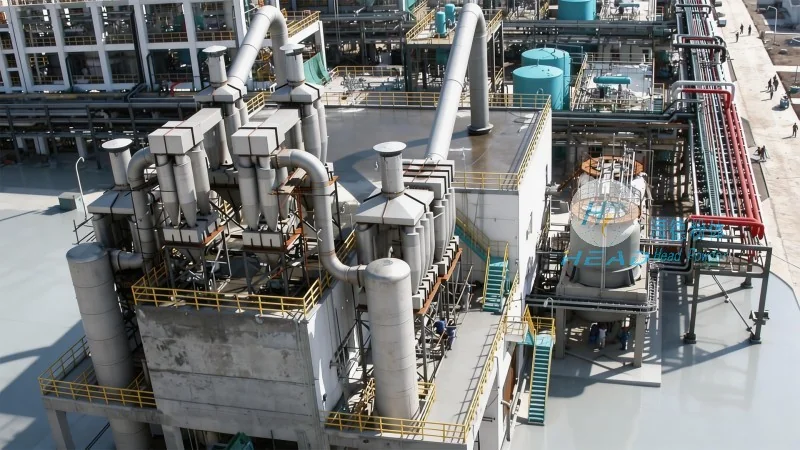
Slurry Pumps: Effective for Wet and High-Viscosity Materials
Slurry pumps are designed to transport coal and sand in a slurry form, which is a mixture of solid particles and liquid. This method is particularly effective for handling wet or high-viscosity materials that cannot be conveyed by other systems. The advantages of slurry pumps include high efficiency in transporting wet materials and the ability to handle abrasive particles without significant wear. However, they require regular maintenance to prevent clogging and wear, and the system may need additional equipment like mixers or classifiers to prepare the slurry. Moreover, slurry pumps are less suitable for dry material transport and may not be cost-effective for long-distance applications.
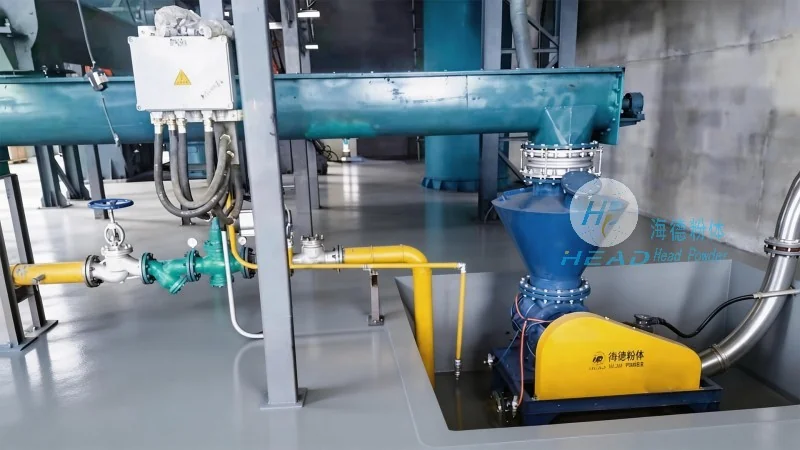
Choosing the Right Conveying Method: Factors to Consider
When selecting a conveying method for coal and sand, several factors must be considered to ensure optimal performance and cost-effectiveness. These factors include the material's characteristics (such as particle size, moisture content, and abrasiveness), the distance and elevation changes, the required capacity, and the available space for installation. Shandong HeadPowder Engineering Co., Ltd. recommends conducting a thorough analysis of these factors before choosing a system. For example, belt conveyors are ideal for long-distance horizontal transport, while screw conveyors are better suited for short-distance horizontal transport in confined spaces. Pneumatic conveyors are suitable for dust-free handling and flexible layouts, whereas slurry pumps are effective for wet or high-viscosity materials.
Conclusion: Making Informed Decisions with Expert Guidance
Choosing the right coal and sand conveying method is critical for the success of bulk material handling operations. By understanding the advantages and disadvantages of each system, clients can make informed decisions that align with their operational needs and budget constraints. Shandong HeadPowder Engineering Co., Ltd. provides expert guidance and customized solutions to help clients select the most suitable conveying system for their specific requirements. With years of experience in the industry, the company ensures that clients receive reliable, efficient, and cost-effective solutions tailored to their unique needs.