

Comparison of Common Rare Earth Material Handling Methods: Advantages and Disadvantages
When it comes to the efficient and safe transportation of rare earth materials, selecting the right handling method is crucial for industrial operations. Various techniques are employed, each with its own set of advantages and disadvantages. This article provides a detailed comparison of common rare earth material handling methods, helping industry professionals make informed decisions based on their specific operational needs. The information is presented by Shandong HeadPowder Engineering Co., Ltd., a leading provider of material handling solutions based in Shandong, China.
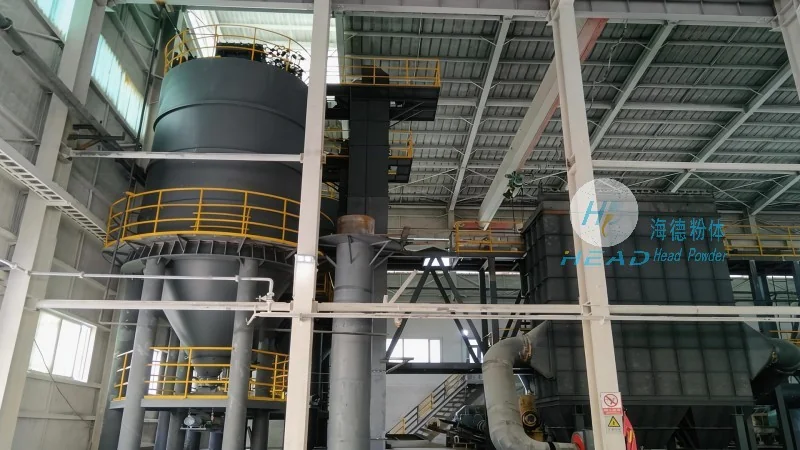
Overview of Rare Earth Material Handling Methods
Rare earth elements, such as neodymium, praseodymium, and cerium, are critical components in modern technology and manufacturing. Their unique magnetic, luminescent, and catalytic properties make them indispensable in electronics, renewable energy, and automotive industries. The proper handling of these materials is essential to ensure product quality, operational efficiency, and worker safety. Common methods for transporting rare earth materials include pneumatic conveying, screw conveyors, belt conveyors, and bucket elevators. Each method has distinct characteristics that influence its suitability for different applications.
Pneumatic Conveying Systems
Pneumatic conveying, also known as air conveying, is a popular method for transporting rare earth powders and granules. This technique involves the use of air pressure or vacuum to move materials through a pipeline. The primary advantage of pneumatic conveying is its ability to handle fine powders without the need for mechanical contact, which minimizes material degradation and contamination. It also allows for long-distance transportation and can be integrated with other processing equipment, such as classifiers and classifiers. However, pneumatic systems require significant energy input to generate the necessary air pressure, leading to higher operational costs. Additionally, they may be less effective for handling large volumes of bulk materials, as the system can become clogged or inefficient under high load conditions. The system's design must also consider the material's moisture content and dust explosion risks, as these factors can impact performance and safety.
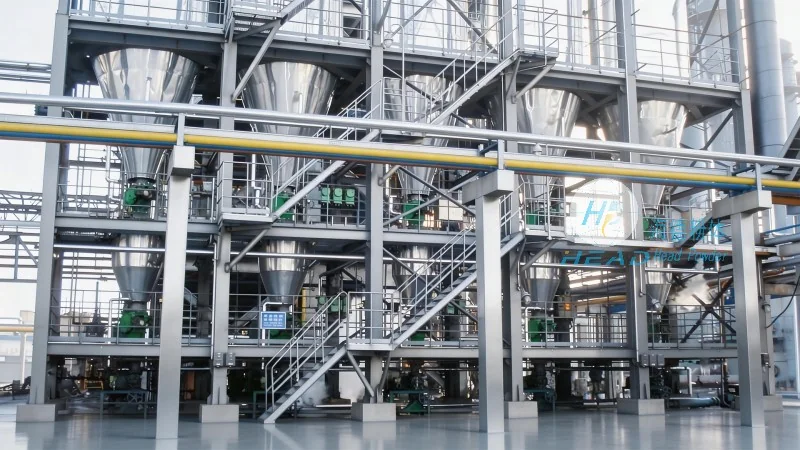
Screw Conveyors
Screw conveyors, or auger conveyors, are another widely used method for transporting rare earth materials. These systems consist of a rotating screw (auger) inside a tube or trough, which moves material forward through the mechanism. Screw conveyors are particularly effective for handling dry, free-flowing powders and granules. One of the key advantages is their ability to operate in a closed system, which helps maintain material purity and prevents dust emissions. They are also relatively simple in design, making them easy to install and maintain. However, screw conveyors have limitations when dealing with sticky or abrasive materials, as the screw and trough can experience wear and tear over time. The system's capacity is also limited by the screw's speed and the material's flow characteristics, and it may not be suitable for very fine powders that tend to settle or clog the screw. Proper maintenance, including regular lubrication and inspection of the screw and trough, is essential to ensure long-term performance.
Belt Conveyors
Belt conveyors are commonly used for the bulk transportation of rare earth materials, especially in mining and processing facilities. These systems use a continuous belt to move materials from one location to another. The primary advantage of belt conveyors is their high capacity and ability to transport large volumes of material over long distances. They are also relatively low in maintenance compared to other systems, as the moving parts are minimal. Belt conveyors can handle a wide range of material types, including coarse and fine powders, and can be adapted with various accessories, such as feeders and transfer points. However, belt conveyors require a significant amount of space and may not be suitable for vertical or inclined transport without additional equipment. The system's performance can be affected by material buildup on the belt, which can lead to inefficiencies and safety hazards. Regular cleaning and inspection of the belt and idlers are necessary to maintain optimal operation.
Bucket Elevators
Bucket elevators are used for vertical or inclined transport of rare earth materials, particularly in applications where space is limited or where the material needs to be lifted to a higher level. These systems consist of a vertical or inclined conveyor with buckets attached to a chain or belt, which lifts and transports material. The main advantage of bucket elevators is their ability to handle vertical transport efficiently, with minimal material spillage and loss. They are also suitable for handling sticky or abrasive materials, as the buckets can be designed to prevent material sticking. However, bucket elevators have a lower capacity compared to belt conveyors and may require more maintenance due to the moving chain or belt components. The system's design must consider the material's weight and flow characteristics, as excessive load can cause the buckets to overload or the chain to break. Proper alignment and tensioning of the chain or belt are critical to ensure smooth operation and prevent mechanical failures.
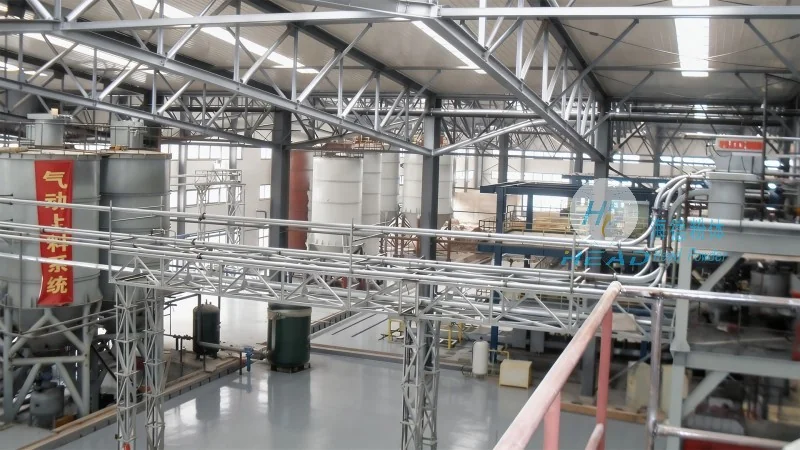
Choosing the Right Material Handling Method
When selecting a rare earth material handling method, several factors must be considered, including the material's physical properties, the required transport distance, the system's capacity, and the operational environment. Pneumatic conveying is ideal for fine powders and requires minimal contact, while screw conveyors are suitable for dry, free-flowing materials. Belt conveyors excel in bulk transport over long distances, and bucket elevators are best for vertical or inclined transport. The choice of method should also take into account energy consumption, maintenance requirements, and safety considerations. For example, a facility handling highly reactive or hazardous rare earth materials may prioritize systems with closed containment and minimal dust emissions. Ultimately, the optimal solution depends on a thorough analysis of the specific operational needs and constraints of the application.
Conclusion
Efficient and safe handling of rare earth materials is essential for the success of industrial operations. By understanding the advantages and disadvantages of common material handling methods, industry professionals can select the most appropriate system for their needs. Whether using pneumatic conveying, screw conveyors, belt conveyors, or bucket elevators, each method offers unique benefits and challenges. The key to effective material handling is a comprehensive evaluation of the material's characteristics, the operational requirements, and the long-term performance and maintenance considerations. With the right approach, companies can enhance productivity, ensure product quality, and maintain a safe working environment for their personnel.