

Components of Bentonite Pneumatic Conveying
Bentonite pneumatic conveying systems are integral to various industrial processes, particularly in sectors requiring efficient material handling and transport. At the heart of these systems lies bentonite, a versatile clay mineral known for its unique properties that enhance the conveying efficiency and stability of the process. Understanding the components that make up a bentonite pneumatic conveying system is crucial for optimizing performance, ensuring reliability, and meeting operational demands. This article provides a detailed breakdown of the key elements involved in such systems, focusing on the role of each component and how they collectively contribute to effective material transport.

The Role of Bentonite in Pneumatic Conveying
Bentonite, a naturally occurring clay composed primarily of montmorillonite, is widely used in pneumatic conveying due to its high swelling capacity and thixotropic properties. When mixed with water, bentonite forms a viscous slurry that acts as a lubricant and stabilizer within the conveying line. This property helps to reduce particle attrition, minimize dust generation, and maintain consistent flow rates. The use of bentonite in pneumatic conveying is particularly beneficial for handling abrasive or fine materials, as it protects the system components from wear and ensures a smooth, uninterrupted transport process. The effectiveness of bentonite in these systems directly impacts the overall efficiency and longevity of the equipment.
Key Components of Bentonite Pneumatic Conveying Systems
A bentonite pneumatic conveying system typically consists of several interconnected components, each playing a vital role in the material transport process. The primary components include the feed hopper, the conveying line, the air supply system, the control valves, and the discharge equipment. Each of these components is designed to work in harmony to ensure the efficient and reliable transport of bentonite and other materials.
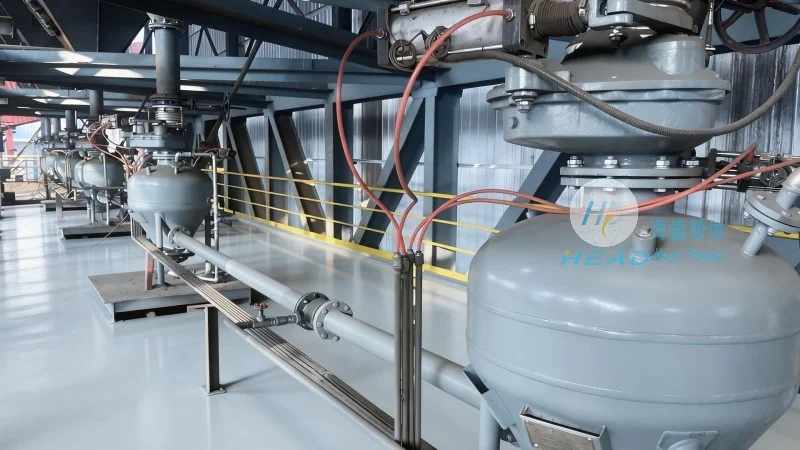
The feed hopper is responsible for storing and feeding the bentonite material into the conveying line. It is equipped with a feeding mechanism, such as a screw feeder or a rotary valve, that controls the flow rate of the material. The design of the hopper is crucial to prevent material bridging and ensure a consistent feed rate, which is essential for maintaining stable conveying conditions. The conveying line, usually made of stainless steel or other corrosion-resistant materials, is where the material and air mixture travels from the feed hopper to the discharge point. The line is typically equipped with bends and elbows to direct the flow, and the diameter and length of the line are carefully selected based on the material characteristics and the required conveying distance.
The air supply system is a critical component that provides the necessary pressure and volume of air to move the material through the conveying line. This system includes a blower or a compressor, which generates the required airflow, and a filter to remove any contaminants from the air. The air pressure and flow rate are adjustable and can be controlled to match the specific requirements of the material being conveyed. Proper air management is essential to prevent air leaks, maintain system efficiency, and ensure the longevity of the air supply equipment.
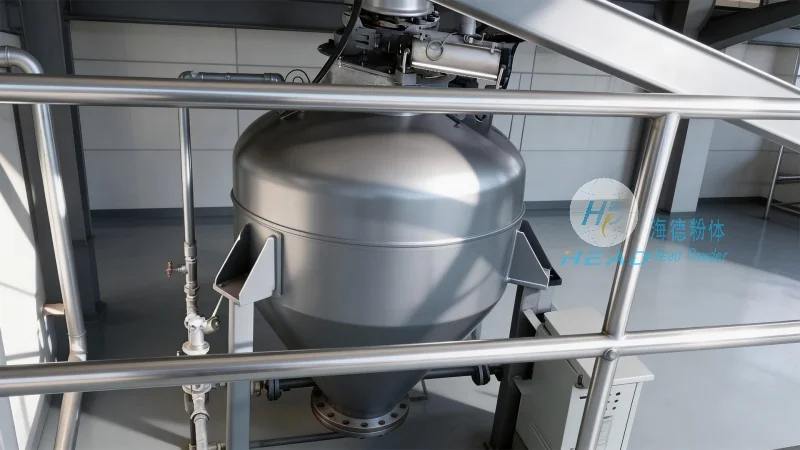
Control valves are used to regulate the flow of air and material within the system. These valves can be manual or automated and are typically located at strategic points in the conveying line, such as near the feed hopper or discharge point. They allow operators to adjust the flow rate, pressure, and direction of the material and air mixture, providing flexibility in controlling the conveying process. The use of control valves helps to prevent overloading the system, reduce energy consumption, and maintain optimal operating conditions.
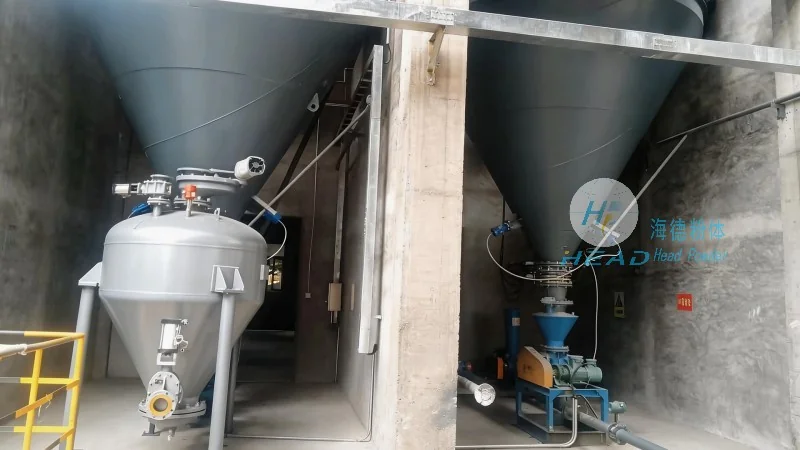
The discharge equipment is responsible for receiving the material at the end of the conveying line and transferring it to the final destination. This equipment can include a hopper, a rotary valve, or a conveyor system, depending on the application. The design of the discharge equipment is critical to ensure that the material is discharged smoothly and without causing blockages or spillage. Proper maintenance of the discharge equipment is essential to prevent material buildup and ensure consistent discharge rates.
Company Information: Shandong HeadPowder Engineering Co., Ltd.
For those seeking reliable bentonite pneumatic conveying solutions, Shandong HeadPowder Engineering Co., Ltd. is a leading provider of industrial equipment and services. With a focus on innovation and quality, the company specializes in designing and manufacturing customized pneumatic conveying systems tailored to the specific needs of its clients. HeadPowder's expertise in bentonite handling and material transport ensures that their systems are efficient, durable, and cost-effective. The company's commitment to customer satisfaction and technical excellence has made it a trusted partner in various industries, including mining, construction, and chemical processing. Based in Shandong, China, HeadPowder leverages its local resources and industry knowledge to deliver high-quality products and services to clients worldwide.