

Components of Magnesia Pneumatic Conveying
When it comes to the efficient and reliable transportation of magnesia, understanding the core components of a pneumatic conveying system is essential. This article provides a detailed overview of the key elements that make up a magnesia pneumatic conveying system, ensuring optimal performance and longevity for industrial applications.
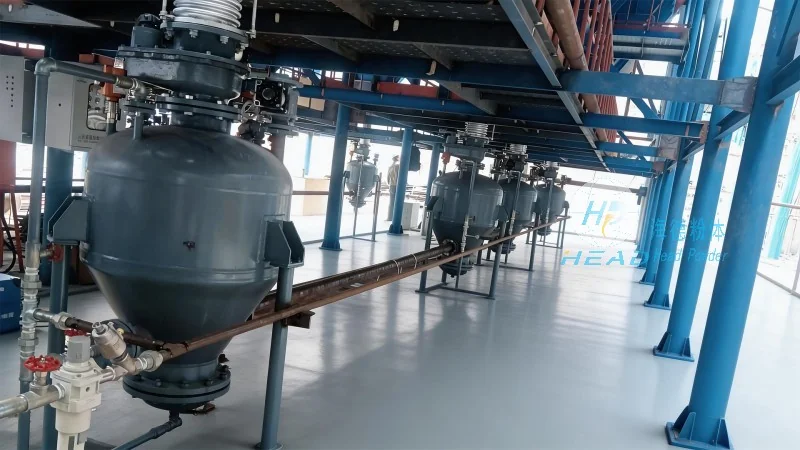
Key Components of Magnesia Pneumatic Conveying Systems
The magnesia pneumatic conveying system consists of several critical components that work in tandem to transport material from one location to another. These components are designed to handle the unique properties of magnesia, such as its density, particle size, and flow characteristics. The primary components include the material feed system, the conveying line, the air supply unit, and the collection or discharge equipment.
Material Feed System
The material feed system is the initial stage of the magnesia pneumatic conveying process. It is responsible for introducing the magnesia material into the conveying line. This component typically includes a hopper or bin that stores the magnesia, a feeder mechanism (such as a rotary valve or screw feeder) that controls the flow rate, and a feeder housing that ensures a consistent and controlled feed. The design of the feed system is crucial as it directly impacts the uniformity of the material flow and the overall efficiency of the conveying process. For magnesia, which can be abrasive and have varying particle sizes, a robust feed system is essential to prevent blockages and ensure smooth operation.
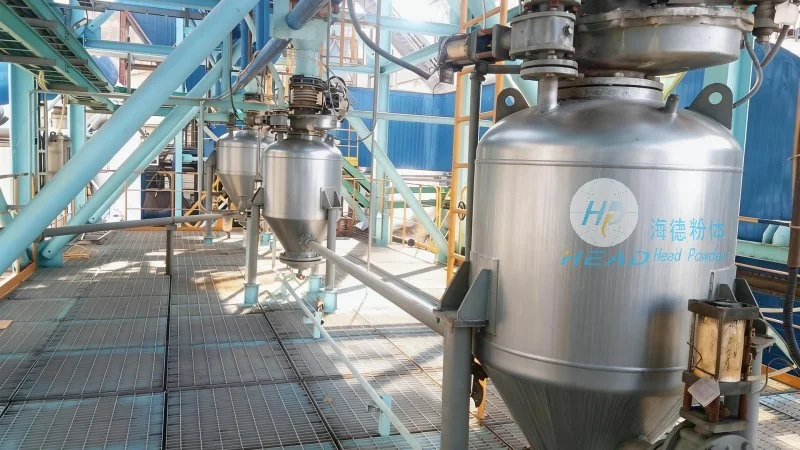
Conveying Line
The conveying line is the central part of the pneumatic system, responsible for transporting the magnesia particles through the air stream. It is usually made of stainless steel or other corrosion-resistant materials to withstand the abrasive nature of magnesia and the pressure differentials involved in the conveying process. The line may include bends, elbows, or other fittings that direct the material flow. The diameter and length of the conveying line are carefully selected based on the material characteristics and the required conveying distance. For magnesia, which can be fine or have a tendency to agglomerate, the line design must minimize pressure drop and prevent material buildup, ensuring a consistent and efficient transport.
Air Supply Unit
The air supply unit provides the necessary air pressure and volume to move the magnesia particles through the conveying line. This component typically includes a blower or compressor, a filter to remove contaminants from the air, and a control system to regulate the air flow. The air supply unit must be capable of generating sufficient pressure to overcome the resistance in the conveying line and the weight of the material. For magnesia, which may have high density or require long-distance transport, a high-capacity air supply is essential. The air pressure and flow rate are critical parameters that affect the conveying efficiency and the energy consumption of the system.
Collection and Discharge Equipment
The collection and discharge equipment is the final stage of the magnesia pneumatic conveying system, responsible for receiving the material at the destination and transferring it to the next process or storage. This component typically includes a receiver or hopper that collects the magnesia, a discharge valve or outlet that controls the material flow, and sometimes a dust collector or filter to remove any residual particles from the air. The design of the collection equipment is important to prevent material spillage and ensure a clean and efficient discharge. For magnesia, which can be fine and generate dust, proper collection and discharge mechanisms are necessary to maintain a clean working environment and comply with environmental regulations.
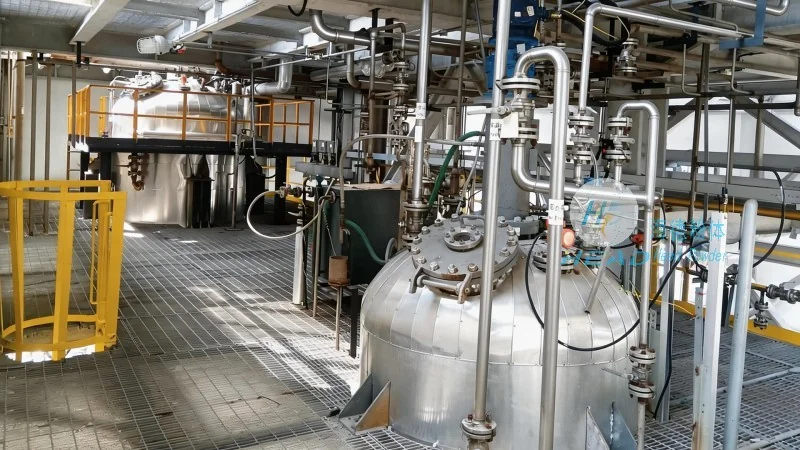
Additional Components and Considerations
Beyond the primary components, there are several additional elements that may be included in a magnesia pneumatic conveying system to enhance performance and reliability. These may include a pressure regulator to maintain consistent air pressure, a flow meter to monitor the material flow rate, a silencer to reduce noise levels, and a safety valve to prevent overpressure. For industrial applications, especially those handling abrasive materials like magnesia, regular maintenance and inspection of these components are essential to ensure the system operates efficiently and safely.
Shandong HeadPowder Engineering Co., Ltd., a leading manufacturer of magnesia processing equipment, specializes in designing and supplying high-quality pneumatic conveying systems tailored to the specific needs of magnesia applications. With years of experience in the industry, the company understands the unique challenges associated with magnesia transportation and provides customized solutions that meet the highest standards of efficiency and reliability. The company's commitment to quality and customer satisfaction has made it a trusted partner for businesses in various industries that rely on magnesia for their operations.