

What Comprises the Pneumatic Transport of Fly Ash
Understanding the components of pneumatic transport systems for fly ash is crucial for optimizing industrial processes and ensuring efficient material handling. The technology involves a sophisticated arrangement of equipment and processes designed to move fly ash, a byproduct of coal combustion, through a pipeline using air pressure. This article explores the key elements that constitute such a system, highlighting the role of each component in the overall operation.
Key Components of Pneumatic Fly Ash Transport Systems
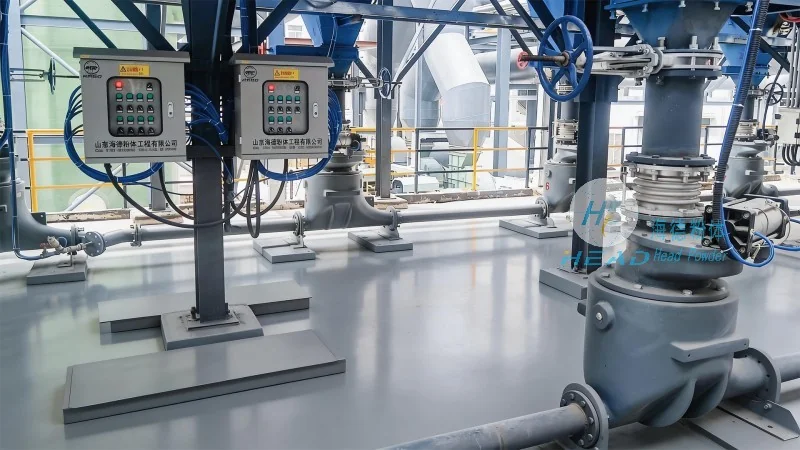
The pneumatic transport of fly ash typically consists of several core components that work in tandem to facilitate the movement of the material. These components are engineered to handle the specific properties of fly ash, such as its fine particle size and abrasive nature, ensuring reliable and efficient operation. The primary elements include the ash collection system, the transport pipeline, the air supply system, and the control and monitoring equipment.
Ash Collection and Preparation Unit
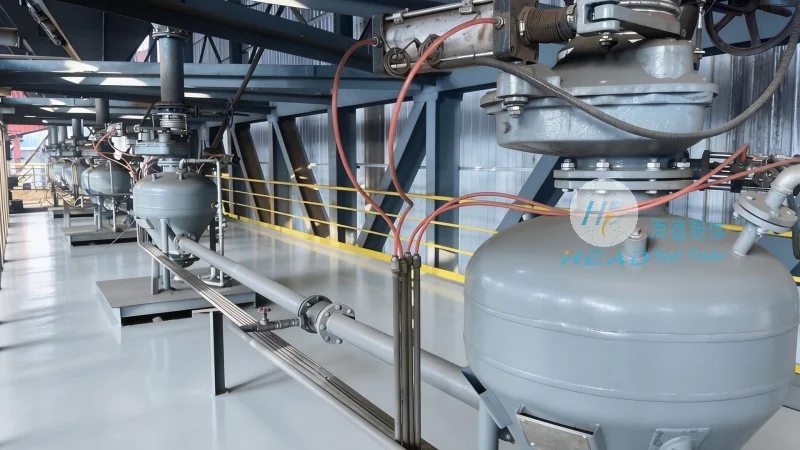
The first stage in the pneumatic transport process involves the collection and preparation of fly ash. This unit is responsible for gathering the ash from the boiler or other sources and preparing it for transport. The system may include ash hoppers or silos that store the material before it is fed into the transport pipeline. In some cases, the ash may undergo pre-processing, such as drying or screening, to improve its flow characteristics and reduce the risk of blockages in the pipeline. The collection unit is designed to handle large volumes of fly ash, often in bulk, and ensures that the material is consistently fed into the system without interruptions.
Pneumatic Transport Pipeline
The transport pipeline is the central element of the pneumatic system, responsible for conveying the fly ash from the collection point to the disposal or utilization site. The pipeline is typically made of materials that can withstand the abrasive nature of fly ash and the pressure of the air used for transport. Common materials include stainless steel, carbon steel, or specialized coatings that protect against corrosion and wear. The pipeline is designed with appropriate diameters and slopes to maintain the flow of the material and prevent clogging. The system may include bends, valves, and other fittings that allow for control of the flow and direction of the ash. The pipeline's length and configuration are tailored to the specific requirements of the industrial site, ensuring that the transport is efficient and cost-effective.
Air Supply and Pressure System
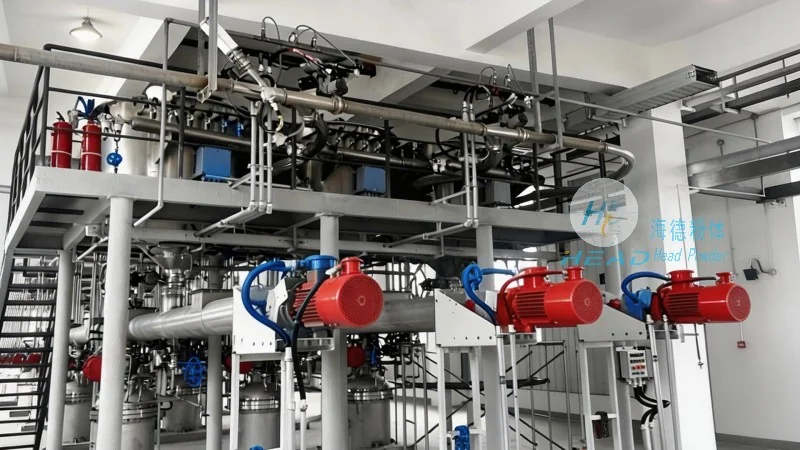
The air supply system is critical to the operation of the pneumatic transport system, as it provides the necessary pressure to move the fly ash through the pipeline. This system typically includes a blower or compressor that generates the required air pressure, often ranging from several hundred to several thousand pounds per square inch (psi). The air is then introduced into the pipeline at the collection point, creating a flow that propels the fly ash particles forward. The system may also include air filters and moisture control equipment to ensure that the air used is clean and dry, preventing contamination of the fly ash and maintaining the efficiency of the transport process. The air supply system is designed to provide consistent pressure and flow, which is essential for maintaining the stability of the ash flow and preventing blockages.
Control and Monitoring Equipment
Control and monitoring equipment is essential for managing the pneumatic transport system and ensuring its safe and efficient operation. This includes sensors and control valves that monitor the pressure, flow rate, and temperature within the system. The system may also include alarms and safety devices that alert operators to any abnormalities or potential issues, such as blockages or pressure drops. The control equipment allows for real-time adjustments to the system parameters, ensuring that the transport process is optimized for the specific conditions of the industrial site. Additionally, the monitoring equipment provides data on the performance of the system, which can be used for maintenance and troubleshooting purposes. This component is crucial for maintaining the reliability of the pneumatic transport system and minimizing downtime.
Integration with Industrial Processes
The pneumatic transport of fly ash is often integrated with other industrial processes, such as power generation or cement production, where the ash is utilized as a raw material. The system is designed to connect seamlessly with these processes, ensuring that the fly ash is delivered to the appropriate location without any loss or contamination. The integration may involve the use of transfer stations or storage facilities that allow for the temporary storage of the ash before it is used in other processes. The system is also designed to be compatible with existing infrastructure, minimizing the need for new construction or modifications to the industrial site. This integration enhances the overall efficiency of the industrial operation and reduces the environmental impact of fly ash disposal.
Maintenance and Operational Considerations
Maintaining the pneumatic transport system is essential for ensuring its long-term performance and reliability. Regular maintenance is required to prevent wear and tear on the components, such as the pipeline, valves, and air supply system. This includes inspections, cleaning, and replacement of worn parts as needed. The system may also require periodic cleaning to remove any buildup of ash or other debris that could affect its performance. Operational considerations, such as the flow rate and pressure settings, must be carefully managed to ensure that the system operates within its design limits. Proper training of operators is also crucial for the safe and efficient operation of the system. By following these maintenance and operational guidelines, the pneumatic transport system can provide reliable and efficient service for many years.
Conclusion
In conclusion, the pneumatic transport of fly ash is a complex system that involves several key components working together to move the material efficiently and safely. The system includes the ash collection and preparation unit, the transport pipeline, the air supply and pressure system, and the control and monitoring equipment. Each component plays a critical role in the overall operation, and their proper integration and maintenance are essential for the system's performance. The technology has become an important part of industrial processes, particularly in power generation and cement production, where the efficient handling of fly ash is crucial. As the demand for sustainable and efficient industrial practices grows, the pneumatic transport of fly ash will continue to play a vital role in reducing the environmental impact of coal combustion and optimizing the use of byproducts.