

Desulfurization Fly Ash Pneumatic Conveying: What It Comprises
Desulfurization fly ash, a byproduct of flue gas desulfurization processes in power plants and industrial facilities, requires efficient handling and transportation. Pneumatic conveying systems have emerged as a reliable method for transporting this material due to their ability to handle fine powders and minimize environmental impact. Understanding the components of a desulfurization fly ash pneumatic conveying system is crucial for optimizing performance, ensuring safety, and maintaining operational efficiency.
Key Components of Desulfurization Fly Ash Pneumatic Conveying Systems
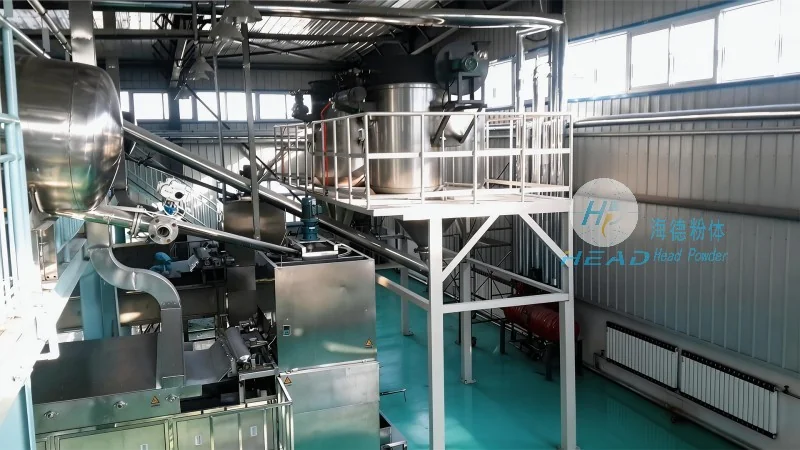
The desulfurization fly ash pneumatic conveying system typically consists of several interconnected components that work in tandem to transport the ash from its source to the disposal or utilization site. These components are designed to handle the specific characteristics of fly ash, such as its fine particle size, moisture content, and potential reactivity. The primary components include:
1. Material Source and Feeding Equipment
The process begins with the collection of desulfurization fly ash from the storage silo or hopper. The material source is usually a large storage vessel that holds the ash before it is conveyed. Feeding equipment, such as rotary valves or screw feeders, is used to control the flow rate of the ash into the conveying line. These devices ensure a consistent and controlled feed, preventing blockages and maintaining system efficiency. The choice of feeding equipment depends on the ash's properties, including its bulk density and flowability, which can vary based on the desulfurization process and the type of coal burned.
2. Conveying Line and Air Supply System
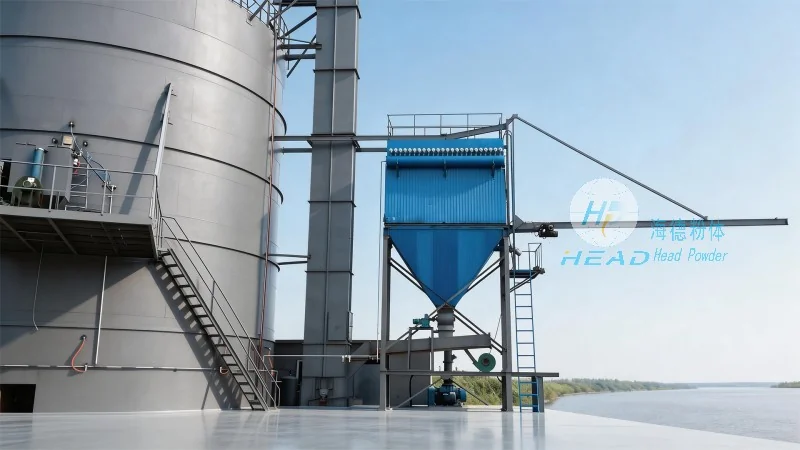
The core of the pneumatic conveying system is the conveying line, which can be either a positive pressure or negative pressure system. Positive pressure systems use a blower or compressor to force air through the line, while negative pressure systems use a vacuum pump to create suction. For desulfurization fly ash, positive pressure systems are often preferred as they can handle larger particle sizes and provide better control over the material flow. The air supply system includes the blower, which generates the necessary air pressure, and associated piping and fittings that distribute the air to the conveying line. The blower's capacity and pressure rating are critical, as they must match the system's requirements to ensure effective transport without excessive energy consumption.
3. Transporting and Separation Equipment
Within the conveying line, the ash is suspended in the air stream and transported to the destination. The transport equipment includes the pipeline itself, which is typically made of corrosion-resistant materials like stainless steel or PVC to withstand the acidic and abrasive nature of the ash. The pipeline is designed with smooth surfaces and minimal bends to reduce friction and prevent particle accumulation. At the receiving end, separation equipment is used to separate the ash from the air stream. This may involve cyclone separators, bag filters, or electrostatic precipitators, depending on the system's design and the required level of dust control. The separated ash is then collected in a storage bin or transported further for disposal or recycling.
4. Control and Monitoring Systems
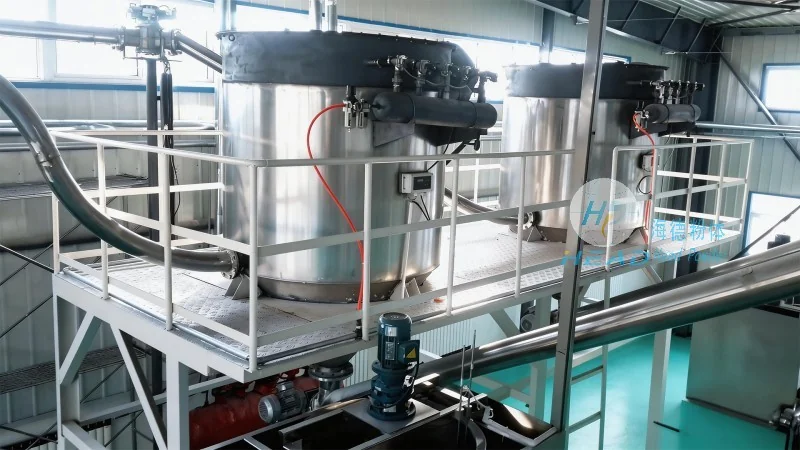
Effective control and monitoring are essential for the safe and efficient operation of the desulfurization fly ash pneumatic conveying system. Control systems include sensors and controllers that monitor parameters such as pressure, flow rate, and temperature. These systems can automatically adjust the blower speed or feeding rate to maintain optimal conditions and prevent system overload. Monitoring equipment, such as pressure transducers and flow meters, provides real-time data to operators, allowing them to detect and address issues promptly. Additionally, safety features like pressure relief valves and emergency shut-off mechanisms are integrated into the system to protect against overpressure or other hazards.
5. Auxiliary Equipment and Accessories
Several auxiliary components support the main conveying system. These include air filters and dryers to maintain air quality and prevent moisture buildup, which can affect the ash's properties and system performance. Piping and fittings are used to connect the various components and ensure a leak-free system. Valves and regulators are used to control air flow and pressure, while maintenance tools and spare parts are essential for routine upkeep. The selection of these auxiliary components is based on the system's specific requirements and the operating environment.
Role of Shandong HeadPowder Engineering Co., Ltd. in Desulfurization Fly Ash Pneumatic Conveying
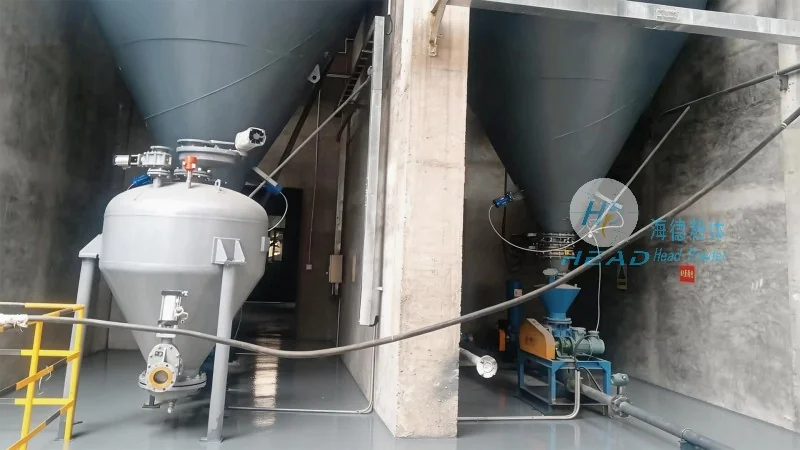
Shandong HeadPowder Engineering Co., Ltd., a leading provider of industrial powder handling solutions, specializes in designing and manufacturing desulfurization fly ash pneumatic conveying systems tailored to the needs of power plants and industrial facilities. With years of experience in the field, the company understands the unique challenges associated with handling desulfurization fly ash and offers customized solutions that address these challenges effectively. The company's expertise includes the integration of advanced technologies and materials to ensure the durability and efficiency of the conveying systems. By leveraging their knowledge of material properties and system design, Shandong HeadPowder Engineering Co., Ltd. helps clients optimize their ash handling processes, reduce operational costs, and minimize environmental impact.
Conclusion
In summary, a desulfurization fly ash pneumatic conveying system comprises several key components that work together to transport the ash efficiently and safely. These components include the material source and feeding equipment, the conveying line and air supply system, the transporting and separation equipment, the control and monitoring systems, and auxiliary equipment. Each component plays a critical role in ensuring the system's performance and reliability. With the right design and maintenance, these systems can effectively handle desulfurization fly ash, contributing to the overall efficiency and sustainability of industrial operations. Shandong HeadPowder Engineering Co., Ltd. stands as a trusted partner in providing high-quality solutions for ash handling, helping clients achieve their operational goals while adhering to environmental standards.