

Components of Millet Pneumatic Conveying System
For agricultural operations dealing with millet, efficient and reliable material handling is crucial. The pneumatic conveying system for millet, often referred to as a millet pneumatic conveyor, is a specialized solution designed to transport millet grains from one location to another within a processing facility. This system operates by using air pressure to move the millet through a network of pipes and components, ensuring minimal loss and optimal flow control.

Key Components of the Millet Pneumatic Conveying System
The millet pneumatic conveying system consists of several critical components that work in tandem to achieve effective material transport. These components are essential for maintaining the integrity of the millet and ensuring smooth operation. The main components include the hopper, the air mover, the conveying line, the control valve, and the discharge unit. Each component plays a vital role in the overall functionality of the system.
The Hopper: Material Storage and Feeding
The hopper is the initial component of the millet pneumatic conveying system, responsible for storing and feeding the millet into the system. It is typically made of durable materials such as stainless steel or high-density polyethylene to withstand the abrasive nature of millet grains. The hopper is designed with a sloped bottom to facilitate the flow of millet into the inlet of the air mover. The feeding mechanism, often a rotary valve or a screw feeder, regulates the amount of millet released into the system, ensuring a consistent flow rate. This component is crucial for preventing blockages and maintaining the efficiency of the entire conveying process.
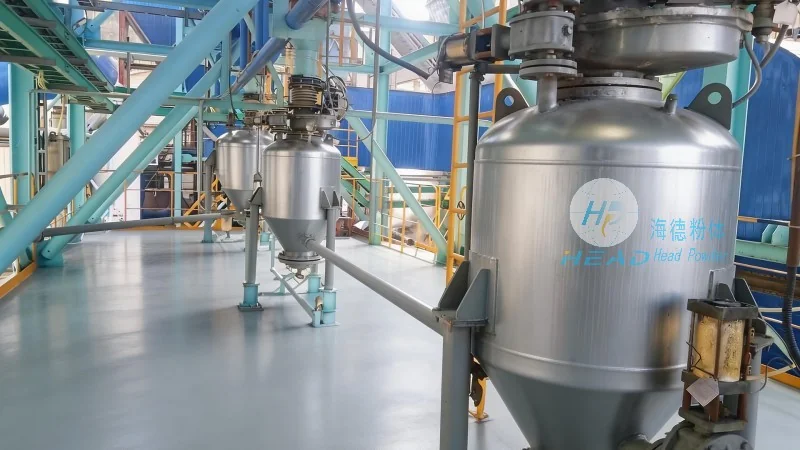
The Air Mover: The Core of the Conveying System
The air mover, also known as the blower or fan, is the heart of the millet pneumatic conveying system. It generates the necessary air pressure and flow to transport the millet through the conveying line. There are two main types of air movers used in these systems: positive displacement blowers and centrifugal fans. Positive displacement blowers, such as rotary lobe blowers or Roots blowers, provide high-pressure air at lower flow rates, making them suitable for long-distance or high-resistance conveying. Centrifugal fans, on the other hand, offer high-volume air at lower pressure, ideal for short-distance or low-resistance applications. The choice of air mover depends on the specific requirements of the millet processing facility, including the distance to be covered and the volume of material to be conveyed.
The Conveying Line: The Path for Material Transport
The conveying line is a network of pipes that forms the path for the millet to travel from the hopper to the discharge point. These pipes are typically made of stainless steel or plastic, chosen for their resistance to corrosion and wear from the millet grains. The line is designed with appropriate bends and elbows to accommodate changes in direction, ensuring that the millet moves smoothly without causing blockages or excessive pressure drops. The diameter of the pipes is carefully selected based on the volume of millet to be conveyed and the air velocity required to maintain the material in suspension. Proper maintenance of the conveying line, including regular cleaning and inspection for wear, is essential to prevent clogs and ensure long-term performance.
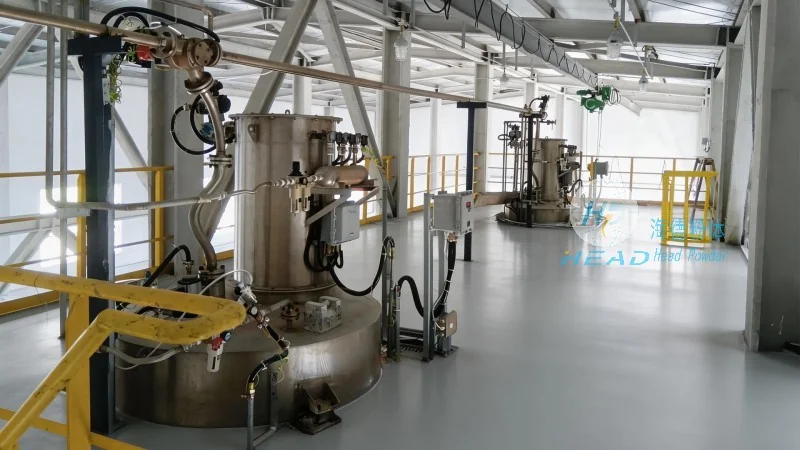
The Control Valve: Regulating Air and Material Flow
The control valve is a critical component that regulates the air and material flow within the millet pneumatic conveying system. It is typically located at the inlet of the air mover and is used to adjust the pressure and flow rate of the air. The valve can be manual or automated, depending on the needs of the facility. In automated systems, the control valve is often integrated with sensors that monitor the pressure and flow rate, allowing for real-time adjustments to maintain optimal conveying conditions. The control valve helps prevent over-pressurization, which can damage the system or cause material spillage, and ensures that the millet is conveyed at the correct speed and volume.
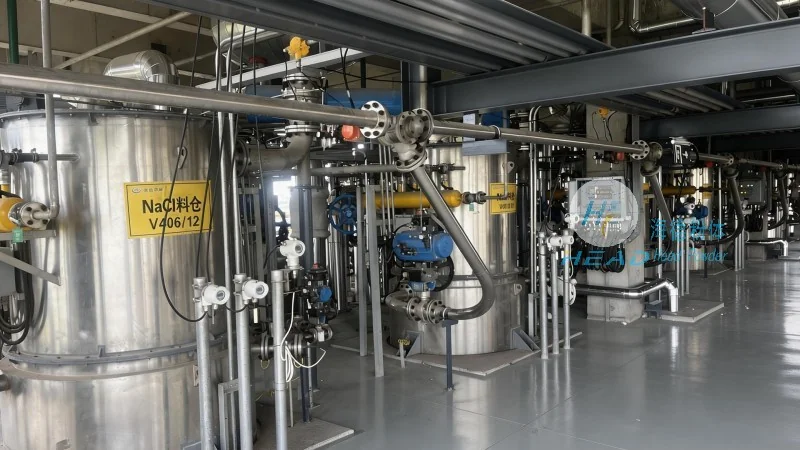
The Discharge Unit: Delivering the Millet to its Destination
The discharge unit is the final component of the millet pneumatic conveying system, responsible for delivering the millet to its intended destination. This unit can be a rotary valve, a screw conveyor, or a hopper, depending on the application. The discharge unit is designed to handle the millet gently, preventing breakage or damage to the grains. It is typically located at the end of the conveying line and is connected to the receiving equipment, such as a storage silo or a processing machine. The discharge unit can be equipped with a control mechanism that regulates the flow rate of the millet, ensuring a consistent supply to the next stage of the processing operation. Proper maintenance of the discharge unit is essential to prevent clogs and ensure that the millet is delivered efficiently and without loss.
About Shandong HeadPowder Engineering Co., Ltd.
Shandong HeadPowder Engineering Co., Ltd., commonly known as HeadPowder, is a leading manufacturer and supplier of pneumatic conveying systems for agricultural and industrial applications. With years of experience in the industry, HeadPowder specializes in designing and manufacturing high-quality millet pneumatic conveying systems that meet the specific needs of its clients. The company's headquarters is located in Shandong, China, and it serves customers worldwide with its reliable and efficient products. HeadPowder's commitment to quality and customer satisfaction has made it a trusted name in the pneumatic conveying industry, providing solutions that enhance the productivity and efficiency of agricultural operations.