

Components of Cement Dry Ash Pneumatic Conveying Systems
Cement dry ash pneumatic conveying systems are sophisticated industrial solutions designed to efficiently transport dry powders, such as cement ash, over long distances with minimal loss and optimal performance. The core components of these systems are meticulously engineered to ensure reliable operation and adaptability to various industrial applications. At Shandong HeadPowder Engineering Co., Ltd., we specialize in providing comprehensive solutions that integrate all essential elements for effective pneumatic conveying of cement dry ash.
Key Equipment in Pneumatic Conveying Systems
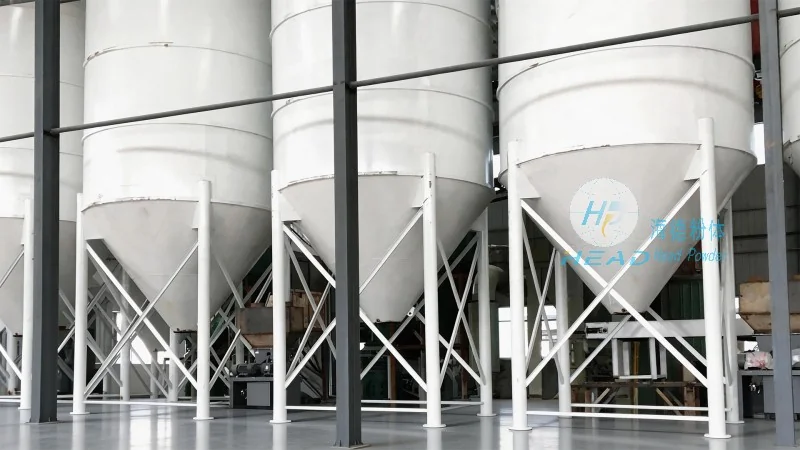
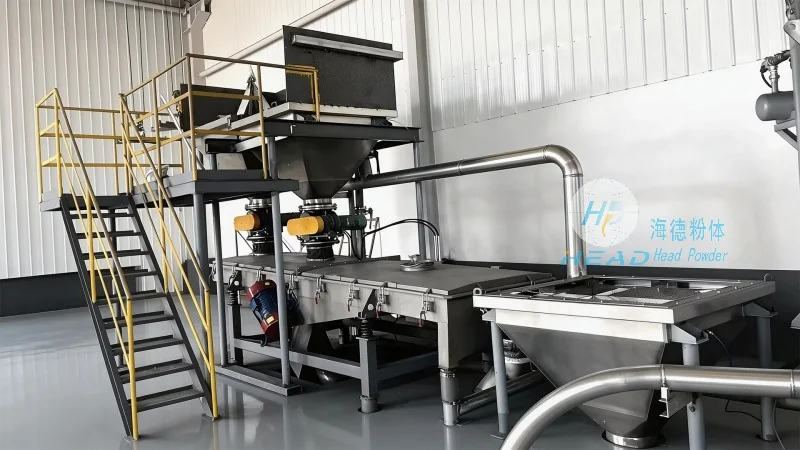
The primary equipment that constitutes a cement dry ash pneumatic conveying system includes the material feed hopper, which serves as the initial storage and feeding unit. This component is crucial for maintaining a consistent flow of dry ash into the system, preventing blockages and ensuring smooth operation. The feed hopper is typically equipped with a rotary valve or a gate valve to control the discharge rate, allowing for precise regulation of material input. Additionally, the hopper may feature a dust collection system to minimize airborne particles and enhance safety during material handling.
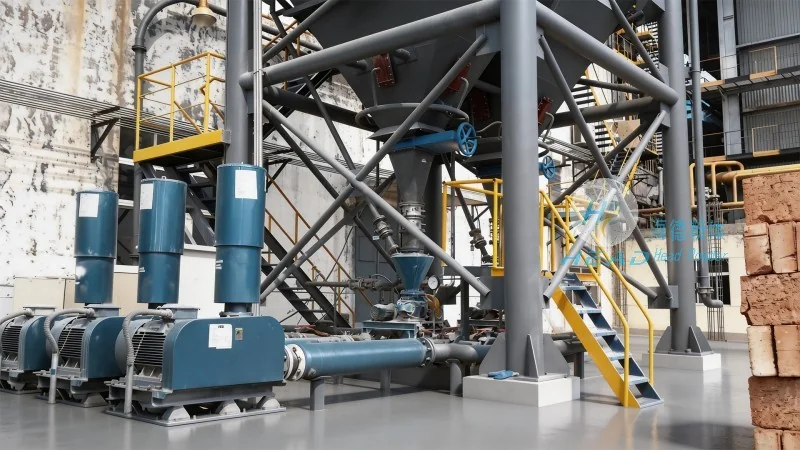
Next in the system is the air compressor or blower, which generates the necessary pressure to move the dry ash through the conveying lines. The choice of compressor depends on the system's capacity, distance, and the specific properties of the cement ash, such as particle size and moisture content. High-pressure blowers are often preferred for long-distance conveying, as they can maintain sufficient velocity to prevent material settling in the pipes. The compressor is usually connected to a filter system to ensure clean air is used, preventing contamination of the dry ash and extending the equipment's lifespan.
Piping and Conveying Lines
The conveying lines, typically made of stainless steel or other corrosion-resistant materials, form the backbone of the pneumatic system. These pipes are designed to withstand the pressure and temperature variations associated with dry ash transport. The diameter and length of the pipes are carefully selected based on the system's capacity and the distance between the source and destination. For horizontal and vertical sections, the pipe layout is optimized to minimize pressure drop and ensure uniform flow. Additionally, the system may include expansion joints and bends that are strategically placed to accommodate thermal changes and reduce stress on the pipes.
Within the piping network, components like check valves and flow meters are integrated to monitor and control the conveying process. Check valves prevent backflow, ensuring that the dry ash moves in a single direction, while flow meters provide real-time data on the material's velocity and quantity. These monitoring tools are essential for maintaining system efficiency and detecting any potential issues, such as blockages or pressure fluctuations.
Control and Monitoring Systems
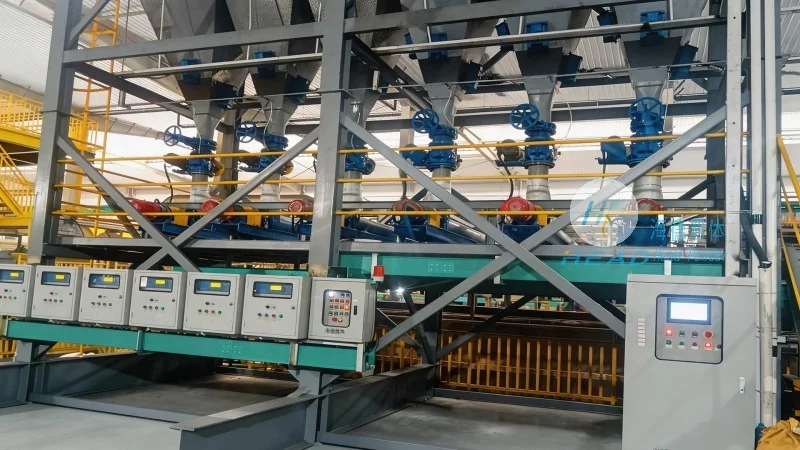
The control and monitoring systems are critical for the safe and efficient operation of cement dry ash pneumatic conveying systems. These systems typically include programmable logic controllers (PLCs) that manage the entire process, from material feeding to air compression. The PLCs receive input from various sensors, such as pressure transducers, flow meters, and temperature sensors, to adjust the system's parameters in real time. For example, if the pressure in the conveying line drops, the PLC can automatically increase the air flow or adjust the feed rate to maintain optimal performance.
Additionally, the control system may include alarms and safety interlocks to prevent accidents and ensure compliance with industrial regulations. These features are particularly important when handling materials like cement ash, which can be hazardous if not managed properly. The monitoring data collected by the system can also be used for maintenance planning, allowing for proactive repairs and reducing downtime.
Integration and Customization
At Shandong HeadPowder Engineering Co., Ltd., we understand that each industrial application has unique requirements. Therefore, our pneumatic conveying systems are designed to be modular and customizable, allowing clients to tailor the components to their specific needs. This approach ensures that the system operates at peak efficiency while minimizing costs and maintenance requirements. Our team of engineers works closely with clients to assess their operational needs, material properties, and site conditions to develop a tailored solution that meets all their requirements.
Whether for short-distance or long-distance conveying, our systems are built to deliver reliable performance and durability. By integrating all essential components, from the feed hopper to the control system, we provide a comprehensive solution that addresses the entire conveying process. With our expertise and commitment to quality, clients can trust that their cement dry ash pneumatic conveying system will operate efficiently and safely for years to come.