

What Comprises the Pneumatic Conveying of Petroleum Coke Powder
Understanding the components of a petroleum coke powder pneumatic conveying system is crucial for ensuring efficient and reliable material handling in industrial applications. This article provides a detailed overview of the key elements that constitute such a system, focusing on the technology and equipment used by Shandong HeadPowder Engineering Co., Ltd., a leading provider in the field.
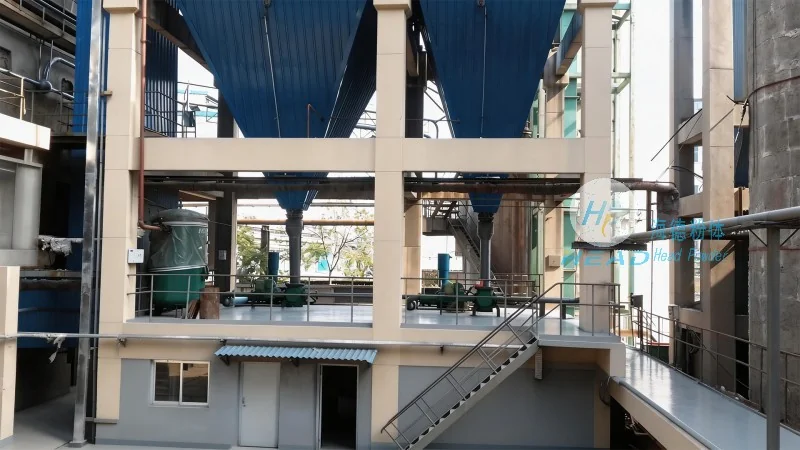
Core Components of a Petroleum Coke Powder Pneumatic Conveying System
The pneumatic conveying of petroleum coke powder involves a series of interconnected components designed to transport the material from a source to a destination under pressure. The primary components typically include a material feed system, a conveying line, a control unit, and a dust collection or filtration system. Each of these components plays a vital role in the overall operation and efficiency of the system.
Material Feed System
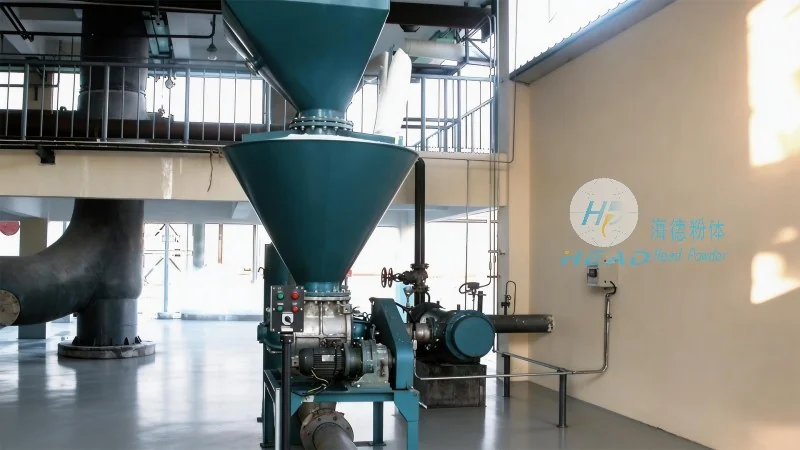
The material feed system is responsible for introducing the petroleum coke powder into the conveying line. This component may consist of a hopper or a feeder that ensures a consistent and controlled flow of the material. The design of the feed system is critical to prevent blockages and maintain the integrity of the powder during the feeding process. For applications involving petroleum coke powder, the feed system must be capable of handling the specific characteristics of the material, such as its density, flowability, and potential for dust generation.
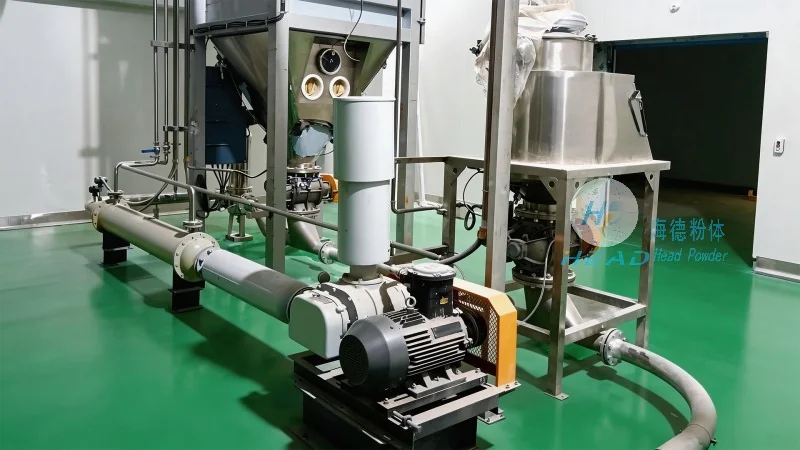
Conveying Line and Air Supply
The conveying line is the central part of the system where the petroleum coke powder is transported. It is typically made of metal or plastic tubing and is designed to withstand the pressure and abrasion caused by the material. The air supply system, which provides the necessary pressure to move the powder, is usually a blower or a compressor. The choice of air supply equipment depends on the distance and volume of material to be conveyed, as well as the required flow rate. The pressure and velocity of the air are carefully controlled to ensure that the powder is conveyed efficiently without causing excessive wear or degradation of the material.
Control Unit and Monitoring Systems
A control unit is essential for managing the operation of the pneumatic conveying system. It regulates the flow of air and material, monitors pressure and flow rates, and can detect any abnormalities or blockages in the system. Modern control units often incorporate advanced sensors and automation technologies to enhance the system's performance and reliability. For instance, pressure sensors can be used to monitor the pressure within the conveying line, while flow meters can track the volume of material being transported. These monitoring systems help operators to maintain optimal conditions and troubleshoot any issues that may arise during operation.
Dust Collection and Filtration
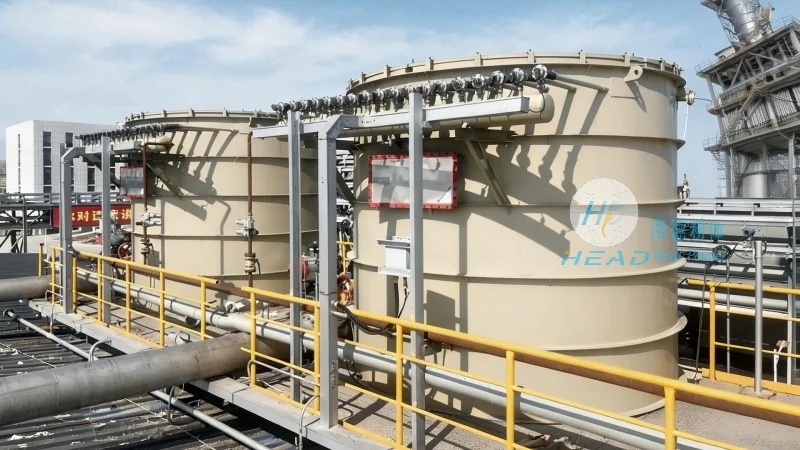
Due to the fine nature of petroleum coke powder, dust generation is a common issue during pneumatic conveying. To address this, a dust collection and filtration system is typically integrated into the design. This system captures the airborne particles and filters them to prevent contamination and ensure compliance with environmental regulations. The filtration system may include cyclones, bag filters, or cartridge filters, depending on the specific requirements of the application. Proper maintenance of the filtration equipment is crucial to maintain the efficiency of the system and prevent dust accumulation in the environment.
Additional Components and Considerations
Beyond the core components mentioned above, a petroleum coke powder pneumatic conveying system may include additional elements such as surge hoppers, expansion joints, and safety valves. Surge hoppers help to regulate the flow of material and prevent overloading of the system, while expansion joints accommodate thermal expansion and movement in the conveying line. Safety valves are installed to release excess pressure and prevent damage to the system in case of overpressurization. These additional components contribute to the overall safety and longevity of the system.
In summary, the pneumatic conveying of petroleum coke powder is a complex process that requires a well-designed system with multiple components working in harmony. The expertise of companies like Shandong HeadPowder Engineering Co., Ltd. is essential in ensuring that the system is tailored to the specific needs of the application, providing efficient and reliable material handling solutions.