

What is Fish Meal Pneumatic Conveying? An Introduction to Powder Handling System Working Principles
For those in the feed and animal nutrition industry, understanding the efficient handling of fish meal is crucial. Pneumatic conveying, a key technology in powder handling, offers a solution to the challenges of transporting fish meal. This article explores the concept of fish meal pneumatic conveying and the working principles of powder handling systems, with insights from Shandong HeadPowder Engineering Co., Ltd., a leading provider based in Shandong, China.
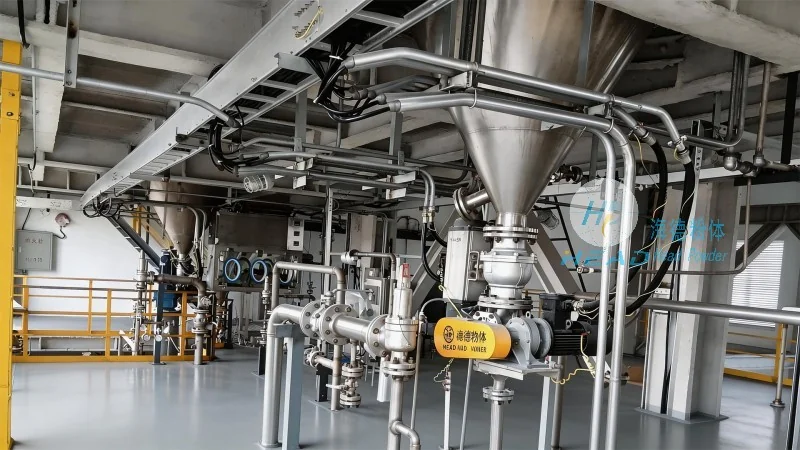
Introduction to Fish Meal Pneumatic Conveying
Fish meal is a vital component in animal feed, rich in protein and nutrients. However, its handling requires specialized equipment due to its fine particle size and potential for dust generation. Pneumatic conveying, also known as pneumatic transport, is a method that uses air to move bulk materials like fish meal through a pipeline. This technology eliminates the need for mechanical components such as belts or buckets, reducing maintenance and increasing safety.
Working Principles of Powder Handling Systems
The core of a pneumatic conveying system is the transfer of material using compressed air. The process typically involves a series of steps: material is first fed into a hopper, then drawn into a pipeline by a vacuum or pressure source. The air and material mixture travels through the pipeline to the destination, where the material is separated from the air and deposited. The system can operate under either negative pressure (vacuum) or positive pressure (pressure), each with its own advantages depending on the application.
Key Components of a Pneumatic Conveying System
Several components work together to ensure the efficient operation of a pneumatic conveying system. These include:
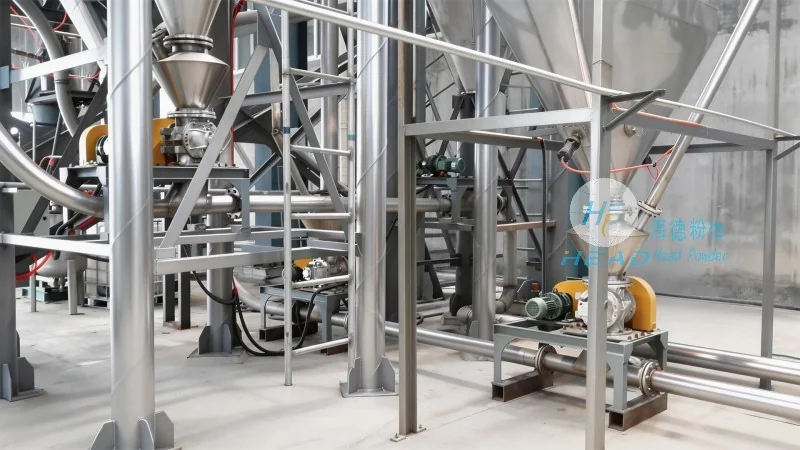
- Hoppers and Feeders: Hoppers store the fish meal and feeders control the flow rate into the system.
- Pumps or Blowers: These provide the necessary air pressure or vacuum to move the material. In vacuum systems, a vacuum pump creates the suction, while in pressure systems, a blower supplies compressed air.
- Pipelines: The material and air travel through these pipelines, which are designed to handle the specific characteristics of fish meal, such as particle size and moisture content.
- Separators: At the end of the pipeline, separators use cyclonic action or other methods to separate the fish meal from the air, ensuring the material is deposited cleanly.
- Filters: To capture any residual dust or particles, filters are used to protect the environment and maintain system efficiency.
Each component is critical to the overall performance and reliability of the system. Proper selection and maintenance of these parts are essential for consistent operation.
Applications in the Fish Meal Industry
In the fish meal processing and handling industry, pneumatic conveying systems are widely used for various applications. These include:
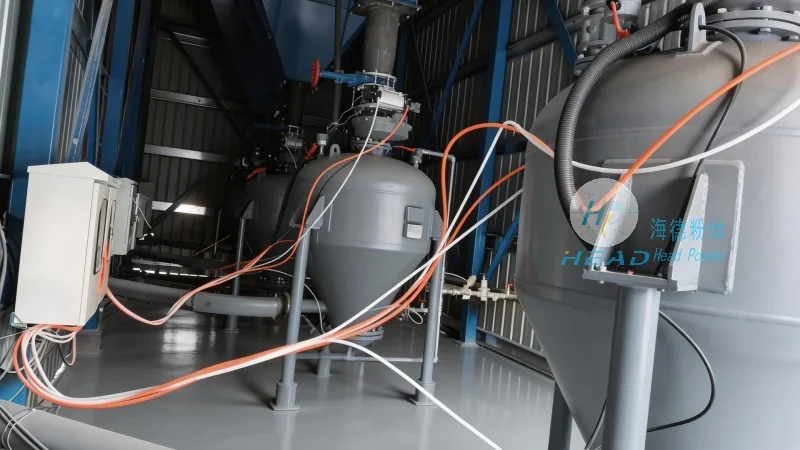
- Transporting fish meal from storage silos to processing plants.
- Transferring fish meal between different processing stages, such as grinding and mixing.
- Delivering finished fish meal products to packaging lines or storage areas.
- Handling raw materials or byproducts within the fish meal production facility.
By using pneumatic conveying, companies can achieve a more streamlined and automated process, reducing labor costs and improving product quality.
Advantages of Pneumatic Conveying for Fish Meal
Compared to traditional mechanical conveying methods, pneumatic conveying offers several advantages for fish meal handling:
- Reduced Dust and Contamination: The enclosed system minimizes dust exposure, which is beneficial for both worker health and product purity.
- Lower Maintenance: With fewer moving parts, the system requires less maintenance and has a longer service life.
- Flexibility in Layout: Pneumatic systems can be easily reconfigured to accommodate changes in production processes or facility layout.
- Improved Safety: The enclosed design reduces the risk of material spillage and exposure to hazardous dust.
- Energy Efficiency: Modern systems are designed to be energy-efficient, reducing operational costs.
These benefits make pneumatic conveying an attractive option for fish meal manufacturers looking to enhance their operations.