

What is Wood Powder Pneumatic Conveying? An Introduction to the Working Principle of Powder Handling
Wood powder pneumatic conveying is a critical technology in the processing and transportation of wood-based powders. This method involves the use of air or gas to transport dry powders, such as wood flour or sawdust, through a pipeline system. The process is essential for industries that rely on efficient and reliable powder handling, including woodworking, furniture manufacturing, and biomass energy production. By understanding the fundamental principles of this system, businesses can optimize their material handling operations and enhance overall productivity.
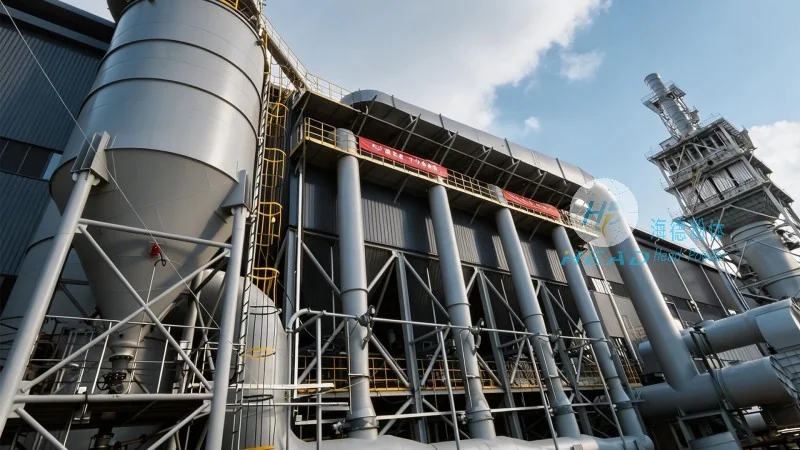
Key Components and Working Principle of Pneumatic Conveying Systems
The operation of a wood powder pneumatic conveying system relies on several key components that work in tandem to move the material. At the heart of the system is the material feed hopper, which stores and feeds the wood powder into the conveying line. A blower or compressor provides the necessary air pressure to create a flow of air through the pipeline. The powder is then introduced into the air stream, typically via a venturi or a rotary valve, where it is suspended and carried along the pipeline to the destination point. The system may include additional components like filters, cyclones, or silos to separate the powder from the air and store it in a controlled manner.
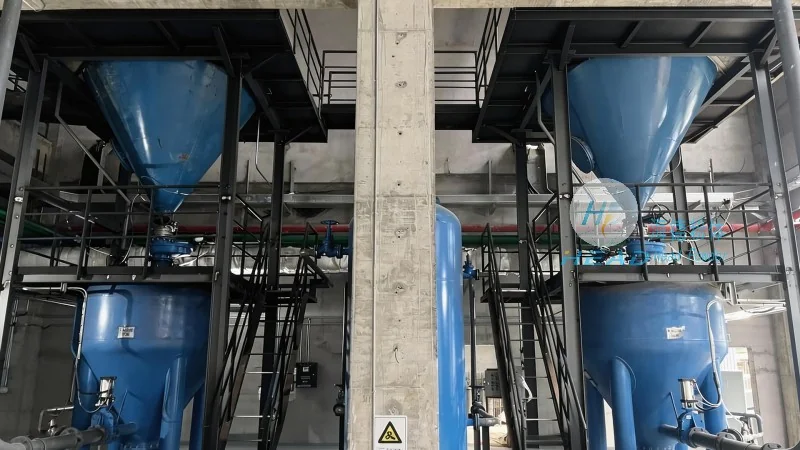
Advantages of Pneumatic Conveying for Wood Powders
Implementing a pneumatic conveying system for wood powders offers numerous advantages over traditional methods like bucket elevators or belt conveyors. One of the primary benefits is the ability to transport powders in a closed system, which minimizes dust emissions and improves workplace safety. This is particularly important in environments where wood dust can be a health hazard or cause fire risks. Additionally, pneumatic conveying systems can handle a wide range of powder characteristics, including varying particle sizes and moisture content, without the need for extensive modifications. The flexibility of these systems allows for easy integration into existing production lines and the ability to transport materials over long distances with minimal energy consumption.
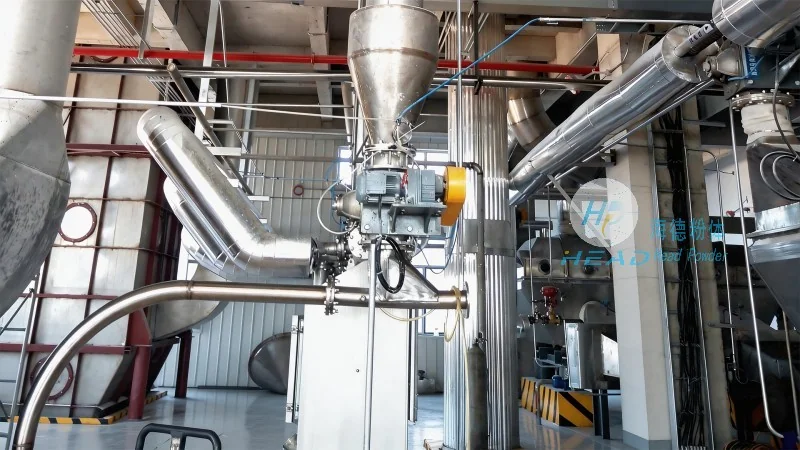
Applications in the Wood Processing Industry
The applications of wood powder pneumatic conveying are widespread across the wood processing sector. In woodworking facilities, these systems are used to transport wood flour from grinding mills to storage silos or directly to mixing stations for composite board production. In furniture manufacturing, they help move sawdust and fine powders to waste processing units or recycling systems. For biomass energy producers, pneumatic conveyors are crucial for transporting wood pellets or sawdust from storage areas to combustion or gasification plants. Each application leverages the efficiency and reliability of the system to streamline material flow and reduce operational costs.
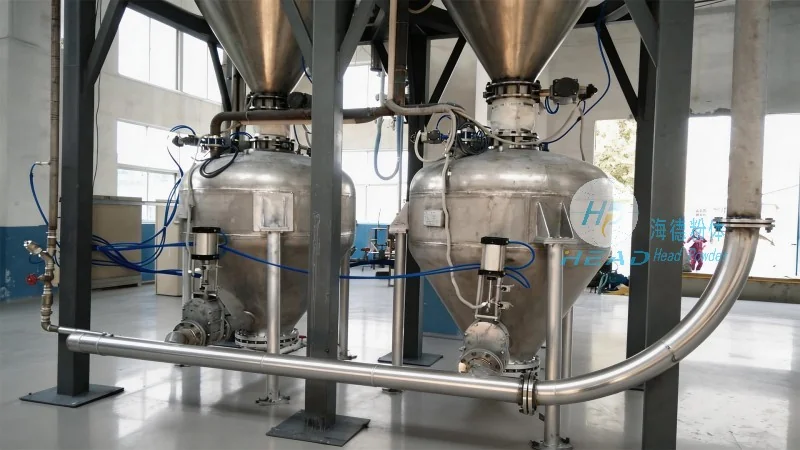
Company Overview: Shandong HeadPowder Engineering Co., Ltd.
Shandong HeadPowder Engineering Co., Ltd., commonly known as HeadPowder, is a leading provider of specialized engineering solutions for powder handling and material transportation. With a focus on innovation and customer-centric design, HeadPowder has established itself as a trusted partner in the wood processing and related industries. The company's expertise lies in the design, manufacturing, and installation of pneumatic conveying systems tailored to the unique needs of each client. HeadPowder's team of engineers and technicians brings extensive experience in powder technology, ensuring that every system is optimized for performance, durability, and safety. The company operates from its headquarters in Shandong, China, where it serves a global clientele with customized solutions that meet international standards.