

What is Soybean Meal Pneumatic Conveying? An Introduction to the Working Principle of Powder Handlin
Understanding the fundamentals of soybean meal pneumatic conveying is crucial for industries that rely on efficient powder handling. This article delves into the working principles of such systems, highlighting how they streamline the transport of soybean meal and other fine powders. By exploring the mechanics and benefits, readers gain insights into modern powder handling technologies.
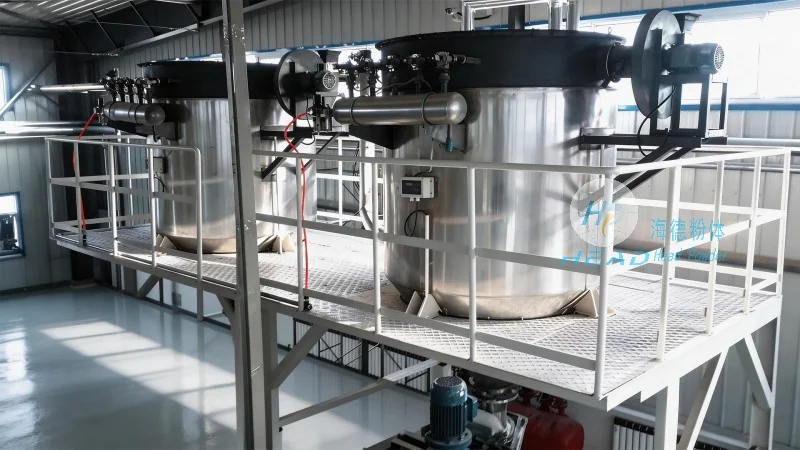
Introduction to Soybean Meal Pneumatic Conveying
Soybean meal, a byproduct of soybean oil extraction, is widely used in animal feed and industrial applications. Transporting this fine powder efficiently while maintaining quality is a key challenge for manufacturers. Pneumatic conveying systems offer a solution by using air to move the material through pipelines, eliminating the need for mechanical components like belts or buckets. This method not only enhances safety but also reduces maintenance costs and improves operational efficiency.
HeadPowder: A Leader in Powder Handling Solutions
Shandong HeadPowder Engineering Co., Ltd., based in China, specializes in designing and manufacturing advanced powder handling systems. With years of experience in the industry, HeadPowder has developed cutting-edge pneumatic conveying technologies tailored to the needs of food processing, agriculture, and chemical sectors. The company's commitment to innovation ensures that their systems meet the highest standards of performance and reliability.
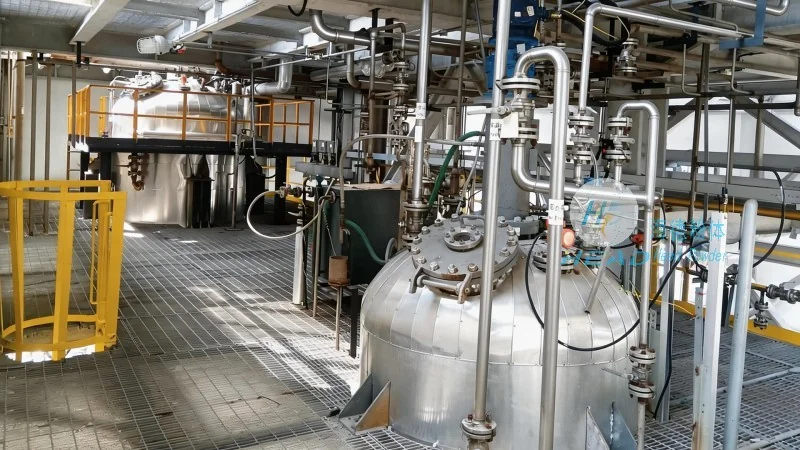
The Working Principle of Pneumatic Conveying Systems
Pneumatic conveying systems operate on the principle of using compressed air to create a flow of material through a pipeline. There are two main types: dilute-phase and dense-phase systems. Dilute-phase systems use low air velocity to transport the powder, making them suitable for long-distance and high-capacity applications. Dense-phase systems, on the other hand, use higher air pressure and lower velocity to move the material in a more controlled manner, ideal for delicate or sensitive powders like soybean meal.
Key Components of a Soybean Meal Pneumatic Conveying System
At the core of any pneumatic conveying system are several critical components that work in tandem to ensure smooth operation. These include the air compressor, which provides the necessary pressure; the feed hopper, which holds the soybean meal and controls the flow; the conveying line, which transports the material; and the receiver, which collects the material at the destination. Each component plays a vital role in maintaining the system's efficiency and effectiveness.
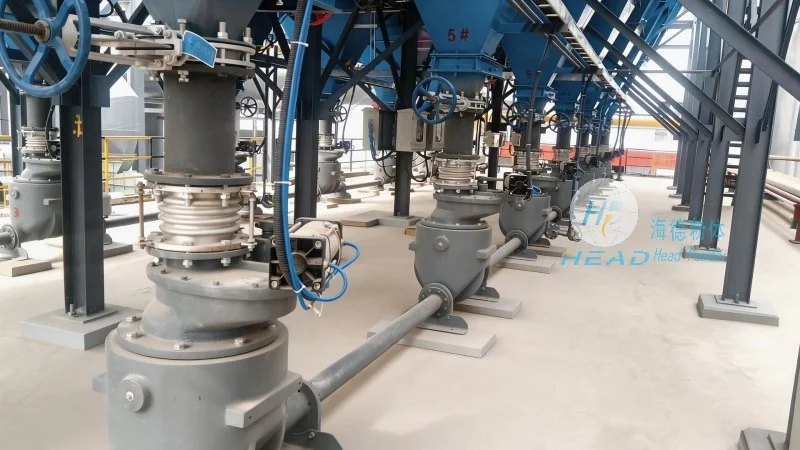
Benefits of Using Pneumatic Conveying for Soybean Meal
Implementing pneumatic conveying systems for soybean meal offers numerous advantages. Firstly, it minimizes product contamination and degradation, as the material is not in direct contact with mechanical parts. Secondly, it reduces labor costs and operational downtime by automating the transport process. Additionally, these systems are highly adaptable, allowing for easy integration into existing production lines and future expansion. The environmental benefits are also significant, as they eliminate the need for dust collection systems associated with traditional bulk handling methods.
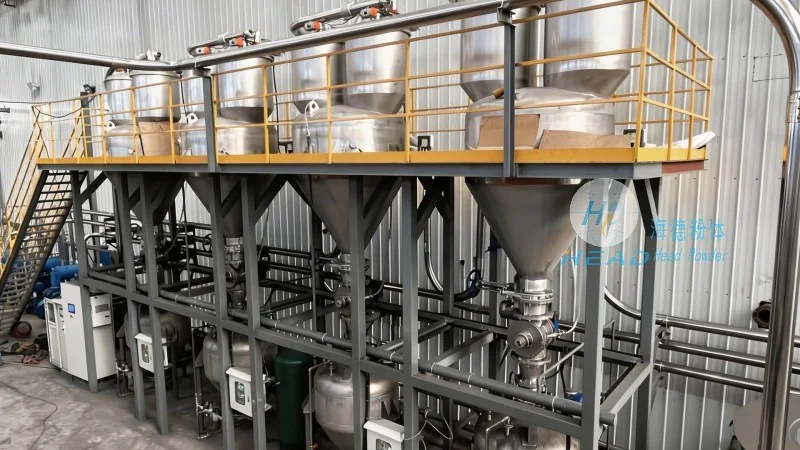
Applications in the Food and Agricultural Industry
Soybean meal is a vital ingredient in animal feed, and the efficiency of its transport directly impacts the overall productivity of feed mills. Pneumatic conveying systems are widely used in these facilities to move soybean meal from storage silos to processing equipment, ensuring a consistent and uninterrupted supply. The technology is also applied in other agricultural applications, such as transporting fertilizer or other agricultural powders, where reliability and hygiene are paramount.
Conclusion: The Future of Powder Handling
As industries continue to seek more efficient and sustainable solutions, pneumatic conveying systems, particularly for soybean meal, remain a cornerstone of modern powder handling. With advancements in technology and the expertise of companies like Shandong HeadPowder Engineering Co., Ltd., these systems are becoming more efficient, cost-effective, and environmentally friendly. Understanding the working principles and benefits of such systems is essential for any business involved in the handling of fine powders, ensuring optimal performance and long-term success.