

What is Desulfurization Fly Ash Pneumatic Conveying? Introduction to the Working Principle of Powder
Desulfurization fly ash, a byproduct of flue gas desulfurization processes in power plants, requires efficient handling and transportation for reuse or disposal. Pneumatic conveying systems offer a reliable solution for moving this fine powder, ensuring safety, efficiency, and environmental compliance. This article explores the working principles of such systems, highlighting their importance in industrial applications.
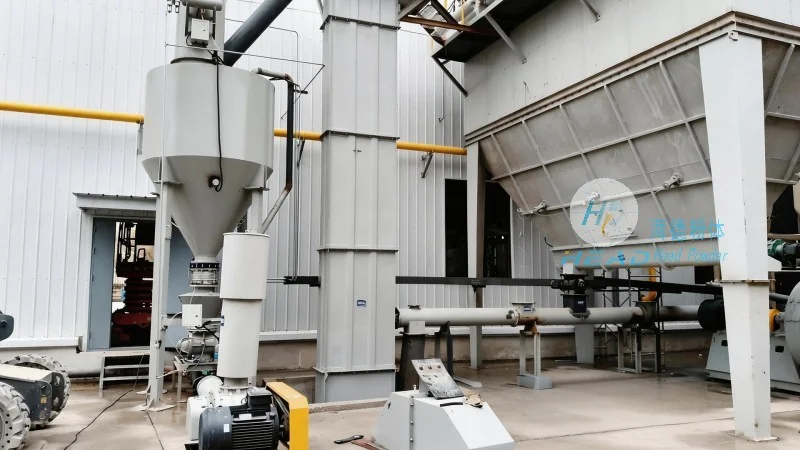
HeadPowder: Your Expert in Powder Handling Solutions
HeadPowder, operating as Shandong HeadPowder Engineering Co., Ltd., based in Shandong, China, specializes in designing and manufacturing advanced pneumatic conveying systems tailored to the unique needs of industrial clients. With a focus on innovation and durability, our systems are engineered to handle the challenges of transporting desulfurization fly ash and other fine powders with precision and reliability.
The Core Components of Pneumatic Conveying Systems
A pneumatic conveying system for desulfurization fly ash typically consists of several key components that work in tandem to ensure smooth material transport. The primary elements include a material hopper or feeder, a conveying line (often equipped with airlocks or rotary valves), a compressor or blower to generate the necessary air pressure, and a receiver or discharge unit. Each component plays a critical role in maintaining the system's efficiency and preventing material degradation or blockages.
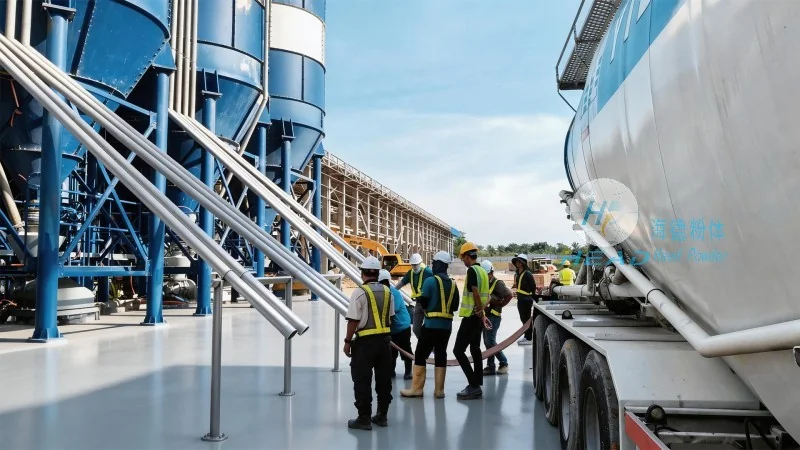
How Pneumatic Conveying Works: A Step-by-Step Process
The operation of a pneumatic conveying system for desulfurization fly ash involves a sequence of actions that ensure the material is transported from the source to the destination. First, the fly ash is fed from the hopper into the conveying line via an airlock or rotary valve, which controls the flow rate and prevents backflow. Simultaneously, the compressor or blower generates high-pressure air that is introduced into the conveying line. The air and material mixture travels through the pipeline, with the air providing the necessary force to move the fine powder. The system may include bends, filters, or cyclones to separate the material from the air at the receiver end, where the fly ash is deposited. This process is continuous and can be adjusted to handle varying material volumes and distances.
Advantages of Pneumatic Conveying for Desulfurization Fly Ash
Compared to traditional methods like belt conveyors or bucket elevators, pneumatic conveying offers several advantages for handling desulfurization fly ash. These include the ability to transport materials in a closed system, minimizing dust emissions and environmental impact. The system also provides flexibility in terms of layout, as it can be installed in various configurations to fit the plant's space constraints. Additionally, pneumatic conveying reduces the risk of material contamination and can handle materials with high moisture content or abrasive properties, making it suitable for industrial applications where reliability and efficiency are paramount.
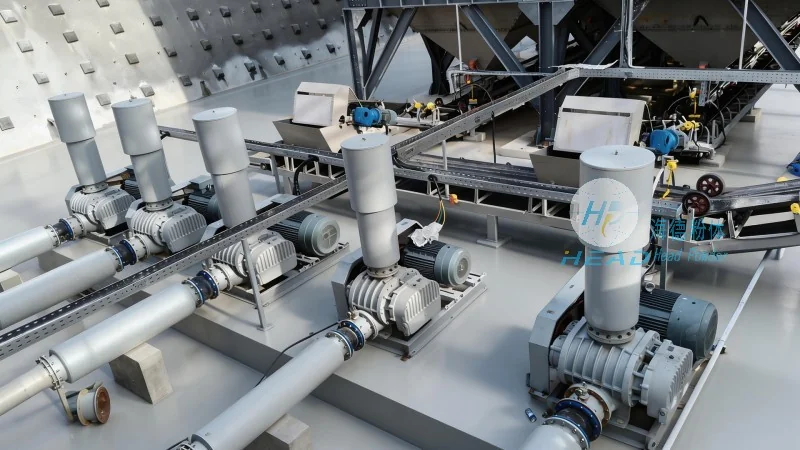
Applications and Industries
Desulfurization fly ash pneumatic conveying systems are widely used in power generation, cement production, and other industrial sectors where large volumes of fine powders need to be transported. In power plants, the system helps in recycling fly ash for use as a raw material in cement production, reducing waste and improving resource utilization. In cement plants, the system ensures the consistent supply of fly ash to the production line, enhancing the quality and efficiency of the manufacturing process. Other industries, such as chemical and pharmaceutical manufacturing, also benefit from the precision and control offered by pneumatic conveying systems for handling fine powders.
Conclusion: The Role of Advanced Pneumatic Conveying Systems
Desulfurization fly ash pneumatic conveying systems are essential for the efficient and safe handling of fine powders in industrial applications. By understanding the working principles and advantages of these systems, industries can optimize their material transport processes, reduce operational costs, and enhance environmental compliance. As a leading provider of powder handling solutions, HeadPowder continues to innovate and deliver high-quality systems that meet the evolving needs of its clients, ensuring reliable and sustainable operation in the power and manufacturing sectors.