

What Methods Can Be Used for the Transportation of Wet Sodium Nitrate?
Wet sodium nitrate, a critical industrial chemical, requires efficient and reliable transportation methods to ensure safe and timely delivery. The choice of transportation method depends on several factors, including the volume of the material, the distance to be covered, and the specific handling requirements. This article explores the various options available for transporting wet sodium nitrate, providing insights into the practical considerations and operational aspects of each approach.
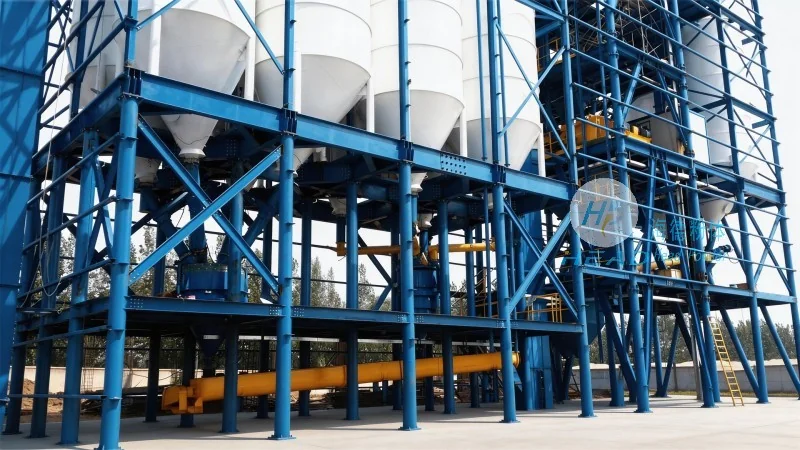
Key Considerations for Selecting Transportation Methods
Before determining the most suitable transportation method for wet sodium nitrate, it is essential to evaluate key factors that influence the decision-making process. These factors include the physical properties of the material, such as its moisture content and potential for caking, as well as the environmental and regulatory constraints of the transport route. Additionally, the scale of the operation—whether it involves bulk shipments or smaller, more frequent deliveries—plays a significant role in selecting the appropriate mode of transport. By carefully assessing these considerations, companies can optimize their logistics and minimize risks associated with wet sodium nitrate transportation.
Common Transportation Methods for Wet Sodium Nitrate
Several transportation methods are commonly employed for wet sodium nitrate, each with its own advantages and limitations. The primary options include bulk trucks, railcars, and specialized vessels, with each method tailored to different operational needs. Bulk trucks are widely used for shorter distances and smaller to medium-sized shipments, offering flexibility and direct delivery to the customer's location. Railcars, on the other hand, are ideal for long-distance transport, particularly when moving large volumes of wet sodium nitrate across regions. Specialized vessels, such as tankers or bulk carriers, are often used for maritime transport, providing an economical solution for international or coastal deliveries. Each method requires specific equipment and handling protocols to maintain the integrity of the wet sodium nitrate and ensure compliance with safety standards.
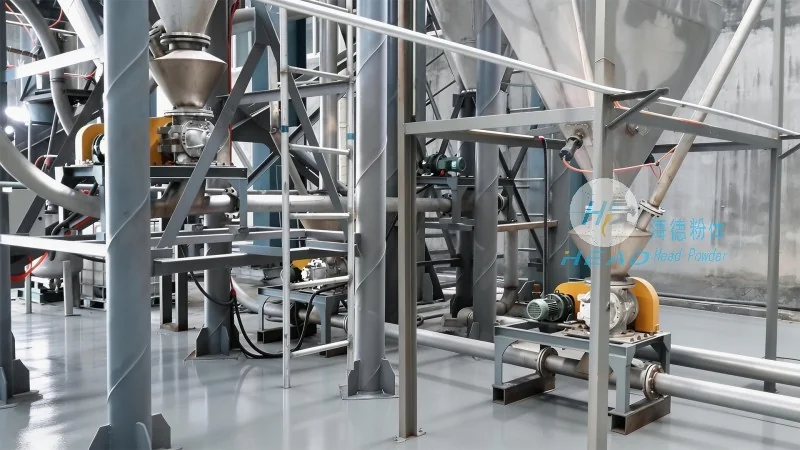
Equipment and Handling Requirements
Proper equipment and handling procedures are crucial for the safe transportation of wet sodium nitrate. The material's moisture content and tendency to clump or cake necessitate the use of specialized containers and transport vehicles. For bulk trucking, for example, tank trucks equipped with agitators or rotating drums are commonly used to prevent solidification during transit. Railcars may be fitted with similar agitation systems or covered hoppers to protect the material from environmental factors. In maritime transport, tankers are designed with internal coatings and anti-corrosion measures to withstand the chemical properties of wet sodium nitrate. Additionally, temperature control and moisture management systems are often integrated into the transport equipment to maintain the material's quality and prevent degradation. Proper training for operators and handlers is also essential to ensure that all safety protocols are followed throughout the transportation process.
Regulatory and Safety Compliance
Transporting wet sodium nitrate involves adherence to stringent regulatory and safety standards to mitigate risks and protect both personnel and the environment. Companies must comply with local and international regulations regarding the handling, storage, and transport of hazardous materials. This includes obtaining necessary permits, labeling containers appropriately, and implementing emergency response plans in case of spills or accidents. Safety measures such as proper ventilation, personal protective equipment (PPE), and regular equipment inspections are mandatory to minimize the risk of accidents. Additionally, environmental regulations may require specific disposal or containment procedures for any spills or waste generated during transportation. By adhering to these standards, companies can ensure the safe and legal transportation of wet sodium nitrate while maintaining a positive reputation in the industry.
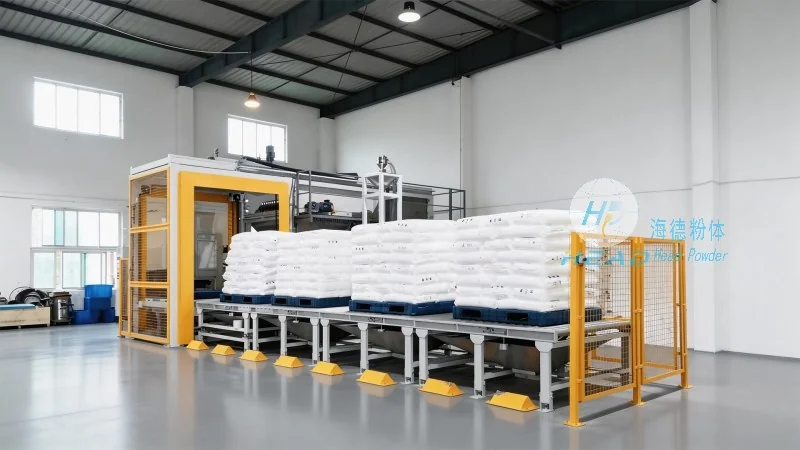
Case Study: Successful Implementation by Shandong HeadPowder Engineering Co., Ltd.
Shandong HeadPowder Engineering Co., Ltd., a leading provider of industrial solutions, has successfully implemented various transportation methods for wet sodium nitrate. The company specializes in designing and manufacturing customized transport equipment tailored to the unique needs of its clients. For instance, a recent project involved the bulk transportation of wet sodium nitrate from a production facility in Shandong, China, to a client in the Midwest United States. By utilizing a combination of rail and truck transport, the company optimized the logistics, reducing transit time and costs while ensuring the material remained in optimal condition. The project demonstrated the effectiveness of integrated transportation strategies and the importance of specialized equipment in maintaining the quality of wet sodium nitrate during transit. Shandong HeadPowder Engineering Co., Ltd. continues to innovate in transportation solutions, providing reliable and efficient services to its global clientele.
Conclusion
In conclusion, the transportation of wet sodium nitrate requires careful consideration of various factors, including the material's properties, operational scale, and regulatory requirements. By selecting the appropriate transportation method and implementing proper equipment and handling procedures, companies can ensure the safe and efficient delivery of wet sodium nitrate. Shandong HeadPowder Engineering Co., Ltd. plays a vital role in this process, offering expertise and customized solutions to meet the diverse needs of the industrial sector. As the demand for wet sodium nitrate continues to grow, the importance of reliable transportation methods will remain a key factor in the success of companies operating in this field.