

What is Cement Additive Pneumatic Conveying? An Introduction to the Working Principle of Powder Hand
Cement additive pneumatic conveying is a critical process in the cement manufacturing industry, enabling efficient and reliable transportation of various powder materials. This technology plays a vital role in optimizing production lines and ensuring consistent quality in cement production. The following article provides a detailed overview of the working principles and applications of pneumatic conveying systems, particularly focusing on the handling of cement additives.
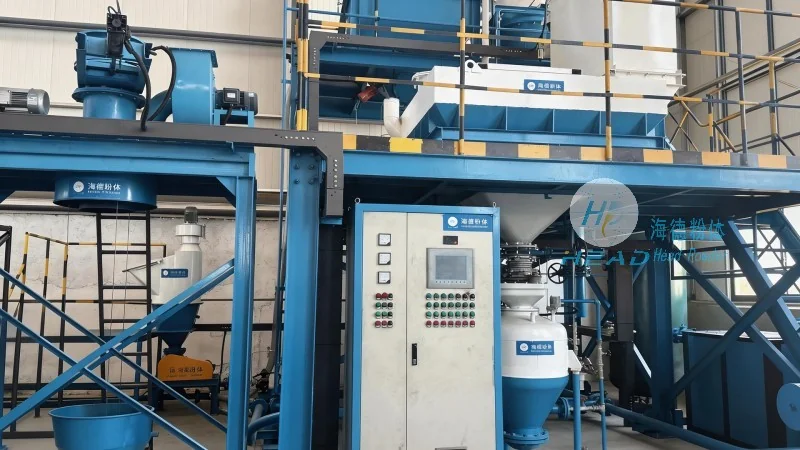
Introduction to Cement Additive Pneumatic Conveying
Pneumatic conveying, also known as powder handling systems, involves the use of air or gas to transport bulk powders through a pipeline network. In the context of cement production, this method is widely used to move cement additives such as limestone, gypsum, and fly ash from storage silos to the cement grinding mills. The efficiency of this process directly impacts the overall productivity and cost-effectiveness of the cement manufacturing plant.
Understanding Pneumatic Conveying Systems
The core components of a pneumatic conveying system include a hopper, a feeder, a conveying line, and a receiver. The system operates by creating a pressure differential between the hopper and the receiver, which draws the powder into the pipeline using air or gas. There are two main types of pneumatic conveying: pressure and vacuum systems. Pressure systems use compressed air to push the powder, while vacuum systems use a vacuum to pull the powder. For cement additives, both types are commonly employed depending on the distance and material characteristics.
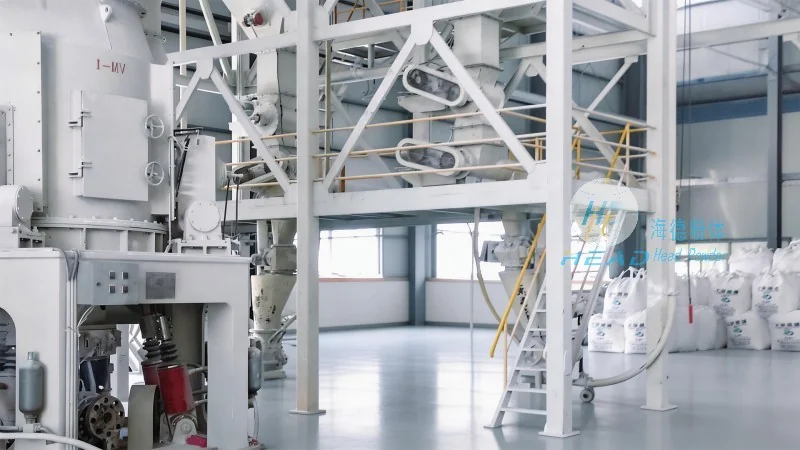
The Role of Cement Additives in Pneumatic Conveying
Cement additives are essential components that modify the properties of cement, such as setting time, strength, and workability. Common additives include limestone, which is used to adjust the cement's fineness and reduce the energy consumption during grinding. Gypsum is added to control the setting time of cement, preventing premature hardening. Fly ash, a byproduct of coal combustion, is used as a supplementary cementitious material to improve the durability and reduce the cost of cement. The efficient transportation of these additives is crucial for maintaining the quality and consistency of the final cement product.
Working Principle of Powder Handling Systems
The working principle of a typical pneumatic conveying system for cement additives involves several key steps. First, the powder is stored in a silo or hopper. Then, a feeder, such as a rotary valve or a screw feeder, meters the powder into the conveying line. Next, a blower or compressor generates the necessary air flow to transport the powder. The powder is carried by the air stream through the pipeline to the receiver, where it is collected and discharged. The system's design, including the pipeline diameter, length, and the type of air flow (e.g., dilute phase or dense phase), significantly affects the conveying efficiency and material handling performance.
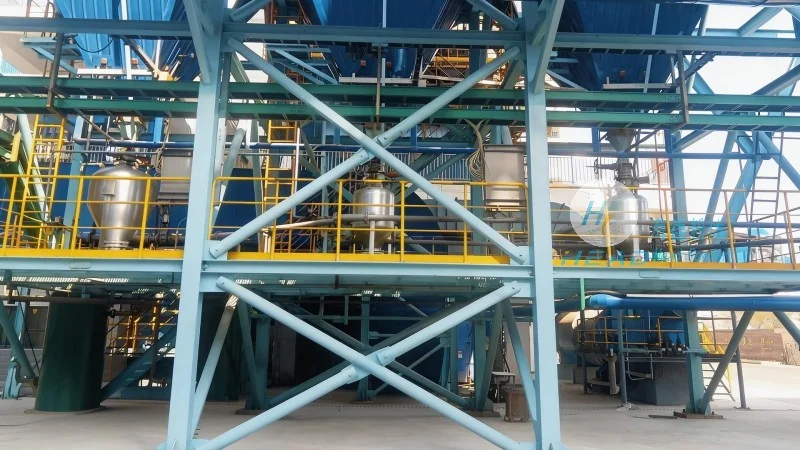
Technical Aspects and Applications
Several technical aspects need to be considered when designing and implementing a pneumatic conveying system for cement additives. These include the material's flow properties, such as angle of repose and bulk density, which influence the feeder selection and pipeline design. The system's capacity and pressure requirements are determined based on the production rate and the distance between the storage and processing areas. Additionally, the system must be equipped with proper dust collection and filtration to ensure environmental compliance and maintain air quality. In practice, pneumatic conveying systems are widely used in cement plants to handle various additives, including limestone, gypsum, and fly ash, with capacities ranging from a few tons per hour to several hundred tons per hour.
Company Profile: Shandong HeadPowder Engineering Co., Ltd.
Shandong HeadPowder Engineering Co., Ltd., commonly known as HeadPowder, is a leading manufacturer and supplier of powder handling equipment and systems. HeadPowder specializes in the design, manufacturing, and installation of pneumatic conveying systems tailored for the cement industry. With a strong focus on innovation and quality, HeadPowder provides comprehensive solutions for efficient cement additive transportation. The company is headquartered in Shandong, China, and serves clients globally with advanced technology and reliable products. HeadPowder's commitment to customer satisfaction and technical excellence has established it as a trusted partner in the cement manufacturing sector.