

What is Calcium Oxide Dry Powder Pneumatic Conveying? An Introduction to the Working Principle of Po
Calcium oxide, commonly known as quicklime, is a widely used chemical compound in various industrial applications. When it comes to transporting this fine powder efficiently and safely, pneumatic conveying systems have emerged as a reliable solution. This article delves into the concept of calcium oxide dry powder pneumatic conveying, explaining the fundamental working principles behind such powder handling systems.
Understanding Calcium Oxide and Its Handling Challenges
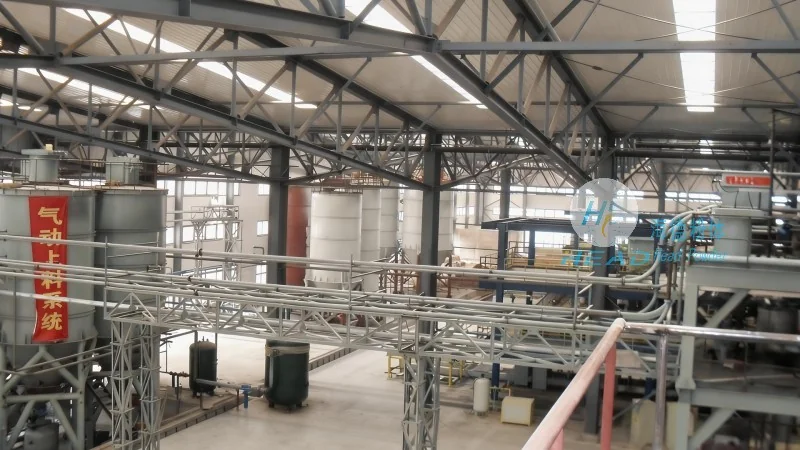
Calcium oxide (CaO) is a white, caustic, and highly reactive substance that is often produced through the calcination of limestone. Its fine particle size and chemical properties make it challenging to handle using traditional methods like bulk bags or conveyor belts. The dust generated during manual handling can pose health risks, and the material's reactivity requires careful control to prevent caking or degradation. Therefore, specialized pneumatic conveying systems are essential for the safe and efficient transport of calcium oxide powder.
About HeadPowder: A Leader in Powder Handling Solutions
HeadPowder, operating as Shandong HeadPowder Engineering Co., Ltd., is a prominent manufacturer and supplier of advanced powder handling equipment. With a strong presence in China, particularly in Shandong province, the company specializes in designing, manufacturing, and installing pneumatic conveying systems tailored to the unique needs of industrial clients. HeadPowder's expertise lies in creating customized solutions that ensure the safe, efficient, and cost-effective transport of various powders, including calcium oxide, across different industrial sectors.
The Working Principle of Pneumatic Conveying Systems
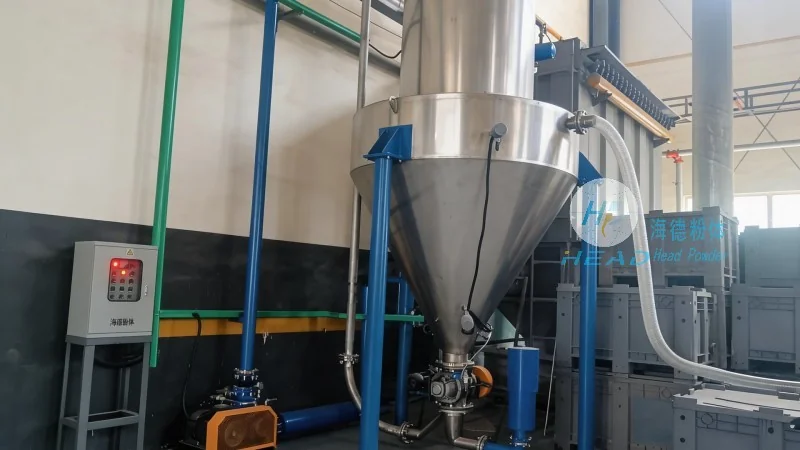
Pneumatic conveying systems utilize compressed air or gas to transport dry powders through a pipeline network. The core components of such a system typically include a hopper for material storage, a feeder to control the flow rate, a conveying line (often equipped with bends and filters), and a receiver for the discharged material. The process begins when the feeder releases calcium oxide powder into the conveying line, where it is entrained by the high-velocity air stream. This air-powder mixture travels through the pipeline, overcoming gravitational and frictional forces to reach the destination point. At the receiving end, the air is separated from the powder, often through a cyclone or filter, and the purified air is either vented or recycled back into the system.
Key Advantages of Calcium Oxide Dry Powder Pneumatic Conveying
Implementing pneumatic conveying for calcium oxide offers several advantages over traditional methods. Firstly, it eliminates the need for manual handling, significantly reducing the risk of dust exposure and associated health hazards. Secondly, the enclosed system prevents material contamination and loss, ensuring product integrity throughout the transport process. Thirdly, pneumatic conveying systems can achieve high transport velocities, allowing for rapid and continuous material movement, which enhances overall production efficiency. Additionally, these systems are adaptable to different plant layouts and can handle varying powder flow rates, making them suitable for both small-scale and large-scale industrial applications.
Applications and Industrial Use Cases
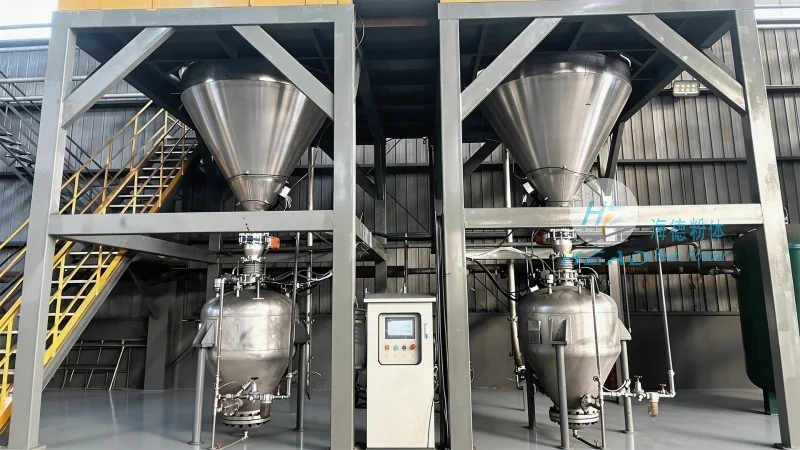
Calcium oxide dry powder pneumatic conveying is widely used in industries such as chemical manufacturing, food processing, and construction. In chemical plants, it facilitates the transport of quicklime from storage silos to reaction vessels, ensuring a steady supply of raw material for processes like slaking or further chemical reactions. In the food industry, the system can be used to convey calcium oxide for applications like food fortification or as a processing aid. In construction, it supports the transport of lime for mortar production or soil stabilization projects. The versatility of pneumatic conveying systems makes them an indispensable tool for industries requiring reliable and efficient powder handling solutions.
Conclusion
Calcium oxide dry powder pneumatic conveying represents a sophisticated and efficient method for transporting this critical industrial material. By leveraging the principles of pneumatic conveying, industries can achieve safe, clean, and high-performance material handling. With companies like Shandong HeadPowder Engineering Co., Ltd. (HeadPowder) providing advanced solutions, the adoption of such systems continues to grow, meeting the evolving demands of modern industrial operations. The technology not only addresses the challenges associated with handling calcium oxide but also contributes to improved operational efficiency and workplace safety.