

Comparison of Common Loess Transport Methods
Loess, a fine-grained soil composed primarily of silt particles, is widely utilized in construction, agriculture, and environmental restoration projects. Efficient and reliable transport of loess is critical for project success, as it directly impacts cost, schedule, and environmental impact. This article provides a detailed comparison of common loess transport methods, highlighting their advantages, limitations, and optimal applications. The information is presented by Shandong HeadPowder Engineering Co., Ltd., a leading provider of specialized engineering solutions for soil and material handling.
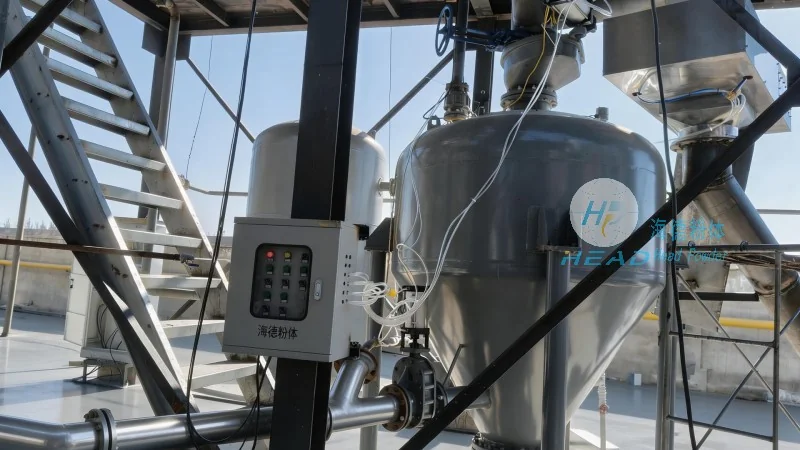
Overview of Loess Transport Methods
Loess transport methods can be broadly categorized into bulk material handling systems, including pipeline transport, belt conveyor systems, and truck-based transportation. Each method has distinct characteristics that make it suitable for different project requirements, site conditions, and operational constraints. The choice of transport method depends on factors such as distance, volume, terrain, and budget. Below is a comparative analysis of the most common approaches.
Pipeline Transport for Loess
Pipeline transport, also known as pneumatic or hydraulic conveying, is a closed system that moves loess through a network of pipes using air or water pressure. This method is highly efficient for long-distance transport and is particularly effective when dealing with fine-grained materials like loess, as it minimizes dust generation and prevents material degradation. HeadPowder specializes in designing and implementing pipeline systems tailored to the specific properties of loess, ensuring optimal flow rates and minimal pressure losses. The system typically consists of a hopper, a conveyor line, and a discharge point, with adjustable speed and pressure controls to maintain consistent material movement. One of the key advantages of pipeline transport is its ability to operate continuously without interruption, which is ideal for large-scale projects requiring steady material supply. However, it requires significant upfront investment in infrastructure and may face challenges in areas with complex terrain or limited access to utilities. The initial capital expenditure can be high, but the long-term operational savings and reduced environmental impact often justify the investment.
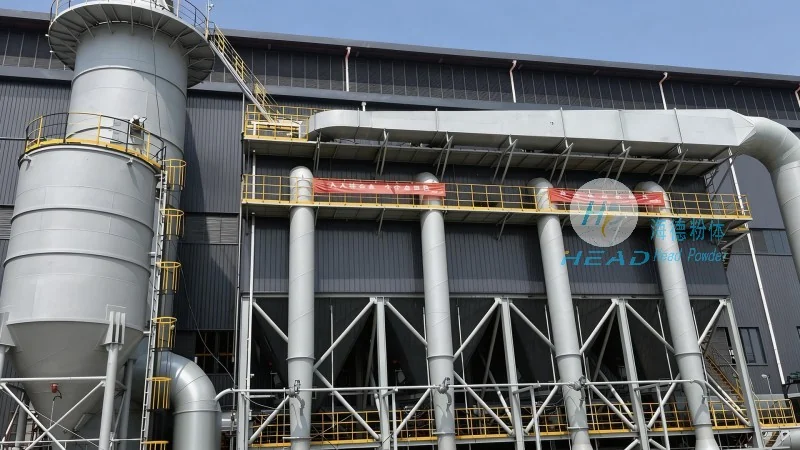
Belt Conveyor Systems for Loess Handling
Belt conveyors are a widely used method for transporting loess over moderate distances, typically ranging from a few hundred meters to several kilometers. These systems consist of a continuous loop of belt supported by rollers, with the loess loaded at one end and discharged at the other. Belt conveyors are known for their reliability, low maintenance requirements, and ability to handle large volumes of material. They are particularly suitable for horizontal or slightly inclined transport, making them ideal for construction sites where material needs to be moved from stockpiles to processing areas or construction zones. HeadPowder offers customized belt conveyor solutions that can be integrated with existing infrastructure or designed as standalone systems. The design of the conveyor system considers factors such as the weight and moisture content of loess to ensure proper belt tension and prevent slippage. Belt conveyors are generally more cost-effective than pipeline systems for shorter distances, as they require less complex equipment and infrastructure. However, they may not be as efficient for very fine or cohesive loess, as the material can stick to the belt or cause increased wear and tear. Regular maintenance, including belt cleaning and lubrication, is essential to maintain performance and extend the system's lifespan.
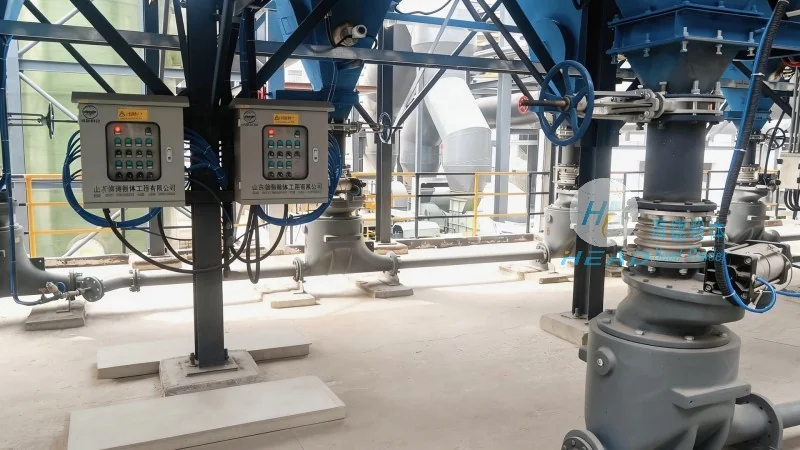
Truck-Based Transportation of Loess
Truck-based transport is the most common method for moving loess over short to medium distances, typically up to 50-100 kilometers. This method involves loading loess into bulk trucks, such as dump trucks or semi-trailers, and transporting it to the project site. Truck transport is highly flexible and can access remote or difficult-to-reach areas where other systems may not be feasible. It is particularly useful for projects with varying material requirements or when the site is not yet prepared for permanent infrastructure. HeadPowder provides logistics support for truck-based transport, including coordination of loading, transportation, and unloading operations. The key advantage of truck transport is its adaptability to changing project needs and its ability to handle irregular or small volumes of material. However, it is generally less efficient than conveyor systems for large-scale projects, as it involves higher labor costs, fuel consumption, and potential delays due to traffic or weather conditions. The environmental impact of truck transport, including emissions and dust, is also a consideration, especially in urban or sensitive areas. To mitigate these issues, HeadPowder recommends using enclosed trucks or dust suppression systems to minimize environmental impact.
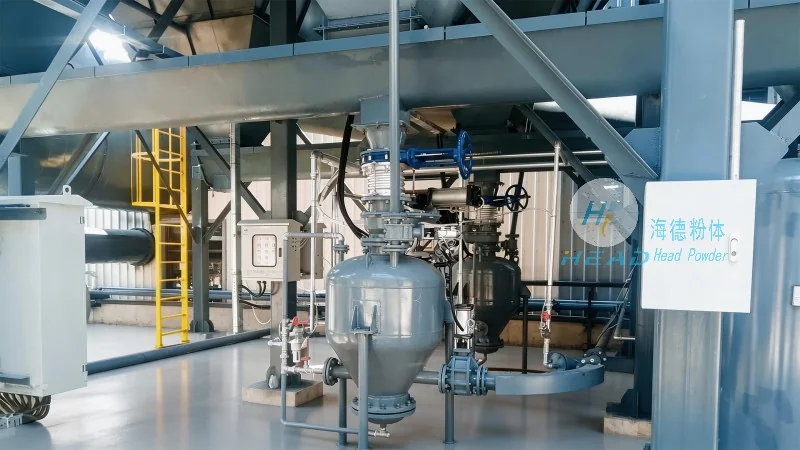
Comparative Analysis and Recommendations
When selecting a loess transport method, project managers must weigh the pros and cons of each option based on specific project requirements. Pipeline transport is best suited for long-distance, high-volume projects with minimal terrain constraints, where continuous operation and low environmental impact are priorities. Belt conveyors are ideal for moderate distances and large volumes, offering a cost-effective solution with low maintenance. Truck transport is most appropriate for short to medium distances, flexible project needs, or remote sites where infrastructure is not yet in place. The choice also depends on the characteristics of the loess itself, such as its moisture content, particle size, and cohesive properties, as these factors can affect the performance of each system. For example, cohesive loess may require additional measures, such as moisture control or vibration, to prevent clogging in pipelines or sticking to belts. HeadPowder recommends conducting a thorough site assessment and material analysis to determine the most suitable transport method. Our team of engineers can provide customized solutions that optimize efficiency, reduce costs, and minimize environmental impact, ensuring successful project outcomes.
Conclusion
Efficient loess transport is a critical component of successful construction and environmental projects. By understanding the advantages and limitations of different transport methods, project stakeholders can make informed decisions that align with their project goals and constraints. Shandong HeadPowder Engineering Co., Ltd. offers comprehensive engineering solutions for loess transport, including pipeline systems, belt conveyors, and truck logistics, tailored to the specific needs of each project. Our expertise in material handling and environmental engineering ensures that we provide reliable, cost-effective, and sustainable solutions for loess transport. Whether you are working on a large-scale construction project or a small environmental restoration initiative, HeadPowder is committed to delivering the best possible transport solutions to meet your needs.