

What is Phenolic Resin Powder Pneumatic Conveying? An Introduction to the Working Principle of Powde
Phenolic resin powder pneumatic conveying is a specialized method used in industrial applications to transport dry powder materials, such as phenolic resin, through a pipeline using air or other gas as the conveying medium. This technology is part of a broader category of powder handling systems that leverage pneumatic principles to move bulk materials efficiently and safely. The process involves creating a pressure differential within the system, which propels the powder particles through the pipeline. Understanding the working principle of such systems is crucial for optimizing material transport in various industrial settings.
Understanding Pneumatic Conveying Systems
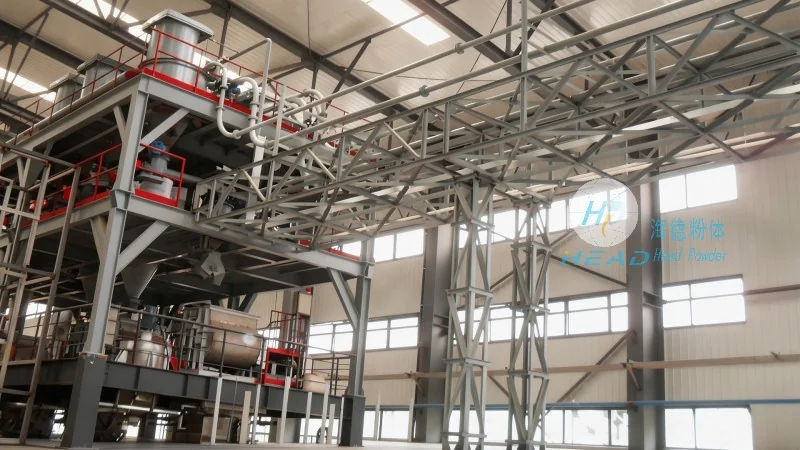
Pneumatic conveying systems operate by generating a flow of air or gas that carries the powder particles through a sealed pipeline. The system typically consists of a hopper or feeder, a conveying line, and a receiver or discharge point. The key components include a blower or compressor that provides the necessary air pressure, a control valve to regulate the flow, and a filter or separator to remove any entrained particles from the air stream. The entire system is designed to maintain a consistent flow rate and pressure, ensuring reliable material transport. For phenolic resin powder, which is often used in applications like adhesives, coatings, and composites, efficient handling is critical due to the material's properties, such as its density and potential for dust generation.
The Working Principle of Phenolic Resin Powder Pneumatic Conveying
The core of phenolic resin powder pneumatic conveying lies in the interaction between the powder particles and the air stream. When the system is activated, the blower creates a low-pressure zone at the inlet of the conveying line, while the outlet is under higher pressure or atmospheric conditions. This pressure differential causes the air to flow through the pipeline, picking up the powder from the hopper and transporting it to the destination. The velocity of the air is a critical factor; it must be sufficient to lift and carry the powder particles without causing excessive wear on the system components or degradation of the material. The system may use different conveying modes, such as dilute phase or dense phase, depending on the material characteristics and distance to be covered. Dilute phase conveying involves a higher air-to-powder ratio, suitable for shorter distances and lighter materials, while dense phase conveying uses a lower air-to-powder ratio, providing better control and reduced particle degradation for more sensitive materials like phenolic resin.
Key Components and Their Functions
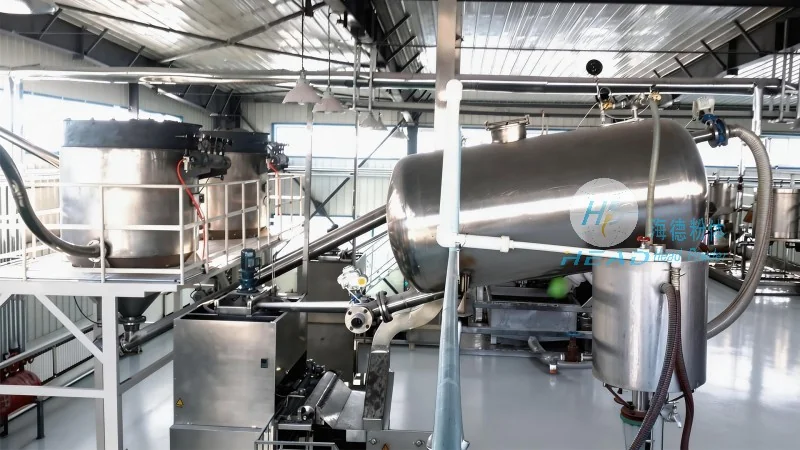
Several components work together to ensure the smooth operation of a phenolic resin powder pneumatic conveying system. The hopper or feeder is responsible for storing and feeding the powder into the system, maintaining a consistent flow rate. The blower or compressor generates the air pressure needed to move the material. The control valve regulates the air flow and pressure, allowing for adjustments based on the material's properties or system requirements. The conveying line, often made of materials like stainless steel or plastic, is designed to withstand the pressure and temperature of the system and prevent material leakage. The receiver or discharge point collects the transported powder and may include a filter or separator to clean the air before it is released back into the environment. In some systems, additional components like cyclones or bag filters are used to separate the powder from the air stream, ensuring that the material is delivered in a clean and dry state. For phenolic resin, which can be sensitive to moisture or contamination, these components are essential to maintain the material's quality and prevent degradation during transport.
Advantages of Phenolic Resin Powder Pneumatic Conveying
Phenolic resin powder pneumatic conveying offers several advantages over traditional bulk material handling methods. One of the primary benefits is the ability to transport materials in a closed system, which minimizes dust exposure and environmental contamination. This is particularly important for phenolic resin, which can be hazardous if inhaled or come into contact with skin. The closed system also helps maintain the material's quality by preventing exposure to moisture or other contaminants. Another advantage is the flexibility of the system, as it can be easily adapted to different distances and material flow rates. The system can handle varying particle sizes and densities, making it suitable for a wide range of phenolic resin applications. Additionally, pneumatic conveying systems are generally more energy-efficient than other methods, such as belt conveyors or bucket elevators, especially for short to medium distances. The reduced need for maintenance and lower operational costs further enhance the appeal of this technology for industrial users.
Applications and Industries
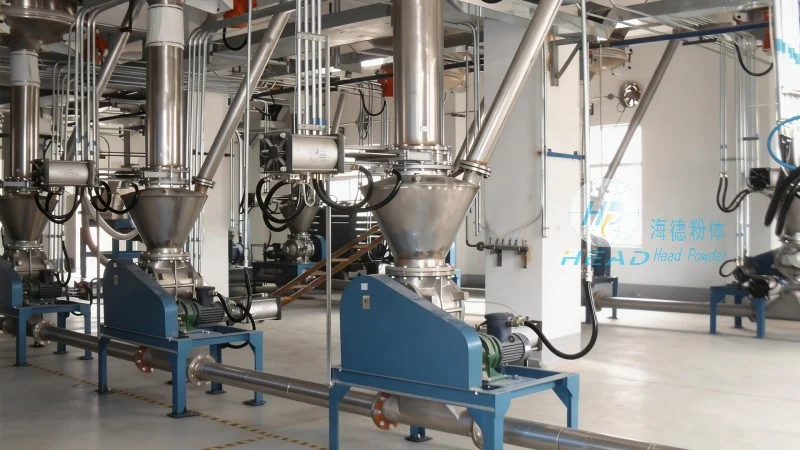
Phenolic resin powder pneumatic conveying is widely used in various industries that rely on phenolic resin for their products. In the adhesives industry, phenolic resin is used to manufacture high-performance adhesives for wood, metal, and composite materials. The pneumatic conveying system ensures that the resin powder is transported efficiently from storage to the mixing or processing equipment, maintaining the material's consistency and quality. In the coatings industry, phenolic resin is used to produce protective coatings for industrial equipment and structures. The system helps in delivering the resin powder to the coating machinery, ensuring a uniform and consistent application. The composites industry also utilizes phenolic resin in the production of high-strength materials, such as carbon fiber-reinforced composites. The efficient transport of the resin powder is crucial for achieving the desired properties in the final product. Other industries, such as automotive and aerospace, use phenolic resin in components that require high heat resistance and durability. The pneumatic conveying system plays a vital role in ensuring that the resin powder is delivered to the manufacturing lines in a controlled manner, supporting the production of high-quality components.
Considerations for System Design and Operation
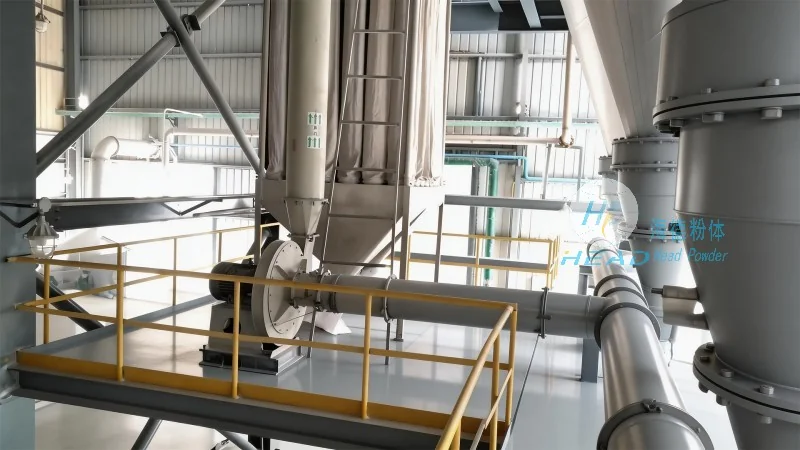
Designing and operating a phenolic resin powder pneumatic conveying system requires careful consideration of several factors to ensure optimal performance and material quality. The first consideration is the material properties of the phenolic resin, such as its particle size, density, and moisture content. These properties affect the air-to-powder ratio and the conveying velocity required for efficient transport. The system designer must select the appropriate blower or compressor capacity and conveying line diameter based on these properties. Another important factor is the distance and layout of the conveying system. The length and number of bends in the pipeline can impact the pressure drop and the overall efficiency of the system. Proper system sizing and layout are essential to minimize energy consumption and maintain the material's integrity. Maintenance is also a critical aspect of system operation. Regular cleaning of the hopper, conveying line, and filter components is necessary to prevent clogging and ensure consistent performance. The system should be equipped with monitoring and control devices to detect any issues, such as pressure drops or air leaks, and alert operators for timely intervention. For phenolic resin, which can be sensitive to moisture, the system should include moisture control measures, such as drying the air or using desiccant filters, to prevent material degradation.
Conclusion
Phenolic resin powder pneumatic conveying is a sophisticated and efficient method for transporting dry powder materials in industrial applications. The working principle, which relies on creating a pressure differential to move the material through a pipeline using air or gas, offers several advantages over traditional handling methods. The system's ability to operate in a closed environment minimizes dust exposure and maintains material quality, making it suitable for sensitive materials like phenolic resin. The key components, including the hopper, blower, control valve, and conveying line, work together to ensure reliable and consistent material transport. The technology is widely used in industries such as adhesives, coatings, composites, and automotive, where phenolic resin is a critical component. Proper system design, operation, and maintenance are essential to maximize the benefits of this technology and ensure long-term performance. As industrial processes continue to evolve, the demand for efficient and reliable powder handling systems will remain high, and phenolic resin powder pneumatic conveying will likely remain a preferred solution for many applications.