

What is Dry Flue Gas Desulfurization Agent Pneumatic Conveying? An Introduction to the Working Princ
Dry flue gas desulfurization (FGD) is a critical process in power plants and industrial facilities aimed at reducing sulfur dioxide emissions. The effectiveness of this process often hinges on the efficient and reliable transportation of dry desulfurization agents, such as limestone or other sorbents, to the reaction points. Pneumatic conveying, a technology widely used in powder handling, plays a pivotal role in this application. This article explores the concept of dry flue gas desulfurization agent pneumatic conveying and delves into the working principles of the associated powder handling systems, presented by Shandong HeadPowder Engineering Co., Ltd., a leading provider of powder handling solutions based in Shandong, China.
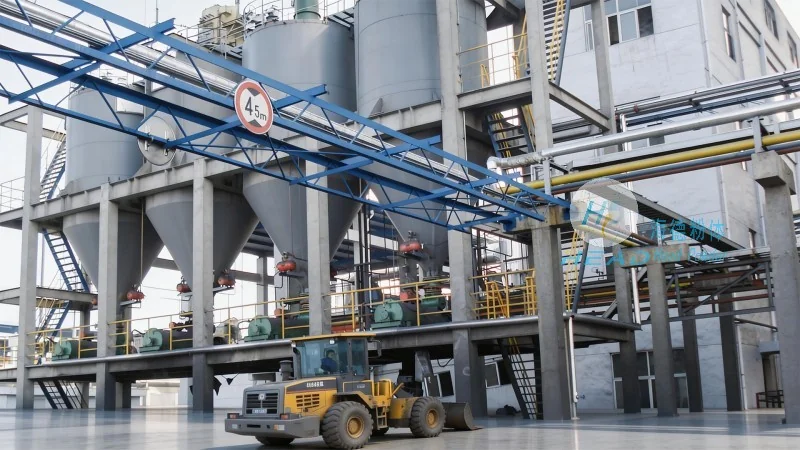
Understanding Dry Flue Gas Desulfurization
Dry FGD systems are designed to remove sulfur dioxide (SO₂) from flue gases by reacting it with a sorbent material, typically limestone (calcium carbonate, CaCO₃). The process involves the sorbent being introduced into the flue gas stream, where it reacts with SO₂ to form calcium sulfite or calcium sulfate, which are then removed from the gas stream. The efficiency of this process is directly linked to the quality and quantity of the sorbent delivered to the reaction zone. Pneumatic conveying systems are essential for transporting these dry powders from storage silos or bulk containers to the injection points within the FGD system.
Pneumatic Conveying: The Core Technology
Pneumatic conveying is a method of transporting bulk solid materials, such as powders, granules, or fine particles, using a gas stream, typically air or a mixture of air and other gases. There are two primary types of pneumatic conveying systems: positive pressure and negative pressure. Positive pressure systems generate air flow that pushes the material through the pipeline, while negative pressure systems create a vacuum that pulls the material into the system. For dry FGD applications, positive pressure systems are commonly preferred due to their ability to handle abrasive materials and maintain consistent flow rates.
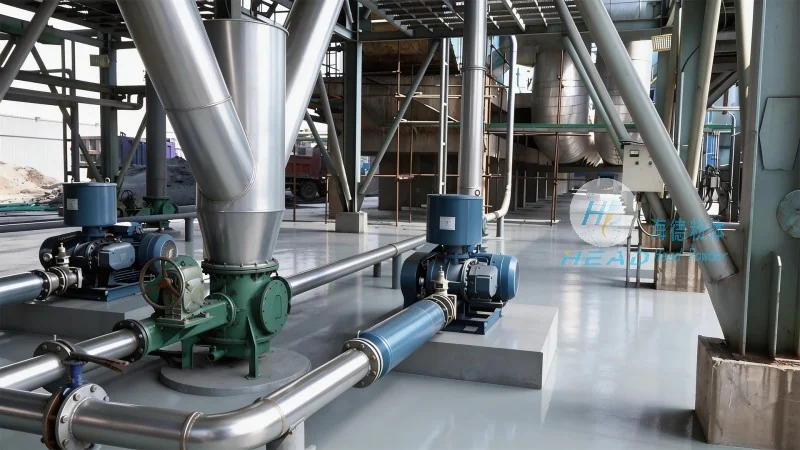
Components of a Pneumatic Conveying System for Dry FGD Agents
A typical pneumatic conveying system for dry desulfurization agents consists of several key components. These include a storage silo or hopper to hold the sorbent material, a feeder to control the flow rate of the material into the system, a conveyor pipeline to transport the material from the storage to the injection point, a compressor or blower to generate the air pressure, and a control system to regulate the operation of the entire process. The feeder is crucial as it ensures a consistent and controlled feed of the powder, preventing blockages or uneven flow. The pipeline is usually made of materials like stainless steel or plastic to withstand the abrasive nature of the desulfurization agents and the effects of the air stream.
The Working Principle: From Storage to Injection
The operation of a pneumatic conveying system for dry FGD agents begins with the material being discharged from the storage silo into the feeder. The feeder then meters the material at a controlled rate, which is then mixed with the air stream generated by the compressor. The air-powder mixture is then conveyed through the pipeline to the injection point, where the material is introduced into the flue gas stream. The system is designed to maintain a stable flow rate and pressure, ensuring that the correct amount of sorbent is delivered to the reaction zone at all times. This consistent delivery is vital for maintaining the efficiency of the FGD process and minimizing emissions.
Advantages of Pneumatic Conveying in Dry FGD Applications
Pneumatic conveying offers several advantages when used in dry flue gas desulfurization systems. First, it provides a dust-free and enclosed transport process, which is essential for maintaining environmental standards and preventing material loss. Second, it allows for the transportation of materials over long distances without the need for multiple transfer points, which can be costly and inefficient with other methods like belt conveyors. Third, the system can be easily integrated with existing FGD equipment, making it a flexible solution for retrofitting or new installations. Additionally, pneumatic conveying systems can handle a wide range of particle sizes and densities, making them suitable for various types of desulfurization agents.
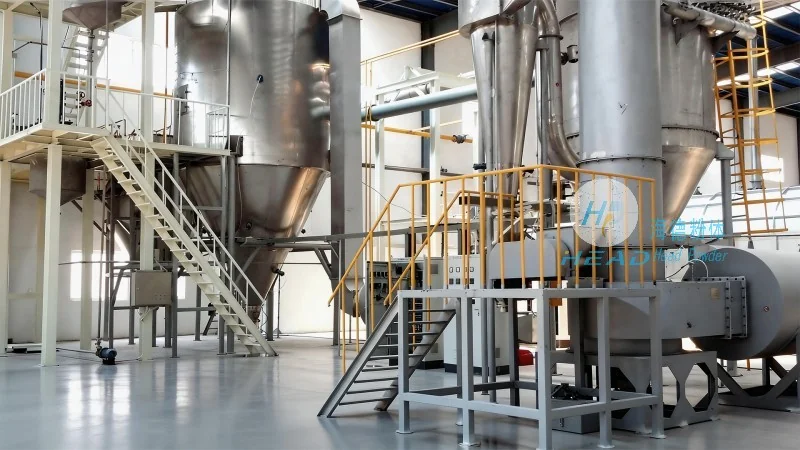
Applications and Industry Use Cases
Dry flue gas desulfurization agent pneumatic conveying systems are widely used in power plants, particularly those burning coal or other fossil fuels. The technology is also applied in other industrial sectors, such as chemical manufacturing, where sulfur dioxide emissions need to be controlled. The systems are designed to handle large volumes of sorbent material, often in the range of several tons per hour, to meet the demands of modern power generation and industrial processes. The reliability and efficiency of these systems are critical for maintaining the operational performance of the FGD process and ensuring compliance with environmental regulations.
Conclusion
Dry flue gas desulfurization agent pneumatic conveying is a vital technology in modern industrial and power generation applications. By efficiently transporting dry desulfurization agents to the reaction points, these systems contribute to the reduction of sulfur dioxide emissions and the overall environmental performance of facilities. The working principles of pneumatic conveying, combined with the specific design considerations for dry FGD agents, ensure that these systems can operate reliably and effectively. As environmental regulations continue to tighten, the importance of efficient and reliable powder handling systems like pneumatic conveyors will only increase, making them a key component in the sustainable operation of industrial facilities.