

What is the pneumatic conveying of battery anode materials? Introduction to the working principle of
Pneumatic conveying systems have become increasingly vital in the battery manufacturing industry, particularly for the efficient and reliable transport of anode materials. As the demand for high-performance lithium-ion batteries grows, the need for robust and precise material handling solutions has become paramount. This article delves into the concept of pneumatic conveying for battery anode materials, exploring the underlying principles and operational mechanisms that enable such systems to function effectively.
Understanding Battery Anode Materials and Their Handling Requirements
Battery anode materials, such as graphite, silicon, and various composite powders, are critical components in the production of modern rechargeable batteries. These materials are characterized by their fine particle size, high reactivity, and sensitivity to moisture and contamination. Traditional handling methods, like manual conveying or mechanical screw conveyors, often pose challenges in maintaining material integrity and ensuring consistent quality. Pneumatic conveying offers a solution by providing a closed system that minimizes exposure to external factors, thereby preserving the material's properties throughout the transport process.
The Working Principle of Pneumatic Conveying Systems
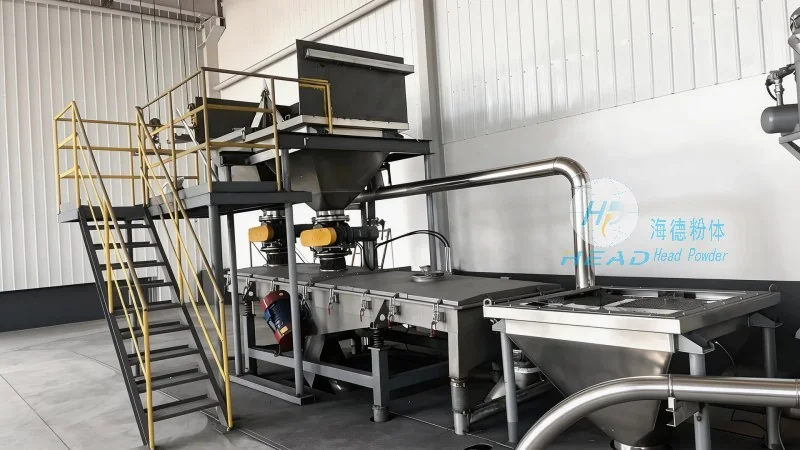
Pneumatic conveying operates on the fundamental principle of using compressed air to move particulate materials through a pipeline. The system typically consists of a hopper for material storage, a feeder to control the flow rate, a conveying line, and a receiver for the discharged material. The process begins when the material is fed into the hopper and then transferred to the conveying line via the feeder. Compressed air is then introduced into the line, creating a flow that propels the particles forward. The velocity of the air and the design of the conveying line determine the efficiency and capacity of the system.
Key Components and Their Roles in Pneumatic Conveying
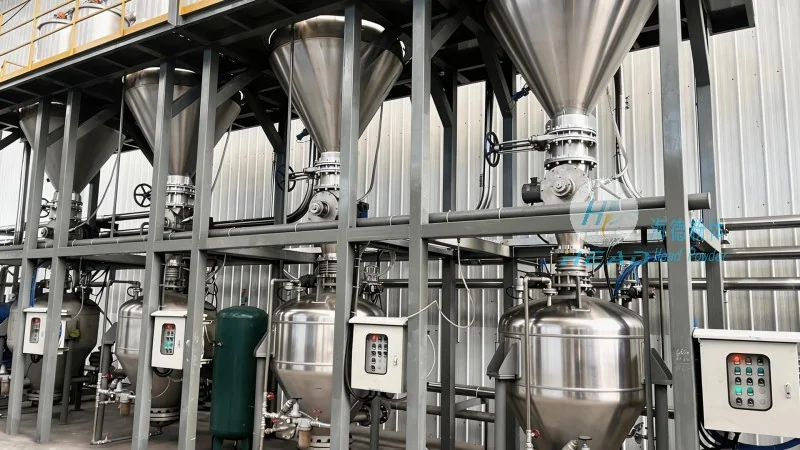
Several key components work in tandem to ensure the smooth operation of a pneumatic conveying system for battery anode materials. The hopper serves as the primary storage vessel, designed to hold the bulk material and maintain a consistent feed rate. The feeder, often a rotary valve or a vibratory feeder, regulates the flow of material into the conveying line, preventing overloading and ensuring a steady supply. The conveying line itself is typically made of stainless steel or other corrosion-resistant materials to accommodate the chemical properties of the anode materials. The receiver, located at the end of the line, collects the discharged material and may include a filter system to capture any fine particles that could escape during transport.
Advantages of Pneumatic Conveying for Battery Anode Materials
Compared to traditional mechanical conveying methods, pneumatic conveying offers several advantages that make it ideal for handling battery anode materials. First, it provides a completely enclosed system, which reduces the risk of dust contamination and environmental pollution. This is particularly important in industries where material purity is critical, as even trace amounts of contaminants can affect battery performance. Second, pneumatic systems are highly flexible, allowing for changes in the conveying route without major modifications to the infrastructure. This adaptability is beneficial in dynamic manufacturing environments where production lines may need to be reconfigured. Third, the system can handle a wide range of particle sizes and shapes, making it suitable for various anode material compositions. Additionally, pneumatic conveying is generally more energy-efficient than mechanical systems, as it minimizes friction and material degradation during transport.
Application Scenarios in Battery Manufacturing
Pneumatic conveying systems are widely used in various stages of battery production, from raw material handling to finished product packaging. In the raw material stage, these systems are employed to transport anode powders from storage silos to mixing and compounding equipment. This ensures that the materials are delivered in a controlled manner, maintaining their quality and preventing agglomeration. During the cell assembly process, pneumatic conveying may be used to transport electrodes and other components to the assembly lines. In the final packaging stage, the system can handle the finished battery cells, ensuring they are transferred safely and efficiently to the packaging units.
Case Study: Shandong HeadPowder Engineering Co., Ltd. and Pneumatic Conveying Solutions
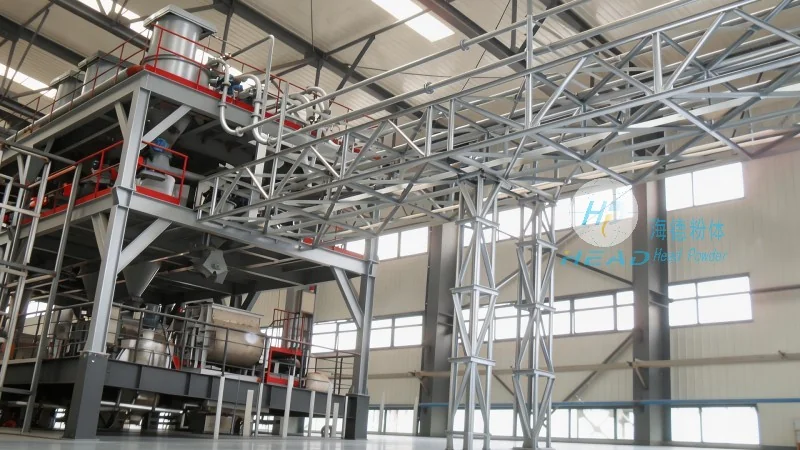
Shandong HeadPowder Engineering Co., Ltd., a leading manufacturer of powder handling equipment based in China, specializes in providing customized pneumatic conveying solutions for the battery industry. With a deep understanding of the unique challenges associated with handling anode materials, the company has developed advanced systems that meet the stringent requirements of modern battery manufacturing. Their solutions include high-capacity conveying lines, advanced control systems, and robust filtration units designed to maintain material purity and system efficiency. The company's expertise in material flow dynamics and system integration has enabled them to deliver reliable and durable equipment that enhances production throughput and reduces operational costs for their clients.
Conclusion: The Importance of Efficient Pneumatic Conveying in Battery Manufacturing
In conclusion, pneumatic conveying of battery anode materials is a critical technology in the battery manufacturing industry. By leveraging the principles of compressed air to transport fine particulate materials, these systems offer numerous advantages over traditional methods, including improved material integrity, reduced contamination risk, and enhanced operational flexibility. As the demand for high-performance batteries continues to grow, the importance of reliable and efficient material handling solutions will only increase. Companies like Shandong HeadPowder Engineering Co., Ltd. play a vital role in providing the advanced equipment and expertise needed to meet these challenges, ensuring that the battery industry can continue to innovate and deliver cutting-edge products to the market.