

Introduction to Tailings Slurry Pneumatic Conveying and the Working Principle of Pneumatic Conveying
For those in the mining and processing industries, the efficient handling of tailings is a critical concern. Tailings, the fine-grained residue left after ore processing, require specialized methods for transport and disposal. One such method is pneumatic conveying, which offers a flexible and effective solution for moving tailings slurry over long distances. This article provides an overview of tailings slurry pneumatic conveying systems, detailing their working principles and the key components that make them effective. The information is presented by Shandong HeadPowder Engineering Co., Ltd., a leading provider of engineering solutions for the mining sector, based in Shandong, China.
Understanding Tailings Slurry Pneumatic Conveying
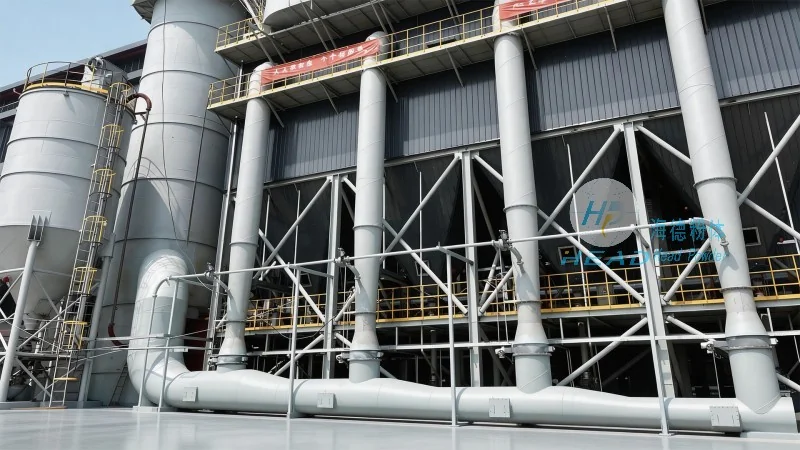
Tailings slurry, composed of water and fine mineral particles, presents unique challenges for traditional conveying methods such as trucks or pipelines. Pneumatic conveying systems use air or gas to transport the slurry through a network of pipes, eliminating the need for mechanical components that might be prone to wear or clogging. The process involves creating a pressure differential between the inlet and outlet of the system, which propels the slurry forward. This method is particularly advantageous for transporting tailings to disposal sites or for reprocessing in downstream operations.
The Working Principle of Pneumatic Conveying Systems
Pneumatic conveying systems operate on the principle of fluidization and pressure differential. At the inlet, a fan or blower generates high-pressure air that mixes with the tailings slurry, creating a slurry-air mixture. This mixture is then forced through the pipeline network. The velocity of the air ensures that the slurry particles remain suspended, preventing blockages and ensuring smooth flow. The system typically includes a hopper for material storage, a pump or feed mechanism to introduce the slurry, and a series of pipes with appropriate diameters and bends to guide the flow. The outlet of the system may include a separator to remove excess air and return it to the system, or to discharge the slurry into a storage or processing facility.
Key Components of a Tailings Slurry Pneumatic Conveying System
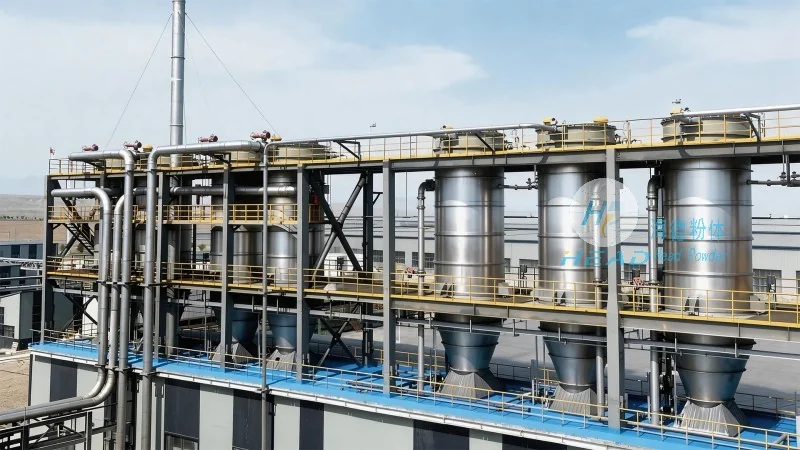
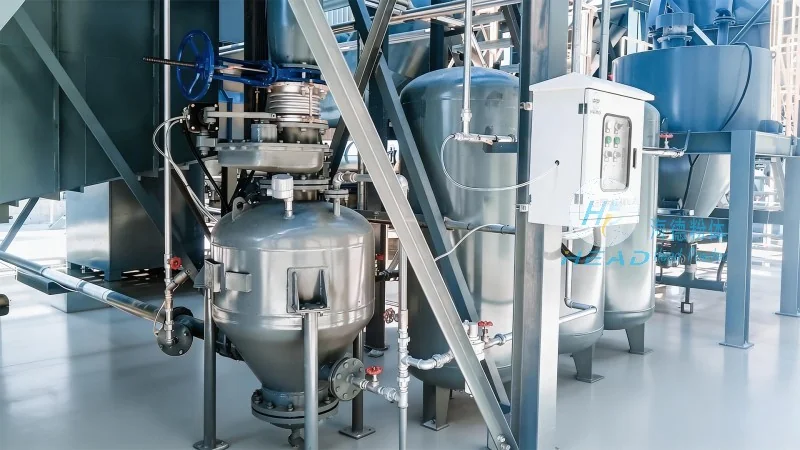
Several critical components work together to ensure the efficient operation of a tailings slurry pneumatic conveying system. The primary components include a slurry feed system, which may involve a screw feeder or pump to introduce the slurry into the pipeline. The conveying line itself, made of durable materials such as stainless steel or high-density polyethylene, is designed to withstand the abrasive nature of tailings particles. A blower or fan provides the necessary air pressure, with options ranging from positive displacement blowers to centrifugal fans depending on the system's requirements. Additionally, the system may include pressure relief valves, filters to remove debris from the air, and monitoring equipment to track flow rates and system performance.
Advantages of Pneumatic Conveying for Tailings Transport
Compared to other transport methods, pneumatic conveying offers several advantages for tailings slurry transport. One of the most significant benefits is the ability to transport materials over long distances without the need for intermediate storage or processing. This reduces the environmental impact by minimizing the number of trucks on the road and the associated emissions. The system is also highly flexible, allowing for changes in the route or capacity without major modifications. Furthermore, pneumatic conveying can handle a wide range of particle sizes and concentrations, making it suitable for various tailings compositions. The enclosed pipeline system also helps to contain dust and prevent environmental contamination, which is crucial for maintaining compliance with environmental regulations.
Applications in Mining and Processing
Tailings slurry pneumatic conveying systems are widely used in the mining industry for both internal and external transport. Internally, they can move tailings from processing plants to storage facilities or for reprocessing in downstream operations. Externally, they are used to transport tailings to off-site disposal sites, often over long distances. The systems are also employed in the reclamation of tailings ponds, where the slurry is pumped back into the pond to stabilize the material. In processing plants, pneumatic conveying can be integrated with other equipment, such as crushers and classifiers, to create a continuous material flow. This integration improves overall plant efficiency and reduces downtime.
Considerations for System Design and Installation
Designing and installing a tailings slurry pneumatic conveying system requires careful consideration of several factors. The first is the characteristics of the tailings slurry itself, including its density, viscosity, and particle size distribution. These factors determine the required air pressure and flow rate. The second is the distance and layout of the conveying route, which influences the number and size of components needed. The third is the environmental and regulatory requirements, which may dictate the need for dust control or noise reduction measures. Proper system design ensures that the conveying system operates efficiently and reliably, minimizing maintenance and downtime. Installation must also consider the terrain and existing infrastructure, ensuring that the pipeline is laid out to minimize bends and pressure losses.