

Introduction to Castings Dust Pneumatic Conveying and the Working Principle of Pneumatic Conveying S
Castings dust, a byproduct commonly encountered in foundry operations, poses significant challenges in terms of handling and disposal. Traditional methods such as manual shoveling or bagging can be inefficient, labor-intensive, and pose health risks due to dust inhalation. To address these issues, pneumatic conveying systems have emerged as a highly effective solution for transporting castings dust and other fine powders. This article provides an overview of pneumatic conveying systems, focusing on their application in castings dust management and the fundamental principles that govern their operation.
Understanding Pneumatic Conveying Systems
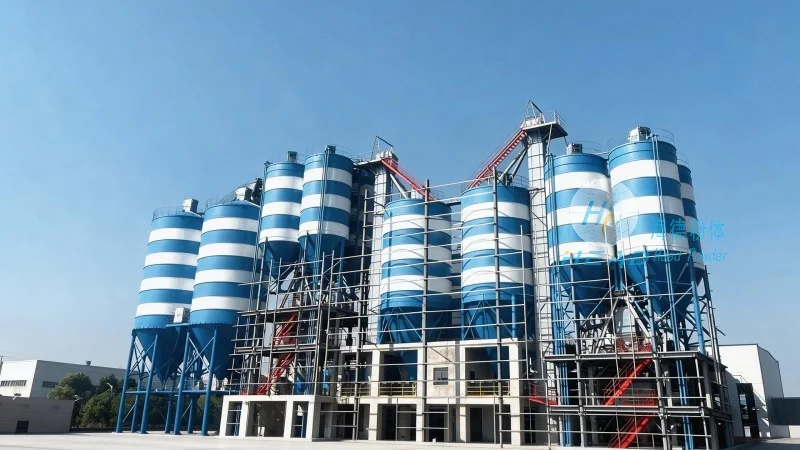
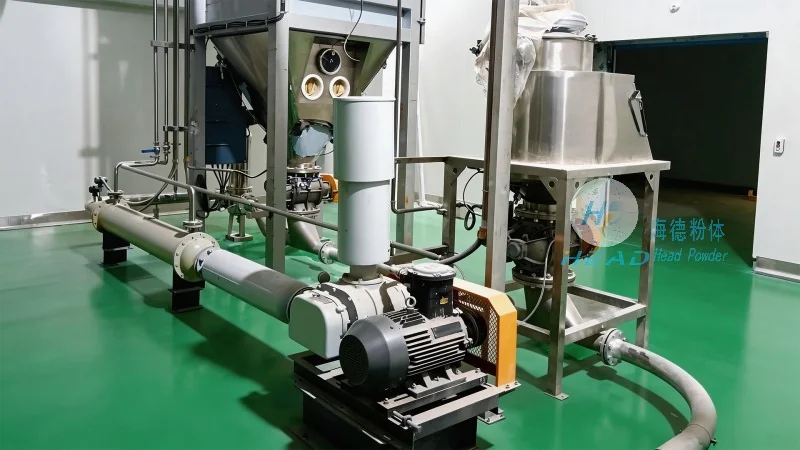
Pneumatic conveying systems utilize air or other gases to transport bulk materials like castings dust through a network of pipes. The core components of a typical system include a dust collection unit, a conveying line, a pressure or vacuum source, and a discharge device. The system operates by creating a flow of air that pulls or pushes the material through the pipeline, ensuring efficient and dust-free transfer from the source to the destination.
The Working Principle of Pneumatic Conveying
The fundamental principle behind pneumatic conveying is the use of differential pressure to move material. In a vacuum system, a fan creates a negative pressure inside the pipeline, drawing the dust particles into the line. Conversely, in a pressure system, a blower pushes air and material through the pipe. The velocity of the air is critical; it must be sufficient to overcome the gravitational force of the particles and any friction within the pipe. The system's design, including pipe diameter, length, and the type of air flow (e.g., dilute phase or dense phase), directly impacts its efficiency and suitability for specific materials like castings dust.

Application of Pneumatic Conveying in Castings Dust Management
For foundries dealing with castings dust, pneumatic conveying offers several advantages. It allows for the safe and hygienic removal of dust from production areas, reducing the risk of respiratory illnesses among workers. The system can transport dust from multiple collection points to a central storage or disposal facility, streamlining the material handling process. Additionally, pneumatic conveying minimizes material loss and contamination, as the dust is contained within the pipeline, preventing exposure to the environment.
Key Considerations for Designing a Pneumatic Conveying System for Castings Dust
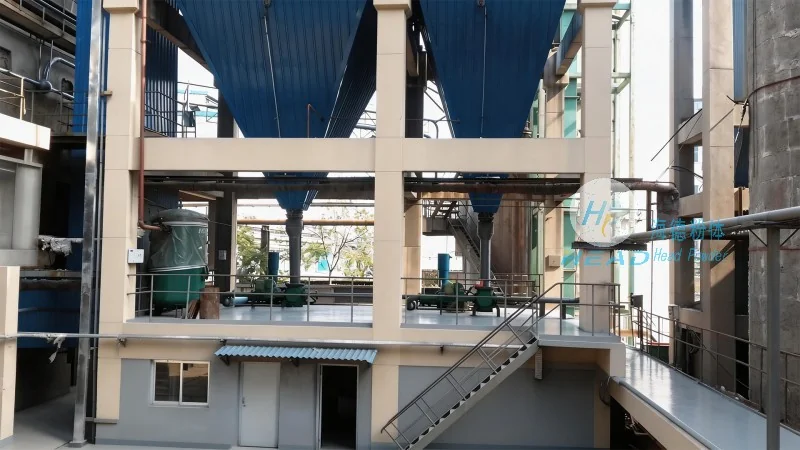
When designing a pneumatic conveying system for castings dust, several factors must be considered to ensure optimal performance. The first is the particle size and density of the dust, as these characteristics affect the air velocity required for effective transport. For example, fine, light particles may require higher air speeds to prevent settling. The second consideration is the system's layout, including the number of branches, bends, and the overall length of the pipeline, as these elements can impact pressure drop and energy consumption. Material selection for the pipeline is also crucial; materials like stainless steel or PVC are commonly used to resist corrosion and abrasion from the dust particles.
Advantages of Pneumatic Conveying Systems
Compared to traditional material handling methods, pneumatic conveying systems offer numerous benefits. They are highly flexible, allowing for easy reconfiguration of the pipeline to accommodate changes in production processes. The systems are also compact, requiring less floor space compared to conveyor belts or trucks. Furthermore, pneumatic conveying is energy-efficient, especially when operating at low pressures, and can handle a wide range of materials, including abrasive or corrosive substances like castings dust. The enclosed nature of the system also enhances safety by preventing dust from escaping into the workplace.
Conclusion
Pneumatic conveying systems represent a sophisticated and efficient solution for managing castings dust in foundry operations. By understanding the working principles and key design considerations, foundries can implement systems that not only improve operational efficiency but also enhance workplace safety and environmental compliance. As a leading provider in this field, Shandong HeadPowder Engineering Co., Ltd. specializes in designing and manufacturing customized pneumatic conveying solutions tailored to the specific needs of foundries, ensuring reliable and cost-effective material handling for castings dust and other industrial powders.