

Introduction to Fine Sand Pneumatic Conveying and Explanation of Pneumatic Conveying System Working
HeadPowder, a leading provider in the field of material handling solutions, specializes in the design, manufacturing, and implementation of advanced pneumatic conveying systems. This article provides an overview of fine sand pneumatic conveying systems, detailing their working principles and the key components that enable efficient material transport. The company, based in Shandong, China, leverages decades of industry experience to deliver reliable and effective solutions tailored to diverse industrial applications.
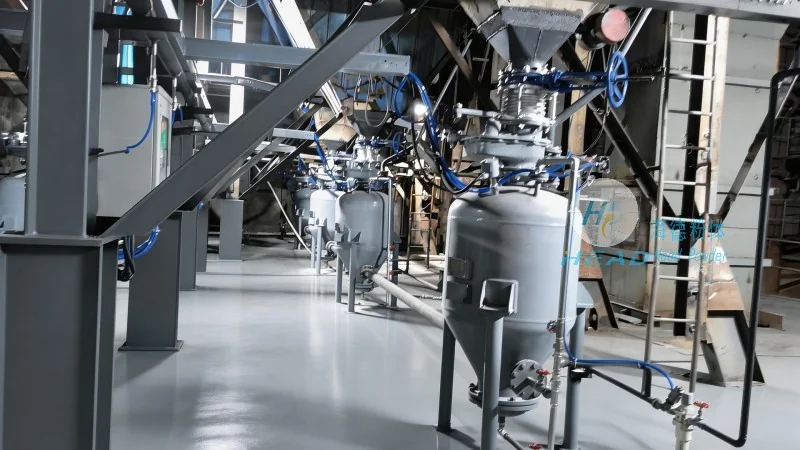
Understanding Fine Sand Pneumatic Conveying Systems
Fine sand pneumatic conveying systems are engineered to transport fine-grained materials, such as sand, powders, and granules, through an enclosed pipeline using compressed air or other gases. Unlike traditional mechanical conveying methods, these systems offer a flexible and efficient means of moving materials without the need for physical contact or moving parts in the conveying path. The technology is widely adopted across various industries, including construction, mining, and manufacturing, due to its ability to handle delicate or abrasive materials while minimizing product degradation and contamination.
Core Components of a Pneumatic Conveying System
A typical fine sand pneumatic conveying system consists of several critical components that work in tandem to ensure smooth operation. The primary elements include a material feeder, which introduces the fine sand into the system, a conveying line (often made of stainless steel or other corrosion-resistant materials to prevent material buildup and contamination), a pressure vessel or receiver to collect the conveyed material, and a blower or compressor that generates the necessary airflow. Additionally, the system may incorporate control valves, filters, and cyclones to manage air pressure, separate material from air, and regulate the flow of the conveyed material. Each component plays a vital role in maintaining the efficiency and reliability of the entire system.
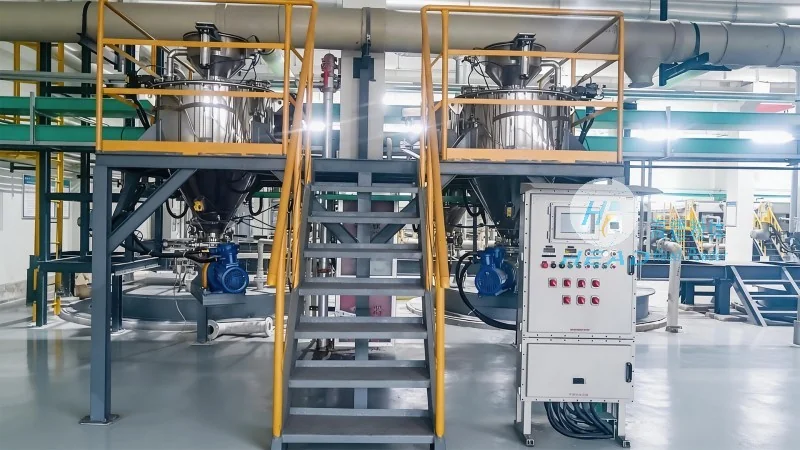
Working Principle of Pneumatic Conveying
The operation of a fine sand pneumatic conveying system is based on the principle of creating a pressure differential between the inlet and outlet of the conveying line. The blower or compressor supplies compressed air, which is introduced into the material feeder. As the fine sand is introduced into the air stream, it becomes entrained and carried along the pipeline by the moving air. The air flow maintains the material in suspension, preventing it from settling or clogging the system. At the receiving end, the air and material are separated, typically through a cyclone or filter, where the fine sand is collected in the receiver and the air is either vented or recirculated. This process allows for continuous and unidirectional transport of the fine sand from the source to the destination, with minimal energy consumption and operational complexity.
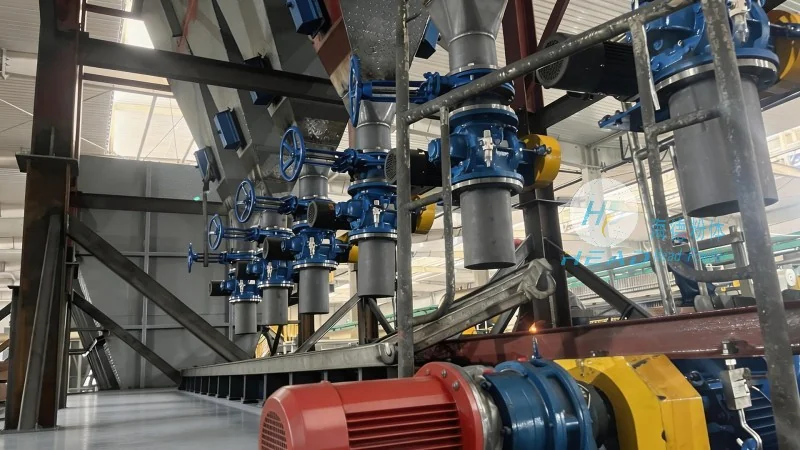
Advantages of Fine Sand Pneumatic Conveying
Compared to traditional conveying methods, fine sand pneumatic conveying systems offer several distinct advantages. One of the most significant benefits is the ability to handle fine-grained materials that are difficult to transport using mechanical means, such as sand with high moisture content or abrasive particles. The enclosed system also prevents contamination from external sources and minimizes dust emissions, making it suitable for applications where product purity is critical. Furthermore, the system’s flexibility allows for easy integration with existing production lines and can be scaled to accommodate varying material volumes and processing requirements. The reduced need for physical contact and moving parts also leads to lower maintenance costs and longer equipment lifespan, contributing to overall operational efficiency.
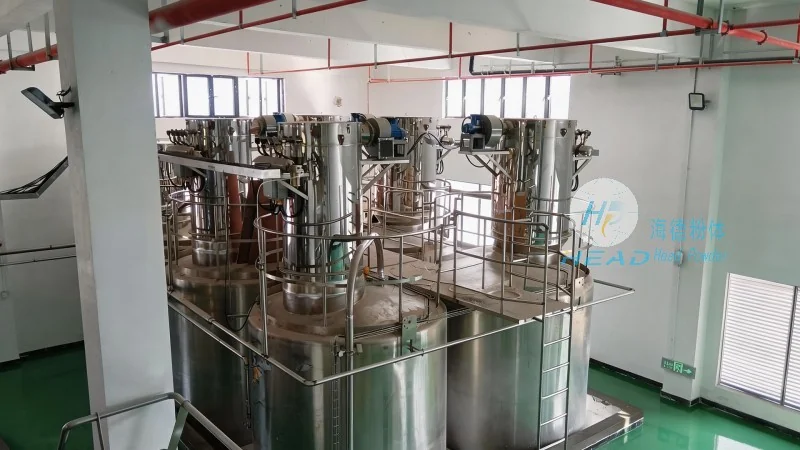
Applications and Industries
Fine sand pneumatic conveying systems are widely utilized across a range of industries where the transport of fine materials is essential. In the construction industry, these systems are used to convey sand for concrete mixing and mortar production, ensuring consistent material quality and reducing manual handling. The mining sector employs pneumatic conveying for transporting ore and fine particles from processing plants to storage facilities, enhancing safety and efficiency in material handling. Additionally, in the manufacturing industry, fine sand is used in the production of ceramics, glass, and other composite materials, where pneumatic conveying ensures precise material delivery and minimal contamination. The versatility of the system makes it adaptable to various operational conditions, from high-volume industrial applications to smaller-scale processing plants.
Conclusion
HeadPowder’s expertise in fine sand pneumatic conveying systems demonstrates the company’s commitment to providing innovative and reliable material handling solutions. By understanding the working principles and core components of these systems, industries can leverage the advantages of pneumatic conveying to enhance operational efficiency, improve product quality, and reduce costs. As a leading provider based in Shandong, China, HeadPowder continues to advance the technology, offering tailored solutions that meet the evolving needs of modern industrial applications. The integration of advanced engineering and practical experience ensures that fine sand pneumatic conveying systems remain a preferred choice for efficient material transport in diverse sectors.