

Introduction to Methylcellulose Pneumatic Conveying and the Working Principle of Pneumatic Conveying
HeadPowder, a leading provider in the field of material handling solutions, specializes in advanced pneumatic conveying systems designed for efficient and reliable transport of various powders, including methylcellulose. This article provides an overview of methylcellulose pneumatic conveying, detailing the fundamental principles and operational aspects of such systems.
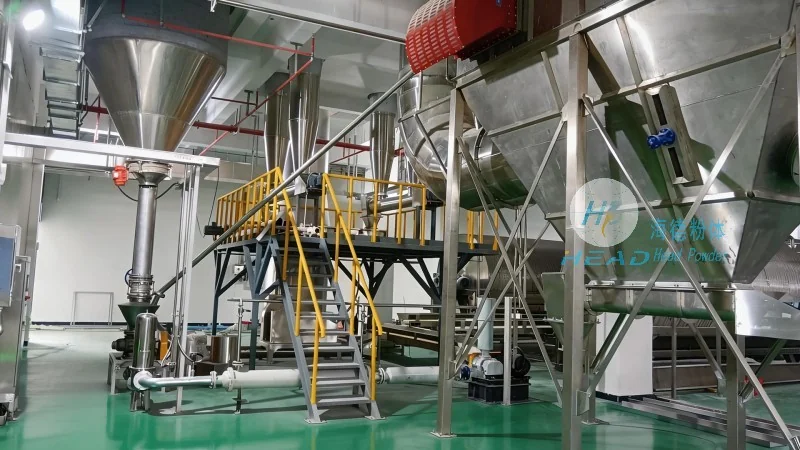
Understanding Methylcellulose and Its Handling Requirements
Methylcellulose is a non-ionic cellulose ether widely used in industries such as pharmaceuticals, food, and construction due to its excellent thickening, emulsifying, and stabilizing properties. As a fine powder, methylcellulose presents unique handling challenges, including dust generation, static electricity, and the need for gentle yet effective transport to maintain product integrity. Traditional methods like bucket elevators or belt conveyors may not be suitable for such delicate materials, making pneumatic conveying an ideal solution.
The Working Principle of Pneumatic Conveying Systems
Pneumatic conveying systems utilize air or gas to transport bulk materials through a pipeline network. The process typically involves a combination of positive and negative pressure zones to move the material from the source to the destination. In the case of methylcellulose, the system is designed to handle its fine particle size and low bulk density, ensuring minimal product degradation and efficient flow. The core components of a pneumatic conveying system include a feed hopper, a conveyor line, a control valve, and a receiver. The system operates by creating a pressure differential: air is introduced into the system, either by a blower or a vacuum pump, to draw the material from the hopper and propel it through the pipeline.
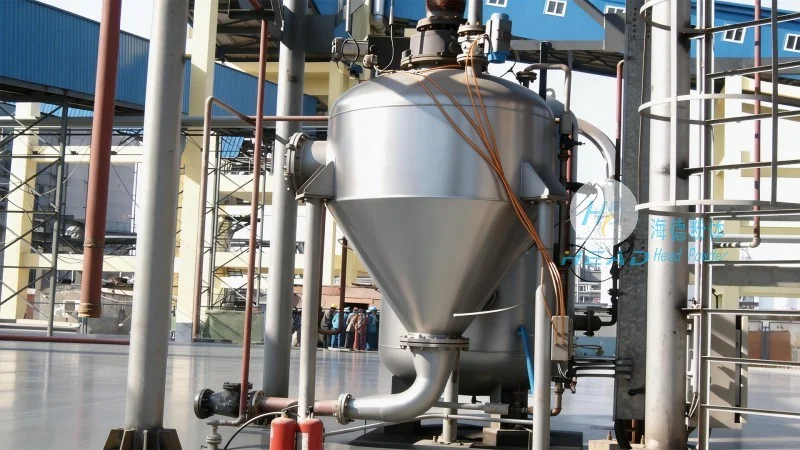
Key Components and Their Functions in Methylcellulose Pneumatic Conveying
The effectiveness of a methylcellulose pneumatic conveying system depends on several critical components. The feed hopper is designed to store the material and provide a controlled feed rate, preventing overloading and ensuring consistent material flow. The conveyor line, often made of stainless steel or other corrosion-resistant materials, is chosen to handle the chemical properties of methylcellulose and maintain hygiene standards. Control valves, such as rotary valves or slide gates, regulate the flow of material and air, allowing for precise control over the conveying process. The receiver, where the material is deposited, is equipped with dust collection systems to minimize environmental impact and maintain a clean working environment.
Advantages of Using Pneumatic Conveying for Methylcellulose
Implementing a pneumatic conveying system for methylcellulose offers numerous advantages over traditional handling methods. One of the primary benefits is the ability to transport the material over long distances with minimal product degradation. The system's enclosed design prevents dust contamination and reduces the risk of cross-contamination, which is crucial in industries like pharmaceuticals and food processing. Additionally, pneumatic conveying systems are highly flexible, allowing for easy integration with existing production lines and the ability to handle varying material loads. The gentle handling of the material also preserves its physical and chemical properties, ensuring that the final product meets quality standards.
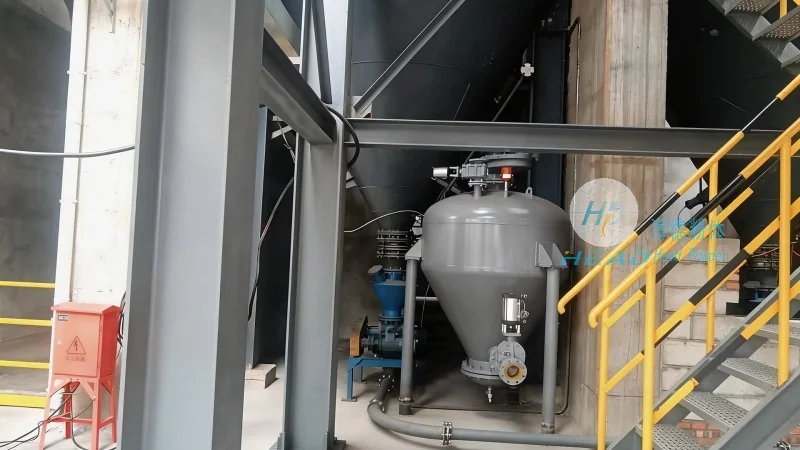
Applications of Methylcellulose Pneumatic Conveying Systems
Methylcellulose pneumatic conveying systems are widely used in various industrial applications. In the pharmaceutical industry, these systems are employed to transport methylcellulose powders for use in drug formulations, ensuring that the material is handled hygienically and efficiently. In the food industry, the systems are used to convey methylcellulose used as a thickening agent in food products, maintaining the quality and consistency of the final product. In the construction industry, methylcellulose is used as a water-retaining agent in concrete, and pneumatic conveying systems facilitate its transport to construction sites. The versatility of these systems makes them suitable for a wide range of applications where efficient and reliable powder transport is essential.
Conclusion and Company Overview
HeadPowder Engineering Co., Ltd., based in Shandong, China, is a trusted manufacturer and supplier of advanced pneumatic conveying systems tailored to the specific needs of industries handling fine powders like methylcellulose. With years of experience and a commitment to quality, HeadPowder provides customized solutions that enhance operational efficiency, reduce costs, and ensure product integrity. By leveraging the principles of pneumatic conveying, HeadPowder helps clients achieve optimal material handling solutions, supporting their production processes and meeting industry standards.