

What is Sulfur Pneumatic Conveying Equipment? Introduction to the Structure and Principle of Powder
When it comes to the efficient and safe handling of bulk materials like sulfur, pneumatic conveying systems play a crucial role in industrial processes. This article delves into the world of sulfur pneumatic conveying equipment, exploring its structure, working principles, and the technology behind it. As a leading manufacturer in the field, Shandong HeadPowder Engineering Co., Ltd. specializes in providing advanced solutions for powder handling, ensuring optimal performance and reliability in various industrial applications.
Understanding Sulfur Pneumatic Conveying Systems
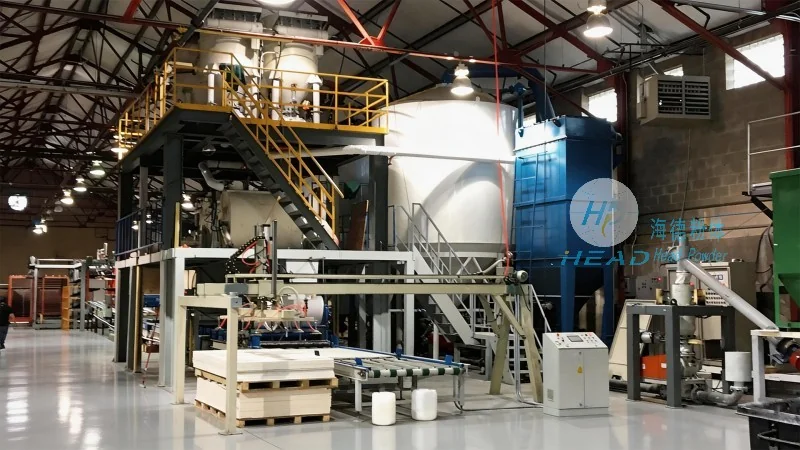
Sulfur, a common bulk material used in industries such as chemical manufacturing, agriculture, and energy production, requires specialized equipment for safe and efficient transport. Pneumatic conveying systems utilize air or other gases to move sulfur particles through a pipeline network. These systems are designed to handle the unique properties of sulfur, including its density, flow characteristics, and potential reactivity, ensuring minimal product degradation and maximum operational efficiency.
The Core Components of Sulfur Pneumatic Conveying Equipment
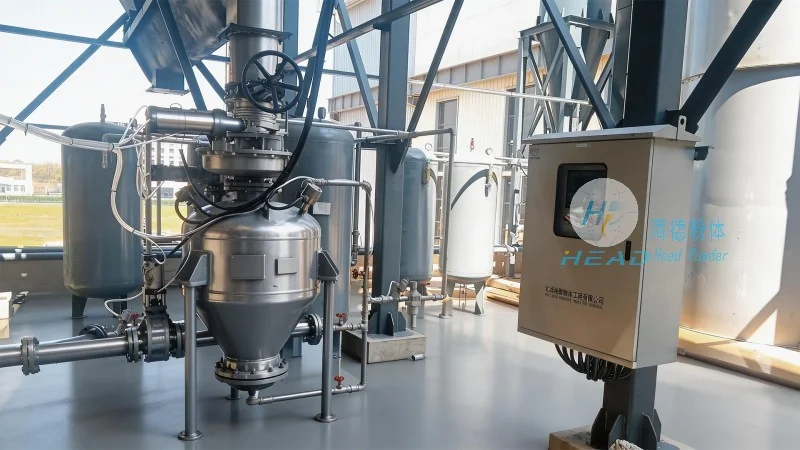
At the heart of any pneumatic conveying system are several key components that work in tandem to achieve effective material transport. These components include the feeding system, the conveying line, the air supply unit, and the control system. The feeding system is responsible for introducing sulfur into the system, typically using a hopper or a rotary valve to control the flow rate. The conveying line, often made of stainless steel or other corrosion-resistant materials, ensures the safe transport of sulfur particles. The air supply unit generates the necessary pressure and flow of air, while the control system monitors and regulates the entire process to maintain optimal performance.
Working Principle of Pneumatic Conveying for Sulfur
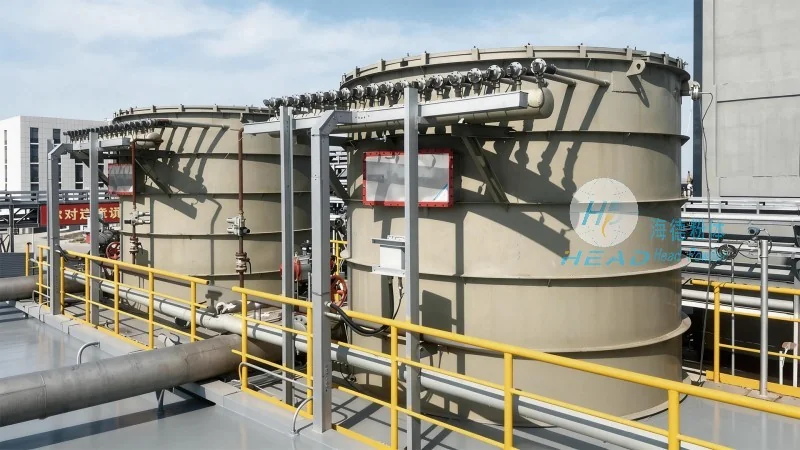
The operation of a sulfur pneumatic conveying system is based on the principle of air movement. In a typical system, sulfur is fed into a hopper, where it is then drawn into the conveying line by the pressure differential created by the air supply. The air, moving at high velocity, carries the sulfur particles through the pipeline, delivering them to the destination point. This process is often categorized into two main types: dilute phase and dense phase conveying. Dilute phase systems use high air velocities to transport particles in a dispersed state, while dense phase systems use lower air velocities and higher pressure to move particles in a more concentrated manner, reducing the risk of product degradation and ensuring smoother operation.
Advantages of Using Pneumatic Conveying for Sulfur Handling
Compared to traditional mechanical conveying methods, pneumatic conveying offers several advantages when handling sulfur. These include reduced product contamination, as the system is enclosed and prevents exposure to external elements. It also minimizes dust generation and improves safety in the workplace. Additionally, pneumatic systems can handle a wide range of sulfur particle sizes and moisture contents, making them versatile for various industrial applications. The ability to control flow rates and pressure also allows for precise material delivery, enhancing overall process efficiency.
Shandong HeadPowder Engineering Co., Ltd.: Your Trusted Partner in Powder Handling Solutions
For over [years, if available, else omit or use "years of experience"], Shandong HeadPowder Engineering Co., Ltd. has been a leading provider of high-quality pneumatic conveying equipment for sulfur and other bulk materials. With a strong commitment to innovation and customer satisfaction, the company specializes in designing and manufacturing customized solutions that meet the specific needs of its clients. HeadPowder's expertise lies in understanding the unique challenges of sulfur handling and developing systems that ensure reliable, efficient, and safe operation. The company's products are engineered with precision, using advanced materials and technologies to deliver superior performance and durability.
Conclusion: The Future of Sulfur Handling with Pneumatic Conveying
As industries continue to rely on sulfur for various applications, the importance of efficient and reliable handling systems cannot be overstated. Pneumatic conveying equipment, with its advanced structure and working principles, offers a superior solution for transporting sulfur and other bulk materials. By leveraging the expertise of companies like Shandong HeadPowder Engineering Co., Ltd., industries can ensure that their sulfur handling processes are optimized for performance, safety, and cost-effectiveness. The future of bulk material handling lies in innovative technologies, and pneumatic conveying systems are at the forefront of this evolution.