

[Sugar Cane Pneumatic Conveying Equipment: Structure and Principle of Powder Conveying Equipment]
HeadPowder, a leading manufacturer based in Shandong, China, specializes in the design and production of advanced pneumatic conveying systems. This article provides an in-depth look at the sugar cane pneumatic conveying equipment, detailing its structure and operational principles, which are fundamental to efficient powder handling in various industrial applications.
Understanding Pneumatic Conveying Systems
Pneumatic conveying, also known as powder and bulk material transport, is a method of moving solid materials through a pipeline using a gas stream, typically air or a combination of air and other gases. This technology is widely used in industries such as food processing, pharmaceuticals, and chemical manufacturing due to its ability to handle fine powders and granules with minimal product degradation. The core of a pneumatic conveying system is the equipment that facilitates the transport, which includes components like a hopper, feeder, pipeline, and receiver.
Structure of Sugar Cane Pneumatic Conveying Equipment
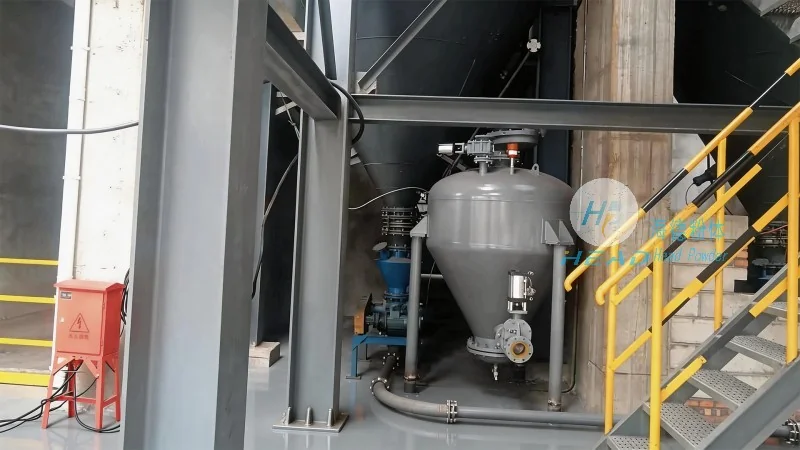
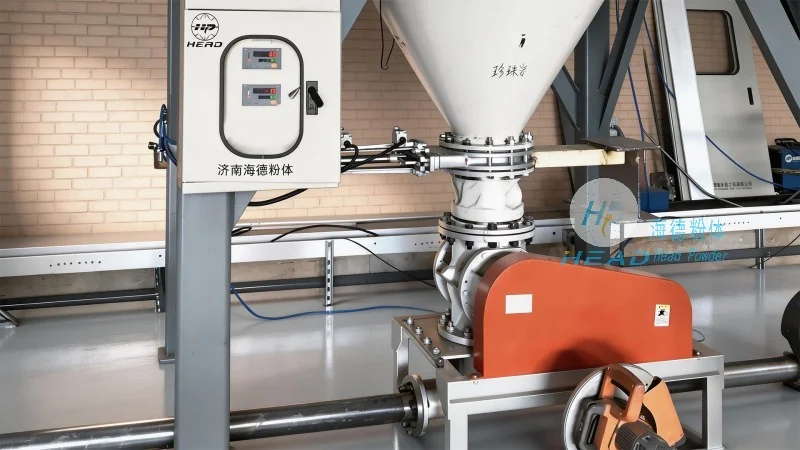
The sugar cane pneumatic conveying equipment from HeadPowder is engineered to handle the unique characteristics of sugar cane and other bulk materials. The system typically consists of several key components that work in tandem to ensure efficient and reliable transport. The primary structure includes a large hopper designed to store the raw material, a rotary valve or screw feeder that controls the material flow into the conveying line, a series of pipelines with appropriate bends and fittings to direct the material to the destination, and a receiver or silo where the material is deposited.
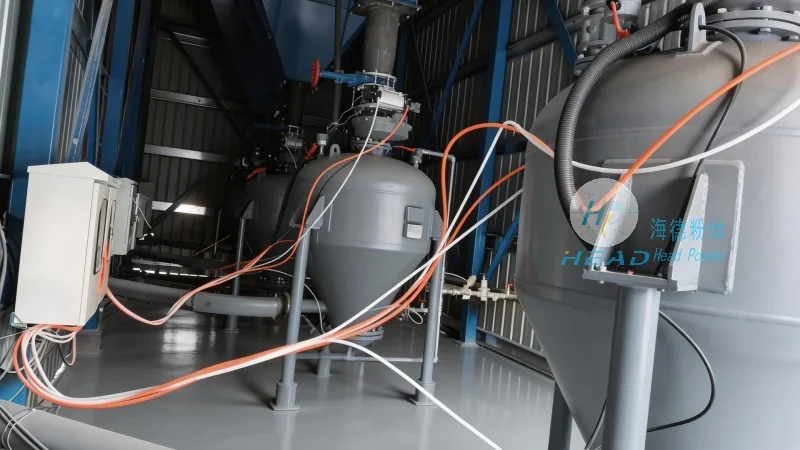
One of the critical components is the air compressor or blower, which generates the necessary pressure and airflow to move the material through the system. The compressor is usually equipped with a filter to remove moisture and contaminants from the air, ensuring the purity of the conveyed material. Additionally, the system may include a dust collector or cyclone separator to capture any fine particles that may escape during the process, enhancing safety and environmental compliance.
Operational Principle of the Equipment
The operational principle of the sugar cane pneumatic conveying equipment is based on the creation of a high-velocity air stream within the pipeline. As the material is introduced into the hopper and fed into the pipeline by the rotary valve, the air stream lifts and transports the particles. The velocity of the air is carefully controlled to ensure that the material is conveyed without excessive pressure drop or product degradation. The system operates on the principle of fluidization, where the material is suspended in the air stream, allowing it to move smoothly through the pipeline.
The receiver at the end of the pipeline collects the conveyed material, which is then discharged into a storage or processing unit. The entire process is automated and can be controlled through a programmable logic controller (PLC), allowing for precise regulation of the material flow rate and air pressure. This automation ensures consistent performance and reduces the need for manual intervention, improving operational efficiency and reducing labor costs.
Advantages of Using Pneumatic Conveying for Sugar Cane Handling
Implementing pneumatic conveying systems for sugar cane handling offers several advantages over traditional methods such as belt conveyors or bucket elevators. One of the key benefits is the ability to handle fine powders and granules without the risk of product contamination or degradation. The enclosed system also prevents dust emissions, improving workplace safety and environmental protection. Additionally, pneumatic conveying systems are more flexible in terms of layout, as they can be installed in various configurations to fit the specific space and operational requirements of a facility.
Another advantage is the reduced maintenance requirements compared to mechanical systems. Since there are fewer moving parts in contact with the material, the risk of wear and tear is lower, leading to longer equipment life and lower maintenance costs. The system also allows for easy integration with other processing equipment, such as grinding or refining machines, enabling a seamless flow of materials through the production line.
Applications in the Sugar Industry
Sugar cane pneumatic conveying equipment is widely used in various stages of the sugar production process. From the initial handling of raw cane at the mill to the transport of refined sugar to storage silos, the equipment plays a crucial role in maintaining the efficiency and quality of the production process. In the raw sugar processing stage, the equipment is used to transport crushed cane and molasses, ensuring a continuous flow of materials to the next processing step. In the refining stage, it is used to convey refined sugar, preventing any contamination and maintaining the product's purity.
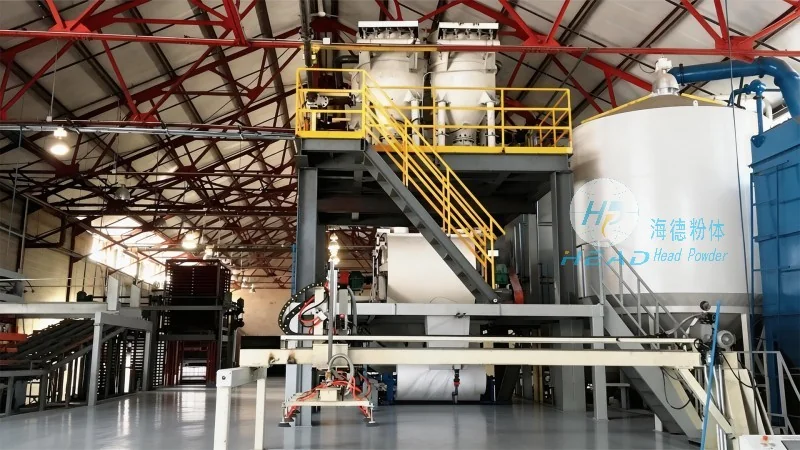
Furthermore, the equipment is also used in the transportation of by-products such as bagasse, which is the fibrous residue left after the cane is crushed. The pneumatic conveying system allows for the efficient collection and transport of bagasse to be used as fuel in the sugar mill's boilers, contributing to energy savings and sustainability in the production process.
Conclusion
HeadPowder's sugar cane pneumatic conveying equipment represents a sophisticated solution for efficient bulk material handling in the sugar industry. By understanding the structure and operational principles of this equipment, manufacturers can optimize their production processes, improve product quality, and enhance operational efficiency. The advanced design and engineering of the system ensure reliable performance, minimal maintenance, and compliance with industry standards, making it an ideal choice for modern sugar processing facilities.