

Ferrous Sulfate Pneumatic Conveying Equipment: Structure and Working Principle of Powder Handling Sy
When it comes to efficiently transporting ferrous sulfate, a critical component in various industrial processes, the use of pneumatic conveying systems has become increasingly prevalent. These systems offer a reliable and effective method for handling powders, ensuring minimal product degradation and maintaining consistent flow rates. This article delves into the structure and working principle of such equipment, specifically focusing on ferrous sulfate pneumatic conveying systems, and highlights the expertise of Shandong HeadPowder Engineering Co., Ltd. in providing tailored solutions for powder handling needs.
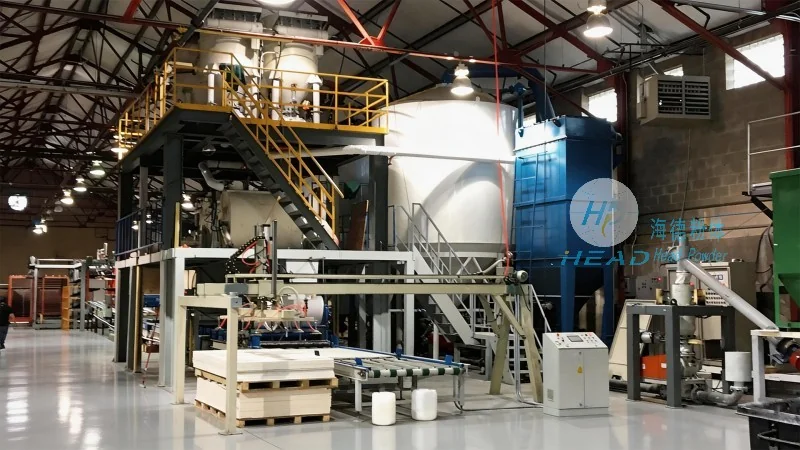
Understanding Ferrous Sulfate and Its Handling Requirements
Ferrous sulfate, also known as iron(II) sulfate, is a common chemical compound used in water treatment, agriculture, and industrial applications. Its fine powder form requires specialized equipment to transport without caking or degradation. Traditional methods like belt conveyors or bucket elevators may not be suitable due to the risk of product contamination or uneven flow. Pneumatic conveying systems, on the other hand, provide a closed-loop environment that preserves the integrity of the material while ensuring efficient transfer.
The Core Components of Pneumatic Conveying Systems for Ferrous Sulfate
A pneumatic conveying system for ferrous sulfate typically consists of several key components that work in tandem to achieve seamless material transport. The primary elements include a feeding device, a conveying pipeline, a separation unit, and a dust collection system. Each component plays a crucial role in the overall operation, ensuring that the material is moved safely and efficiently from the source to the destination.
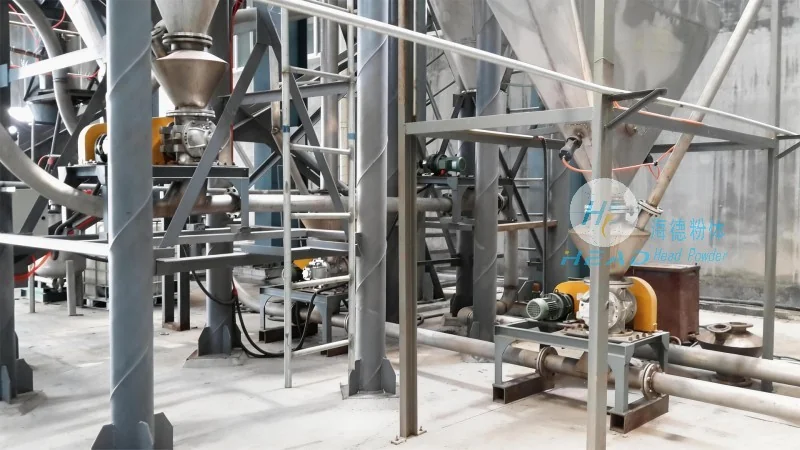
Feeding Device: Ensuring Consistent Material Input
The feeding device is the initial stage of the pneumatic conveying system, responsible for introducing ferrous sulfate into the pipeline. For ferrous sulfate, which can be prone to bridging or clogging, a rotary valve or a star feeder is commonly used. These devices provide a controlled and continuous flow of material, preventing blockages and maintaining a steady supply to the conveying line. The design of the feeding device is critical as it directly impacts the system's overall performance and the quality of the transported material.
Conveying Pipeline: The Path for Material Transport
The conveying pipeline is the central part of the system, responsible for transporting ferrous sulfate from the feeding point to the discharge point. The pipeline is typically made of stainless steel or other corrosion-resistant materials to withstand the chemical properties of ferrous sulfate and prevent contamination. The design of the pipeline, including the diameter and the angle of inclination, is carefully calculated to optimize the conveying velocity and minimize the risk of material deposition or blockages. In some systems, the pipeline may include bends or elbows that are designed to minimize pressure loss and maintain the flow of the material.
Separation Unit: Recovering and Controlling Air Flow
At the end of the conveying pipeline, a separation unit is used to separate the ferrous sulfate from the air stream. This unit typically consists of a cyclone separator or a bag filter, which captures the powder and returns it to the system or to a storage container. The separation unit is essential for maintaining the purity of the material and preventing dust emissions into the environment. The efficiency of the separation unit directly affects the overall performance of the system, as it ensures that the material is fully recovered and that the air is clean before being discharged.
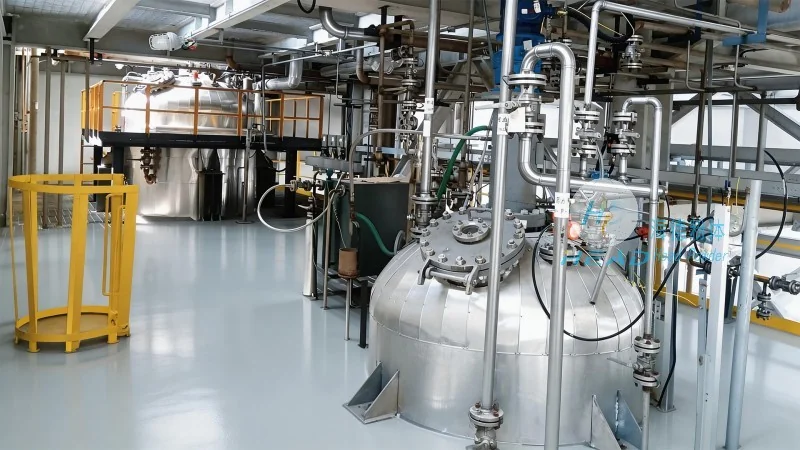
Dust Collection System: Ensuring Environmental Compliance
Along with the separation unit, a dust collection system is often integrated into the pneumatic conveying system to capture any fine particles that may escape during the conveying process. This system typically includes a filter or a baghouse that collects the dust and prevents it from being released into the atmosphere. The dust collection system is crucial for maintaining environmental compliance and ensuring the safety of the workplace. It also helps in maintaining the cleanliness of the material, as any residual dust can affect the quality of the ferrous sulfate.
The Working Principle of Pneumatic Conveying for Ferrous Sulfate
The operation of a pneumatic conveying system for ferrous sulfate involves the use of compressed air to create a flow of material through the pipeline. The feeding device introduces the ferrous sulfate into the pipeline, and the compressed air then propels the material forward. The air velocity is carefully controlled to ensure that the material is carried along without settling or clogging. The separation unit then captures the material from the air stream, and the air is either recirculated or discharged after being filtered. This process is continuous and can be adjusted to handle varying quantities of ferrous sulfate, making it a versatile solution for different industrial applications.
Advantages of Pneumatic Conveying Systems for Ferrous Sulfate
There are several advantages to using pneumatic conveying systems for ferrous sulfate. Firstly, these systems provide a closed-loop environment that prevents contamination and maintains the purity of the material. This is particularly important for ferrous sulfate, which is used in applications where quality is critical, such as water treatment or pharmaceuticals. Secondly, pneumatic conveying systems are capable of handling a wide range of material properties, including fine powders and those that are prone to caking. This makes them suitable for various industrial processes. Thirdly, the systems are relatively easy to install and maintain, with minimal downtime required for maintenance. Finally, pneumatic conveying systems can be customized to meet specific requirements, such as the capacity and the distance of the material transport.
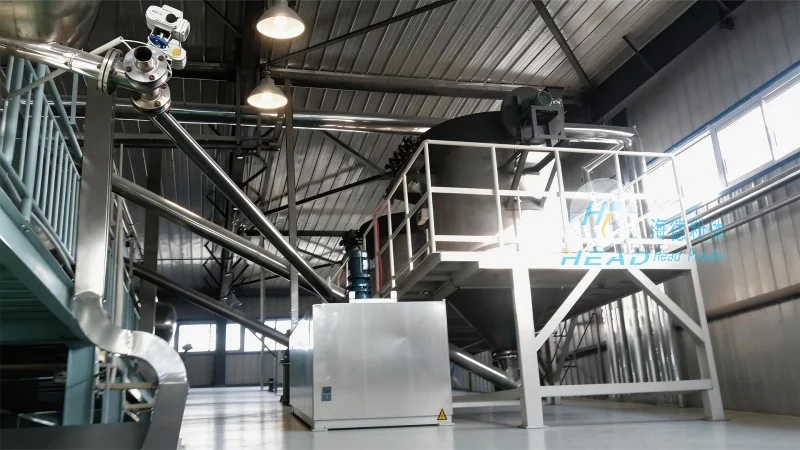
Customization and Application in Industrial Settings
Shandong HeadPowder Engineering Co., Ltd. specializes in designing and manufacturing customized pneumatic conveying systems for ferrous sulfate and other powders. The company understands that each industrial application has unique requirements, and therefore, offers tailored solutions that meet the specific needs of the client. The systems can be designed to handle different capacities, from small-scale operations to large industrial plants. The company also provides after-sales support, including maintenance and repair services, to ensure that the systems operate efficiently and reliably over time.
Conclusion: The Importance of Efficient Powder Handling
In conclusion, pneumatic conveying systems are an essential component in the efficient handling of ferrous sulfate. The structure and working principle of these systems are designed to ensure the safe and reliable transport of the material, while maintaining its quality and purity. The expertise of companies like Shandong HeadPowder Engineering Co., Ltd. is crucial in providing these solutions, as they understand the unique challenges of handling ferrous sulfate and can offer customized systems that meet the specific needs of the client. As the demand for efficient powder handling increases, pneumatic conveying systems will continue to play a vital role in various industrial applications.