

What is the Tailings Slurry Pneumatic Conveying Equipment? Introduction to the Structure and Working
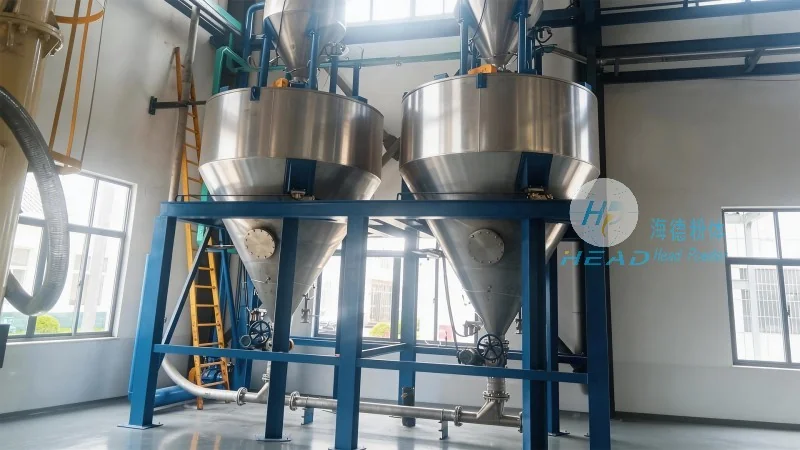
Tailings slurry, a byproduct of mining operations, poses significant challenges in handling and transportation due to its high moisture content and abrasive nature. The tailings slurry pneumatic conveying equipment, developed by Shandong HeadPowder Engineering Co., Ltd., offers an efficient and reliable solution for transporting these materials over long distances. This equipment is designed to handle the unique characteristics of tailings slurry, ensuring minimal wear and tear while maintaining high throughput rates.
Company Overview: HeadPowder
HeadPowder, the manufacturer of this advanced tailings slurry pneumatic conveying system, is a leading company in the field of powder handling and material transportation. With a strong presence in China, specifically in Shandong province, HeadPowder has established itself as a trusted provider of industrial equipment tailored to the needs of the mining and processing industries. The company specializes in designing and manufacturing equipment that addresses the specific challenges of handling abrasive and moisture-rich materials, such as tailings slurry.
Key Components and Structure of the Pneumatic Conveying System
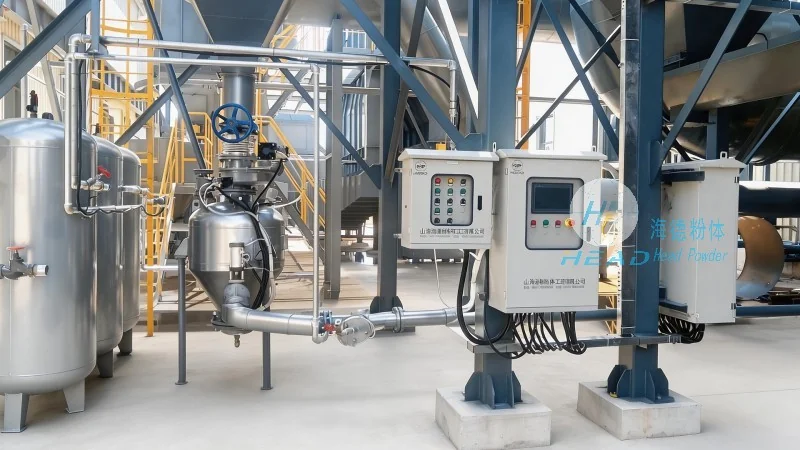
The tailings slurry pneumatic conveying equipment consists of several critical components that work in harmony to ensure efficient material transport. The main parts include the feeding system, the conveying pipeline, the air compressor, and the control unit. The feeding system is responsible for introducing the tailings slurry into the system, often using a hopper or a rotary valve to control the flow rate. The conveying pipeline, typically made of high-quality materials resistant to corrosion and abrasion, transports the slurry through the system. The air compressor generates the necessary pressure to move the slurry along the pipeline, while the control unit monitors and regulates the operation of the entire system to maintain optimal performance.
Working Principle of the Pneumatic Conveying Process
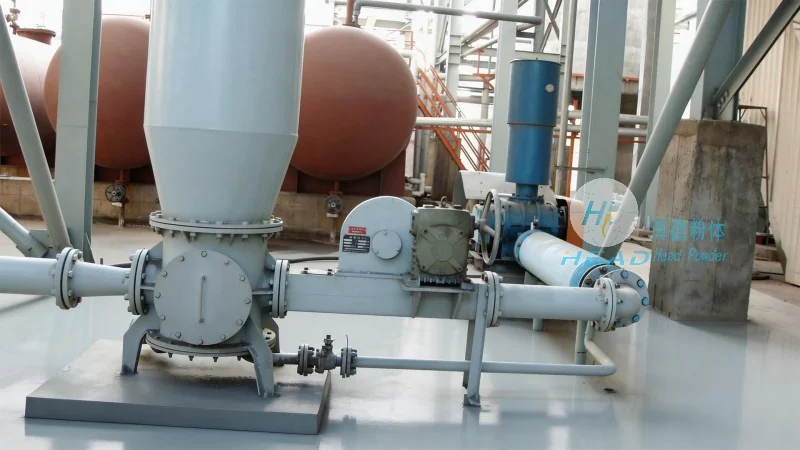
The operation of the tailings slurry pneumatic conveying equipment is based on the principle of pneumatic transport, where the material is suspended and transported by a stream of air. The process begins with the slurry being fed into the conveying pipeline. The air compressor then injects high-pressure air into the pipeline, creating a flow that lifts and moves the slurry particles. The air and slurry mixture travels through the pipeline to the discharge point, where the slurry is separated from the air and deposited in the receiving container. This method allows for the efficient transportation of tailings slurry without the need for mechanical components that would otherwise experience excessive wear from the abrasive nature of the material.
Advantages of Using Pneumatic Conveying for Tailings Slurry
Compared to traditional methods like belt conveyors or trucks, the pneumatic conveying system offers several advantages. It eliminates the need for heavy machinery and reduces the risk of material spillage, which is a common issue with other transport methods. The system also minimizes the environmental impact by reducing dust emissions and preventing soil contamination. Additionally, the pneumatic conveying equipment can handle a wide range of particle sizes and moisture contents, making it versatile for various mining operations. The low maintenance requirements and high reliability of the system further enhance its appeal to mining companies seeking efficient and cost-effective solutions for tailings slurry transportation.
Applications and Industries
The tailings slurry pneumatic conveying equipment is widely used in the mining industry, particularly in the processing of metal ores and coal. It is also applicable in other industries where the handling of abrasive and moisture-rich slurries is required, such as in the production of cement and in the treatment of industrial waste. The equipment's ability to transport materials over long distances makes it suitable for large-scale mining operations and industrial plants that require efficient material handling solutions.