

Principle of Cement Auxiliary Material Pneumatic Conveying Equipment
HeadPowder, a leading manufacturer based in Shandong, China, specializes in the design and production of pneumatic conveying equipment for cement auxiliary materials. This article delves into the fundamental principles behind these systems, explaining how they efficiently transport bulk materials like limestone, gypsum, and fly ash in cement production lines.
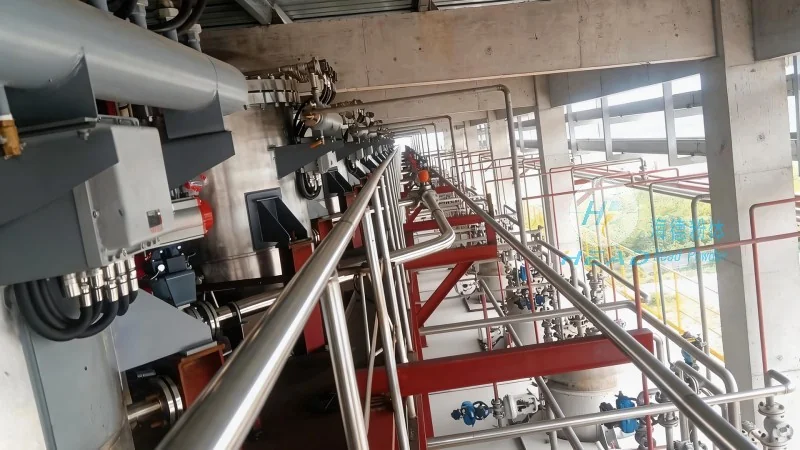
Understanding Pneumatic Conveying Systems
Pneumatic conveying, also known as pneumatic transport, is a method of moving bulk solid materials through a pipeline using air or gas as the conveying medium. In the context of cement production, auxiliary materials such as limestone, gypsum, and fly ash are typically transported from storage silos or stockpiles to the cement grinding mills. The core principle involves creating a pressure differential within the pipeline, which propels the material forward. There are two main types of pneumatic conveying systems: pressure and vacuum. Pressure systems use positive pressure to push material through the line, while vacuum systems use negative pressure to pull material. The choice between these systems depends on factors like material characteristics, distance, and system layout.
Key Components of Pneumatic Conveying Equipment
The effectiveness of a pneumatic conveying system relies on several critical components. These include the hopper or feeder, which feeds material into the pipeline; the conveying line, which transports the material; the pulse jet or rotary valve, which controls the flow of material; and the receiver or silo, where the material is deposited. The hopper is designed to ensure a consistent flow of material, preventing blockages and maintaining system efficiency. The conveying line is typically made of stainless steel or other corrosion-resistant materials to handle the abrasive nature of cement materials. The pulse jet or rotary valve regulates the amount of material entering the line, preventing overloading and ensuring smooth operation. The receiver is where the material is collected before being used in the cement production process.
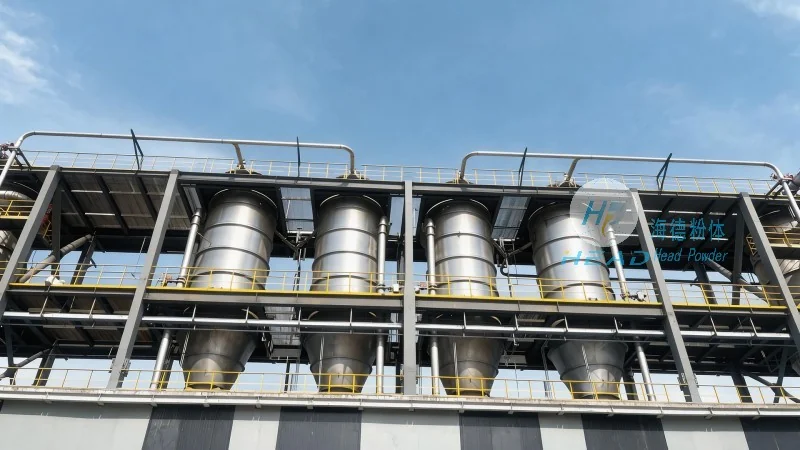
Advantages of Pneumatic Conveying for Cement Auxiliary Materials
Compared to traditional mechanical conveying methods like belt conveyors or bucket elevators, pneumatic conveying offers several advantages for transporting cement auxiliary materials. First, it provides a dust-free environment, which is crucial for maintaining a clean and safe working environment in cement plants. Second, it allows for the transportation of materials over long distances without the need for multiple transfer points. Third, it can handle a wide range of material sizes and shapes, including fine powders and irregularly shaped particles. Fourth, it is more energy-efficient than mechanical systems, as it uses less power to transport the same amount of material. Finally, it is more flexible in terms of system layout, as it can be easily modified or expanded to accommodate changes in production needs.
HeadPowder's Expertise in Pneumatic Conveying Technology
HeadPowder Engineering Co., Ltd., based in Shandong, China, is a reputable manufacturer specializing in the design and production of pneumatic conveying equipment for cement auxiliary materials. The company has extensive experience in the cement industry and understands the unique challenges of transporting bulk materials in cement production lines. HeadPowder's team of engineers and technicians work closely with clients to develop customized solutions that meet their specific needs. The company uses advanced design software and manufacturing techniques to ensure that its equipment is of high quality and meets international standards. HeadPowder's products are known for their durability, efficiency, and reliability, making them a preferred choice for cement plants worldwide.
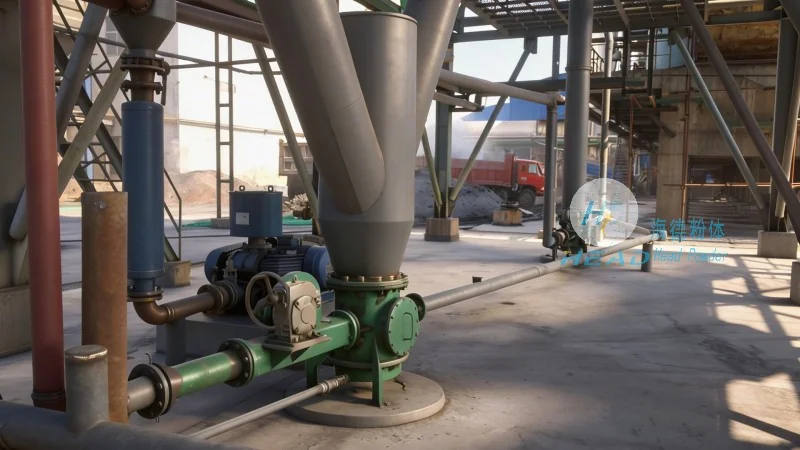
Applications of Pneumatic Conveying in Cement Production
Pneumatic conveying equipment is widely used in various stages of cement production. For example, limestone, the primary raw material for cement, is often transported from quarries to the cement plant using pneumatic conveying systems. Gypsum, which is used to control the setting time of cement, is also transported using these systems. Fly ash, a byproduct of coal combustion, is another material that is commonly transported using pneumatic conveying. In addition to these materials, other auxiliary materials like clay and iron ore are also transported using pneumatic conveying systems. The use of pneumatic conveying in cement production helps to improve the efficiency of the production process and reduce costs.
Conclusion
In conclusion, pneumatic conveying is an essential technology in the cement industry for transporting auxiliary materials. The principles behind these systems are based on creating a pressure differential within a pipeline to move bulk materials. The key components of these systems include the hopper, conveying line, control valve, and receiver. Pneumatic conveying offers several advantages over traditional mechanical systems, including dust-free operation, long-distance transport, and flexibility. HeadPowder Engineering Co., Ltd., based in Shandong, China, is a leading manufacturer of pneumatic conveying equipment for cement auxiliary materials, offering customized solutions that meet the specific needs of cement plants. By using pneumatic conveying systems, cement manufacturers can improve the efficiency of their production process and reduce costs.