

Principle of Pneumatic Conveying Equipment for Lithium-Ion Battery Materials
For companies in the lithium-ion battery industry, the efficient and reliable handling of raw materials is a critical factor in production efficiency and product quality. Pneumatic conveying equipment has emerged as a key solution for transporting fine powders and granules, such as those used in battery production. This article explores the fundamental principles behind pneumatic conveying systems, specifically tailored for lithium-ion battery materials, and highlights the technological advancements and practical applications of such equipment in industrial settings.
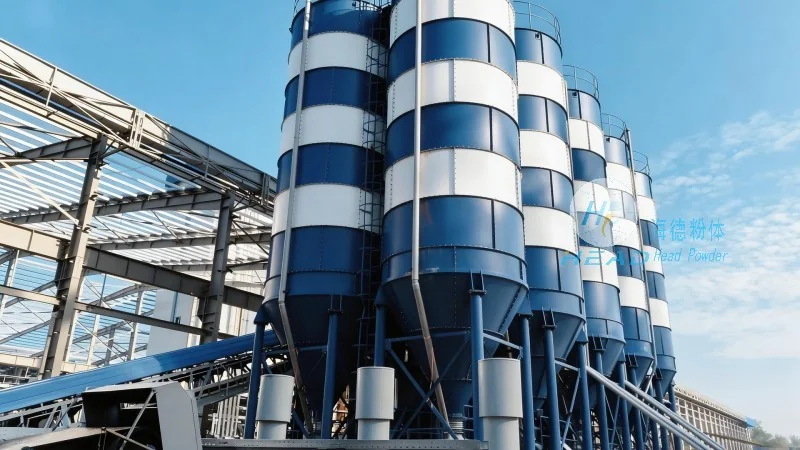
Understanding Pneumatic Conveying Technology
Pneumatic conveying, also known as powder and bulk material handling, is a method of transporting solid materials through a pipeline using a fluid, typically air. The process can be broadly categorized into two main types: pressure conveying and vacuum conveying. Pressure conveying uses compressed air to push material through the system, while vacuum conveying employs a vacuum to draw material into the pipeline. Each type has distinct advantages and is suitable for different material characteristics and application scenarios.
In the context of lithium-ion battery materials, such as lithium carbonate, nickel oxide, and graphite powders, the choice of conveying method depends on factors like material density, flowability, and the need for contamination control. For example, vacuum conveying is often preferred for materials that are hygroscopic or sensitive to moisture, as it minimizes exposure to the environment. Conversely, pressure conveying may be more suitable for bulkier materials that require higher flow rates and less energy consumption.
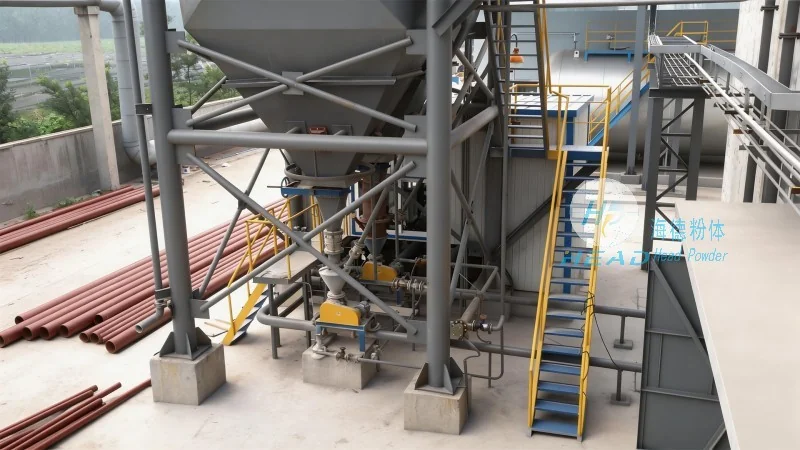
Key Components of Pneumatic Conveying Equipment
The effectiveness of a pneumatic conveying system relies on several critical components that work in tandem to ensure smooth material transport. The primary components include the feed hopper, airlock or rotary valve, conveying line, separator or filter, and discharge device. Each component plays a vital role in the overall operation:
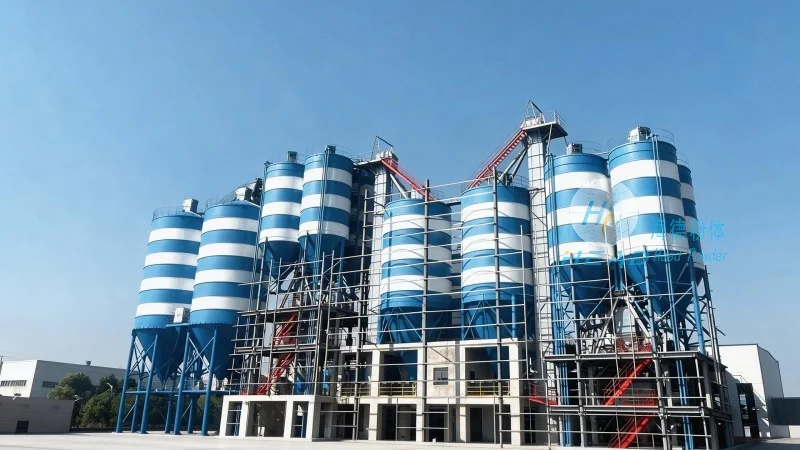
- Feed Hopper: Stores the raw material and provides a consistent feed to the system. It often includes a hopper with a conical bottom to facilitate material flow and prevent clogging.
- Airlock or Rotary Valve: Regulates the flow of material into the conveying line, preventing backflow and ensuring a steady supply. This component is crucial for maintaining system pressure and preventing material spillage.
- Conveying Line: The pipeline through which the material and air travel. The material is suspended in the air stream and transported to the destination. The diameter and length of the line are designed based on the material's properties and the required flow rate.
- Separator or Filter: Removes the material from the air stream at the end of the line. This component is essential for preventing dust and particles from escaping into the environment and for maintaining air quality in the workplace.
- Discharge Device: Delivers the material to its final destination, such as a storage silo or processing unit. This device can be a hopper, a bin, or a direct discharge into a production line.
Application in Lithium-Ion Battery Material Handling
Lithium-ion battery manufacturers require precise control over material handling to ensure uniform composition and consistent battery performance. Pneumatic conveying equipment offers several advantages in this context:
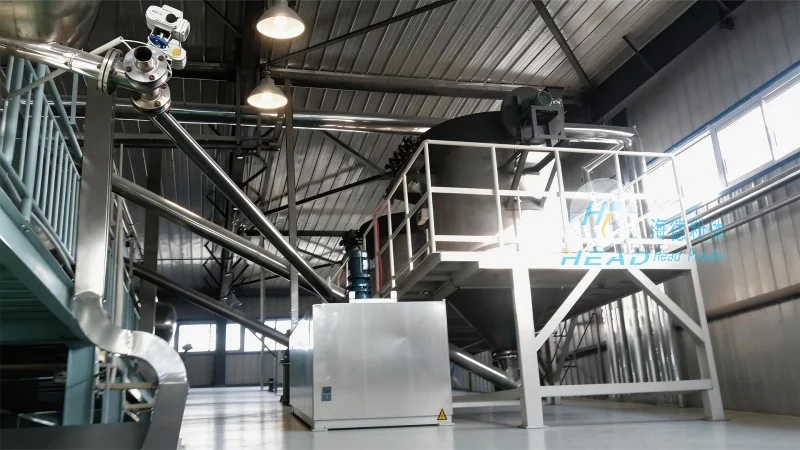
- Contamination Control: The enclosed system prevents material from coming into contact with external contaminants, such as moisture or dust, which can affect battery quality.
- Energy Efficiency: Modern pneumatic conveying systems are designed to minimize energy consumption while maintaining high throughput. This is achieved through optimized air flow rates and efficient component design.
- Space Efficiency: The compact design of pneumatic conveying equipment allows for installation in limited spaces, making it suitable for existing production facilities.
- Flexibility: The system can be easily integrated with other production equipment, such as mixers and extruders, to form a seamless material handling process.
Company Profile: Shandong HeadPowder Engineering Co., Ltd.
Shandong HeadPowder Engineering Co., Ltd., commonly known as HeadPowder, is a leading manufacturer of pneumatic conveying equipment tailored for the lithium-ion battery industry. With a focus on innovation and customer-centric solutions, HeadPowder has developed advanced systems that meet the specific demands of battery material handling. The company's products are designed to enhance production efficiency, reduce operational costs, and ensure product quality.
HeadPowder's team of engineers and technicians has extensive experience in the design and manufacturing of bulk material handling systems. By leveraging cutting-edge technology and adhering to strict quality standards, the company provides reliable and durable equipment that meets the needs of modern battery production facilities. The company's commitment to research and development ensures that its products remain at the forefront of industry trends, offering solutions that adapt to evolving production requirements.