

Principle of Wheat Flour Pneumatic Conveying Equipment
Wheat flour pneumatic conveying equipment is a critical component in the flour milling industry, designed to efficiently transport bulk wheat flour and other powders from one location to another. This equipment operates on the principle of air flow, utilizing pressure or vacuum to move materials through a pipeline system. The technology has revolutionized the way flour is handled, offering advantages such as reduced labor costs, improved hygiene, and enhanced safety compared to traditional methods like bucket elevators or belt conveyors.
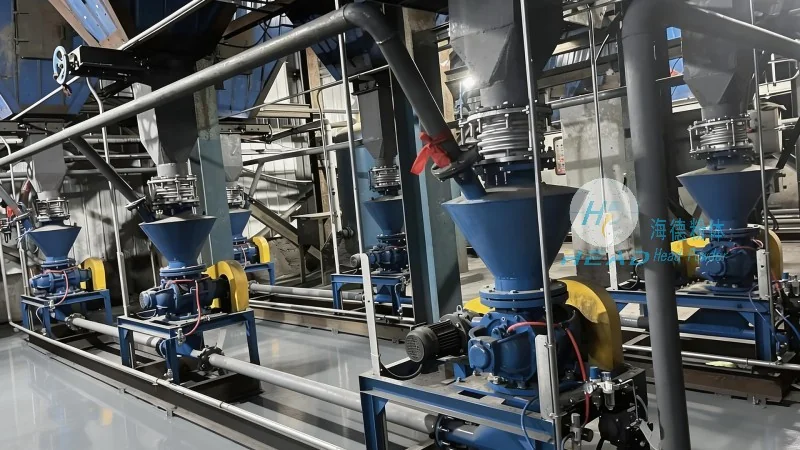
Company Overview: HeadPowder
HeadPowder, or Shandong HeadPowder Engineering Co., Ltd., is a leading manufacturer specializing in industrial conveying solutions. With a strong presence in China, particularly in Shandong, the company has built a reputation for delivering high-quality, reliable equipment tailored to the specific needs of the flour and food processing sectors. Their expertise lies in designing systems that optimize material flow while ensuring compliance with industry standards and safety regulations.
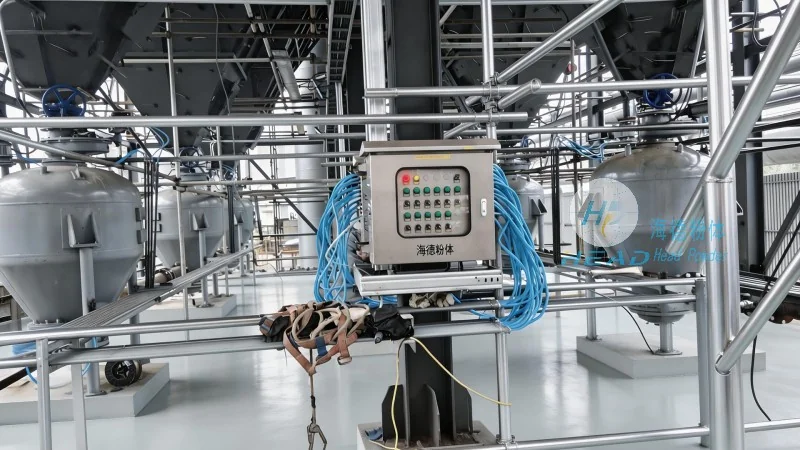
The Fundamental Principle of Pneumatic Conveying
The core principle of pneumatic conveying for wheat flour involves the use of air as the medium to transport particles. In a typical system, the process starts with the material being fed into a hopper or silo. From there, the material is drawn into a pipeline by a fan or blower, which creates a pressure differential. As air and flour mix, the mixture travels through the pipeline to the discharge point. The system can operate under either positive pressure (where air pushes the material) or negative pressure (where air pulls the material). The choice of pressure type depends on factors like the distance, material characteristics, and system layout.
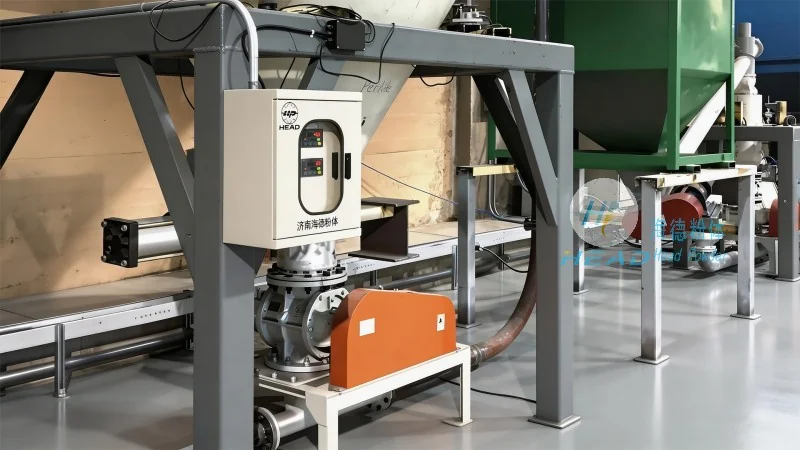
Key Components and Their Functions
Wheat flour pneumatic conveying systems consist of several key components, each playing a vital role in the overall operation. These include: 1. **Feeder**: This component controls the flow rate of the wheat flour into the system, ensuring a consistent feed to the conveying line. 2. **Fan or Blower**: Provides the necessary air pressure or vacuum to move the material through the pipeline. 3. **Conveying Pipeline**: The main channel where the air and flour mixture travels. 4. **Separation Unit**: Often a cyclone or filter system that separates the flour from the air at the discharge end, allowing the air to be recirculated or vented. 5. **Dust Collection System**: Collects any fine particles that may escape during the process, maintaining air quality and preventing contamination. Each component is carefully selected and integrated to ensure efficient and reliable operation.
Advantages of Pneumatic Conveying for Wheat Flour
Implementing pneumatic conveying systems for wheat flour offers numerous benefits. Firstly, it significantly reduces the risk of contamination, as the material is enclosed within the pipeline, minimizing exposure to external elements and cross-contamination. Secondly, the system is highly flexible, allowing for changes in material flow direction or destination without major structural modifications. Thirdly, it can handle a wide range of flour types and particle sizes, from fine to coarse, with consistent performance. Additionally, the equipment is relatively compact compared to traditional conveyors, saving valuable floor space in processing facilities. Finally, the automated nature of the system reduces the need for manual labor, leading to lower operational costs and improved workplace safety.
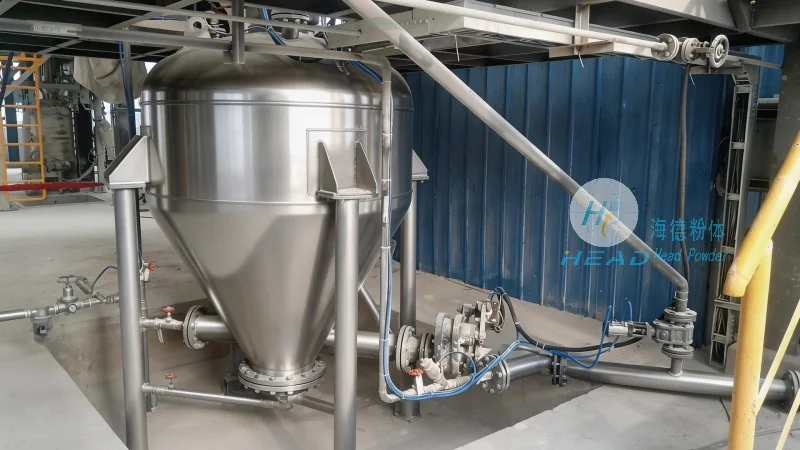
Application in the Flour Milling Industry
Wheat flour pneumatic conveying equipment is widely used in flour mills and food processing plants across China and globally. It is particularly valuable in large-scale operations where the volume of flour to be transported is high. The systems are often integrated into existing production lines, connecting silos, storage tanks, and processing equipment. By streamlining the material handling process, these systems contribute to increased productivity and operational efficiency. The reliability and durability of HeadPowder's equipment ensure that flour mills can maintain consistent production levels, even under demanding conditions.