

What is Biomass Pneumatic Conveying? What Are Its Design Principles?
Biomass pneumatic conveying is a critical technology in the processing and handling of biomass materials, such as wood chips, pellets, and other organic feedstocks. This method involves transporting solid particles through a pipeline using a gas stream, typically air or other gases. The technology is widely used in industries like biomass power generation, biofuel production, and agricultural processing due to its efficiency and flexibility in moving bulk materials over long distances or through complex layouts.

Key Components of a Biomass Pneumatic Conveying System
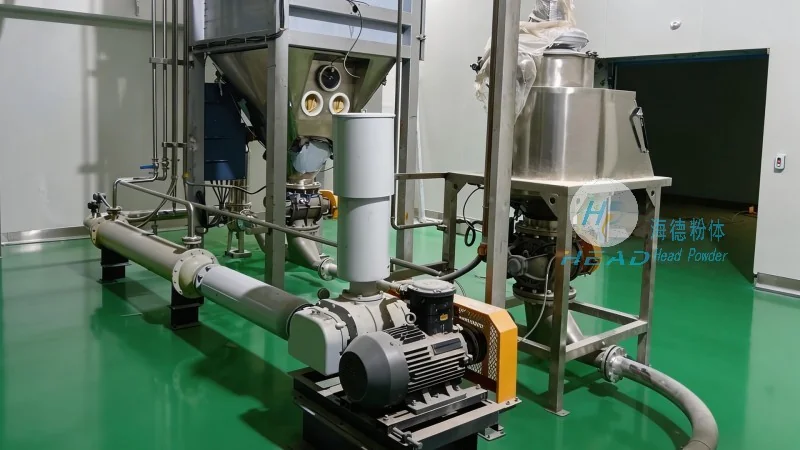
At the heart of any biomass pneumatic conveying system are several essential components that work in tandem to ensure effective material transport. The primary components include the material feed system, the conveying pipeline, the air or gas source, and the control and monitoring equipment. The material feed system is responsible for introducing the biomass into the system, often using hoppers or feeders that can handle varying feed rates. The pipeline, usually made of metal or high-quality plastic, provides the path for the material and gas mixture. The air or gas source, typically a blower or compressor, generates the necessary pressure or vacuum to move the material. Control systems are crucial for regulating the flow rate, pressure, and other parameters to maintain optimal performance and prevent system failures.
Design Principles for Biomass Pneumatic Conveying Systems
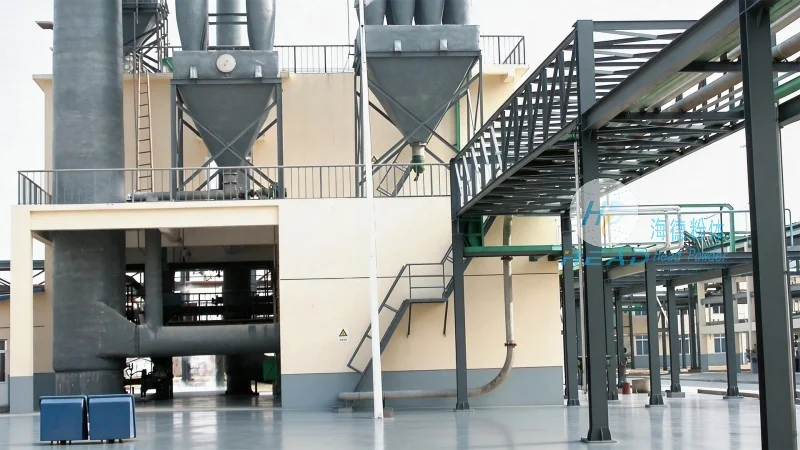
The design of a biomass pneumatic conveying system is governed by several key principles that ensure efficiency, reliability, and cost-effectiveness. One of the most important principles is the selection of the appropriate conveying velocity, which must be high enough to overcome the resistance of the material particles but not so high as to cause excessive wear on the system components. The design also considers the particle size, density, and moisture content of the biomass, as these factors significantly impact the required air velocity and system pressure. Another critical principle is the prevention of material degradation and blockages, which can be achieved through proper system sizing, the use of appropriate materials of construction, and the incorporation of cleaning mechanisms like reverse flow or pulse jets.
System Sizing and Performance Considerations
System sizing is a critical step in the design process, as it determines the capacity and efficiency of the conveying system. Engineers must calculate the required air volume and pressure based on the material characteristics, pipeline length, and number of bends or fittings. The system's performance is also influenced by the type of conveying system—whether it's a pressure or vacuum system—and the specific application requirements. For example, pressure systems are often used for long-distance or high-capacity transport, while vacuum systems are suitable for short-distance or gentle handling of delicate materials. The design must also account for the potential for material buildup or blockages, which can be mitigated through the use of inline mixers, cyclones, or other separation devices.
Applications and Benefits of Biomass Pneumatic Conveying
Biomass pneumatic conveying systems are used in a wide range of applications across various industries. In the biomass power generation sector, these systems are used to transport fuel from storage to the boiler or gasifier. In biofuel production, they help move raw materials to processing units like pelletizers or extruders. Agricultural processing facilities also benefit from this technology for handling crop residues and other organic materials. The key benefits of biomass pneumatic conveying include high throughput, low labor requirements, minimal material degradation, and the ability to handle materials in a dust-free environment. Additionally, the system's flexibility allows for easy integration with existing processing lines and the ability to adapt to changing production needs.
Case Study: HeadPowder's Biomass Pneumatic Conveying Solutions
Shandong HeadPowder Engineering Co., Ltd., a leading provider of material handling solutions, specializes in designing and manufacturing biomass pneumatic conveying systems tailored to the unique needs of biomass processing facilities. With years of experience in the industry, HeadPowder has developed a range of systems that incorporate advanced design principles and high-quality components. The company's solutions are engineered to handle a variety of biomass materials, from wood chips to pellets, and are designed to meet the specific requirements of each client. HeadPowder's expertise in system design ensures that the conveying systems are optimized for efficiency, reliability, and cost-effectiveness, providing long-term value to their customers. The company's commitment to quality and innovation has made it a trusted partner for biomass processing facilities worldwide.