

What is Dry Coffee Pneumatic Conveying? Understanding Its Design Principles
Dry coffee pneumatic conveying is a specialized method used in the coffee processing industry to transport coffee beans or ground coffee efficiently and hygienically. This technology relies on the principles of fluidization and air movement to move bulk materials through a system of pipes and equipment. As a key component in modern coffee production, understanding the design principles behind this process is crucial for optimizing efficiency and maintaining product quality.
What is Dry Coffee Pneumatic Conveying?
Dry coffee pneumatic conveying, also known as air conveying, is a technique that uses compressed air to transport dry coffee materials. Unlike traditional mechanical conveyors, this system eliminates the need for physical contact between the coffee and the conveying equipment, which is essential for preserving the aroma, flavor, and quality of the coffee beans. The process involves creating a low-pressure or high-pressure air stream that lifts and moves the coffee particles through a network of pipes. This method is widely adopted in coffee processing plants due to its ability to handle fine powders and granules without causing degradation or contamination.
The Core Components of a Dry Coffee Pneumatic Conveying System
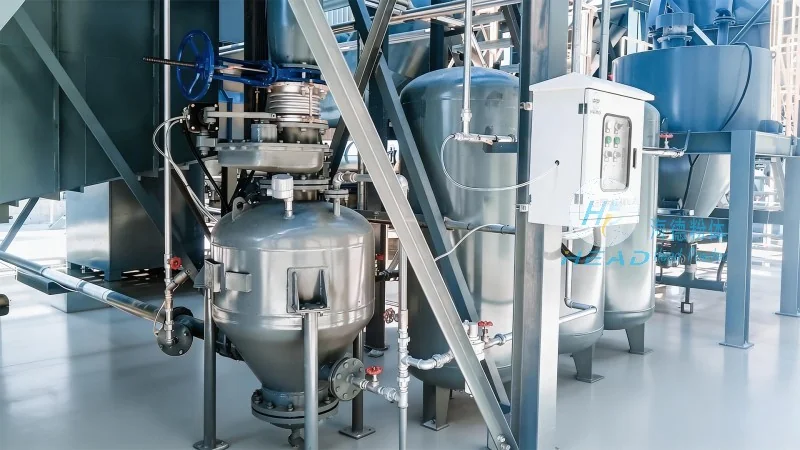
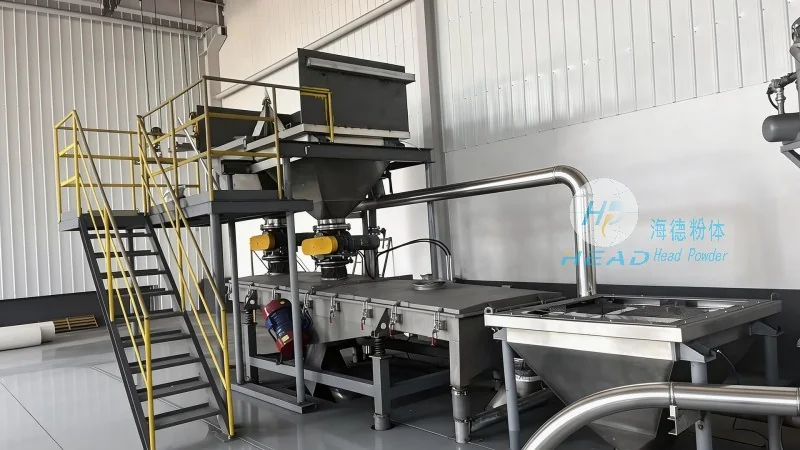
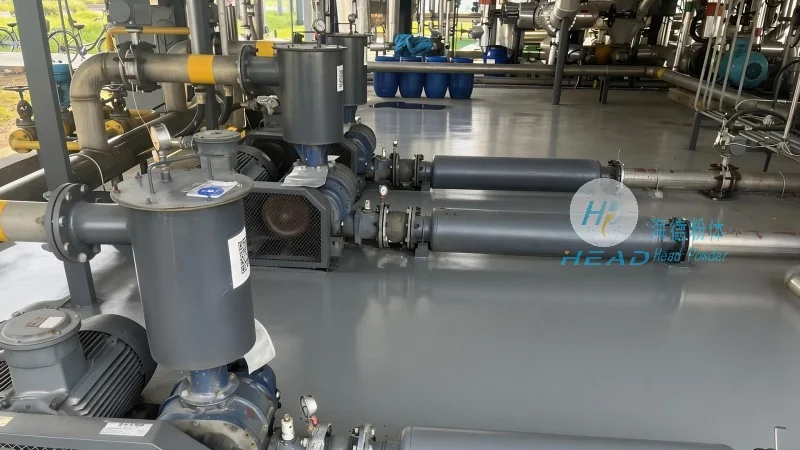
A typical dry coffee pneumatic conveying system consists of several key components that work in tandem to ensure effective material transport. The primary components include a blower or compressor to generate the necessary air pressure, a hopper or feeder to introduce the coffee into the system, a conveying line (usually made of stainless steel or other food-grade materials to maintain hygiene), and a receiver or discharge unit where the coffee is collected. Additionally, the system may include filters, cyclones, or separators to remove any moisture or impurities from the air stream, ensuring that the coffee remains dry and free from contaminants.
How the Design Principles Ensure Efficient Operation
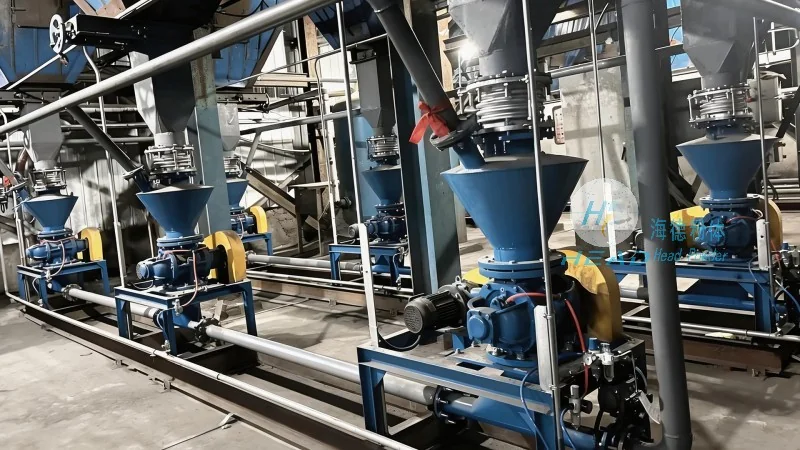
The design principles of dry coffee pneumatic conveying are centered around optimizing air flow, pressure, and material handling to achieve maximum efficiency. Engineers must carefully calculate the air velocity and pressure required to fluidize the coffee particles and move them through the system without causing excessive wear or energy consumption. The choice of equipment, such as the type of blower (positive displacement or centrifugal), the diameter of the conveying pipes, and the angle of the system, all play critical roles in determining the system's performance. For instance, the use of stainless steel pipes not only ensures hygiene compliance but also reduces friction, allowing for smoother and more energy-efficient transport. Furthermore, the inclusion of features like air locks and rotary valves helps to control the flow of coffee and prevent backflow, which is essential for maintaining a consistent and reliable operation.
Key Design Considerations for Dry Coffee Pneumatic Conveying
When designing a dry coffee pneumatic conveying system, several factors must be considered to ensure optimal performance and longevity. First, the system must be designed to handle the specific characteristics of coffee beans or ground coffee, such as their size, density, and moisture content. For example, fine ground coffee requires higher air velocities and lower pressure to prevent clogging, while larger coffee beans may need a different approach to ensure proper fluidization. Second, the system must be constructed from materials that are resistant to corrosion and can withstand the acidic nature of coffee, typically using stainless steel or food-grade plastics. Third, the design must incorporate safety features, such as pressure relief valves and emergency shut-off mechanisms, to prevent accidents and ensure compliance with industry standards. Finally, the system should be designed for easy maintenance and cleaning, as coffee processing environments require regular sanitation to maintain product quality and prevent microbial growth.
Applications of Dry Coffee Pneumatic Conveying in Coffee Production
Dry coffee pneumatic conveying is widely used in various stages of coffee production, from raw bean handling to final product packaging. In the initial stages, the system can be used to transport coffee beans from storage silos to processing equipment, such as roasters or decaffeination units. During the roasting process, the system may be employed to move roasted beans to cooling chambers or packaging lines. For ground coffee, the pneumatic conveying system is essential for transporting the fine powder from grinding machines to storage silos or packaging machines. This technology also plays a role in quality control, as it allows for the efficient transfer of samples for testing and analysis. Overall, the versatility and efficiency of dry coffee pneumatic conveying make it an indispensable part of modern coffee processing operations.
About Shandong HeadPowder Engineering Co., Ltd.
Shandong HeadPowder Engineering Co., Ltd., commonly known as HeadPowder, is a leading manufacturer and supplier of pneumatic conveying systems and related equipment for the food and beverage industry. With years of experience in the field, HeadPowder specializes in designing and manufacturing high-quality dry coffee pneumatic conveying systems that meet the stringent requirements of the coffee processing industry. The company's products are known for their durability, efficiency, and compliance with food safety standards. HeadPowder's team of engineers and technicians work closely with clients to understand their specific needs and provide customized solutions that optimize their coffee production processes. The company is committed to delivering reliable and innovative solutions that help coffee producers enhance their operational efficiency and maintain the quality of their products. HeadPowder is located in Shandong, China, and serves clients worldwide with its advanced technology and customer-centric approach.