

What is a Negative Pressure Pneumatic Conveying System? What are its Design Principles?
For industrial applications requiring efficient and safe material handling, negative pressure pneumatic conveying systems have emerged as a reliable solution. These systems utilize a vacuum to draw materials from a source to a destination, offering advantages such as minimal product contamination, reduced dust exposure, and the ability to handle a wide range of materials. Understanding the core components and design principles of such systems is crucial for optimizing performance and ensuring operational efficiency.
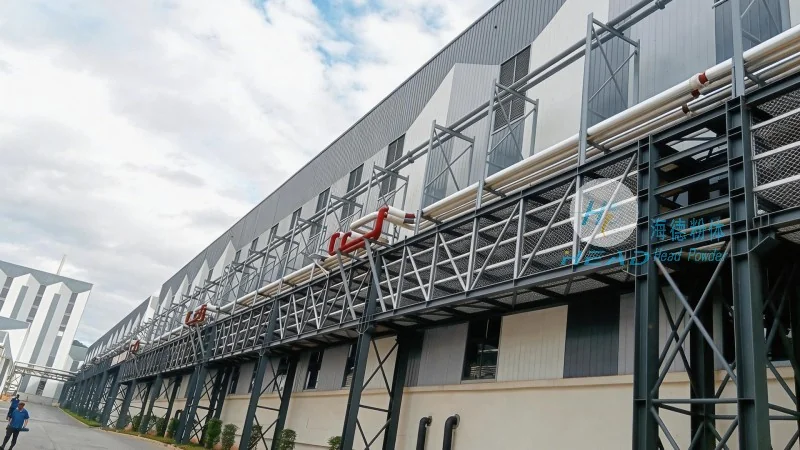
Introduction to Negative Pressure Pneumatic Conveying Systems
A negative pressure pneumatic conveying system operates by creating a vacuum in the conveying line, which draws material particles from a hopper or storage bin into the system. The system typically consists of several key components, including a vacuum pump, a material feed hopper, a conveying line, and a receiver or collection unit. The vacuum pump generates the necessary suction force to move the material, while the feed hopper controls the flow rate and prevents material from entering the line too quickly, which could cause blockages or pressure spikes.
Key Components of a Negative Pressure Pneumatic Conveying System
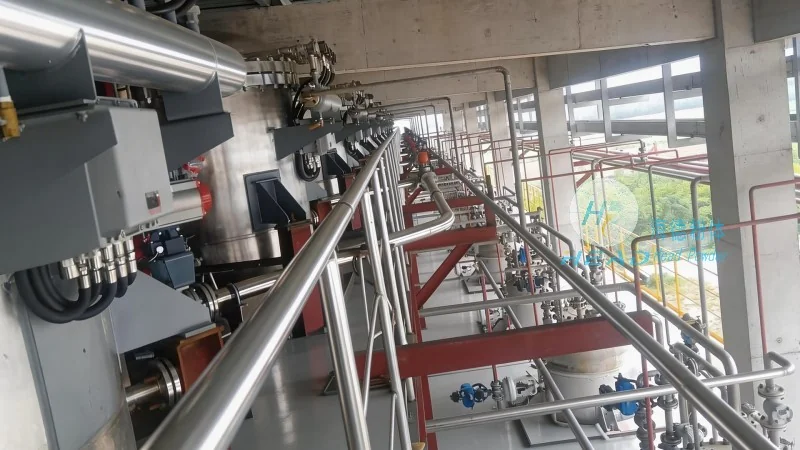
The design of a negative pressure system relies on carefully selected components that work in harmony to ensure smooth operation. The vacuum pump is the heart of the system, responsible for maintaining the negative pressure within the conveying line. Common types of vacuum pumps used include rotary vane pumps, roots blowers, and liquid ring pumps, each with its own advantages in terms of efficiency, noise levels, and maintenance requirements. The material feed hopper is another critical component, often equipped with a rotary valve or feeder to regulate the material flow. This component ensures a consistent feed rate, preventing overloading of the conveying line and reducing the risk of material bridging or clogging.
The conveying line itself is typically made of stainless steel or other corrosion-resistant materials to handle various types of materials, from powders to granules. The line diameter and length are carefully calculated based on the material's properties, such as particle size, density, and flowability. Additionally, the line may include components like bends, elbows, and filters to maintain the vacuum and prevent material buildup. The receiver or collection unit is where the material is deposited after being conveyed, often equipped with a dust filter or cyclone to separate any fine particles from the air before it is released back into the environment.
Design Principles for Optimal Performance
Designing a negative pressure pneumatic conveying system involves several key principles aimed at maximizing efficiency and minimizing operational issues. One of the primary principles is maintaining a consistent vacuum level throughout the system. This requires selecting a vacuum pump with sufficient capacity to handle the system's total pressure drop, which includes the resistance from the conveying line, bends, and filters. The system's pressure drop is influenced by factors such as line length, diameter, and the number of bends, as well as the material's properties, including particle size and density.
Another important design principle is ensuring proper material feed control. The feed hopper and associated feeder must be sized and configured to match the material's flow characteristics. For cohesive or sticky materials, additional equipment like vibrators or agitators may be required to prevent material bridging or clogging. The feed rate is typically adjusted based on the system's capacity and the desired conveying speed, ensuring that the material is conveyed at an optimal velocity to prevent particle degradation or loss of material.
The system's layout and configuration also play a critical role in its performance. The distance between the feed hopper and the receiver, as well as the number and angle of bends, must be optimized to minimize pressure loss and maintain the vacuum. Proper alignment of components and the use of smooth, unobstructed lines are essential to prevent air leaks or blockages that could reduce the system's efficiency. Additionally, the inclusion of filters and cyclones helps maintain the system's vacuum by removing fine particles from the air stream, reducing the risk of system failure due to excessive pressure buildup.
Applications and Benefits of Negative Pressure Pneumatic Conveying
Negative pressure pneumatic conveying systems are widely used in various industries, including pharmaceuticals, food processing, chemical manufacturing, and mining. These systems are particularly suitable for handling materials that are sensitive to contamination or require a dust-free environment, such as powders used in pharmaceuticals or food products. The benefits of negative pressure systems include reduced product contamination, lower dust exposure for operators, and the ability to handle materials that are difficult to convey using positive pressure systems, such as fine powders or materials with high moisture content.
Furthermore, negative pressure systems offer advantages in terms of energy efficiency and cost-effectiveness. By using a vacuum pump to draw material, the system can operate with lower energy consumption compared to positive pressure systems, which require higher pressure to force material through the line. This results in lower operational costs and reduced environmental impact. Additionally, the system's design allows for easy integration with existing facilities, minimizing the need for major modifications or construction.
Conclusion and Company Overview
In conclusion, negative pressure pneumatic conveying systems are a sophisticated and effective solution for material handling in industrial applications. Their design, which relies on precise components and careful engineering, ensures efficient and safe material transport. The key to successful implementation lies in understanding the system's components, adhering to design principles, and optimizing the system for the specific material being handled.
Shandong HeadPowder Engineering Co., Ltd., a leading provider of material handling solutions, specializes in designing and manufacturing negative pressure pneumatic conveying systems tailored to meet the unique needs of various industries. With a focus on quality, efficiency, and customer satisfaction, the company offers comprehensive solutions that enhance operational performance and reduce costs. HeadPowder's expertise in system design and engineering ensures that clients receive systems that are optimized for their specific applications, providing reliable and efficient material handling solutions. Based in Shandong, China, the company leverages its experience and technical capabilities to deliver high-quality products and services to customers worldwide.