

What is Oat Cereal Pneumatic Conveying Equipment? And What Are Its Design Principles?
Oat cereal pneumatic conveying equipment is a specialized system designed to transport oat grains and related cereal products through a pneumatic (air-based) mechanism. This technology is widely used in the food processing industry, particularly for handling oat-based materials such as oat flour, oat flakes, and whole oat kernels. The equipment operates by using compressed air to move the material from one location to another, eliminating the need for traditional mechanical conveyors that may cause product damage or contamination. HeadPowder, a leading manufacturer based in Shandong, China, specializes in developing and supplying high-quality pneumatic conveying systems tailored for oat processing applications.
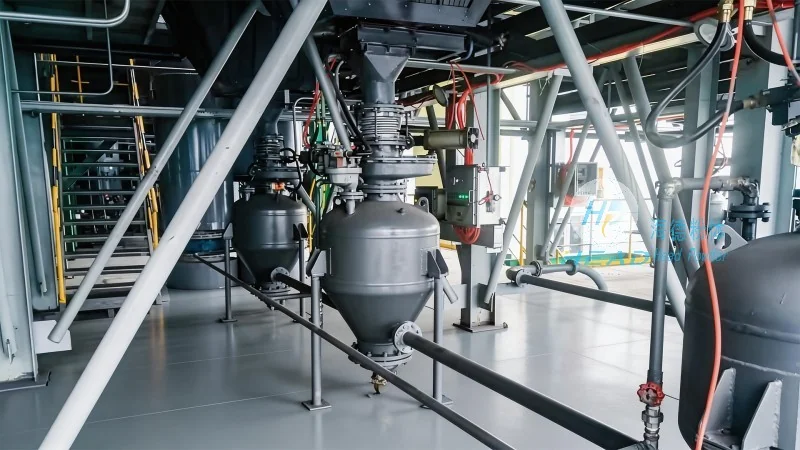
Core Components of the Pneumatic Conveying System
The oat cereal pneumatic conveying equipment typically consists of several key components that work in tandem to ensure efficient and reliable material transport. The primary components include a hopper or feeder to store and meter the oat material, a compressor or air supply unit to generate the necessary air pressure, a pipeline system to carry the material and air mixture, and a receiver or discharge unit to collect the conveyed material. Additionally, the system may incorporate filters to remove dust and debris from the air stream, ensuring product purity and equipment longevity. Each component is carefully engineered to handle the specific characteristics of oat grains, such as their size, density, and moisture content, to prevent blockages and maintain consistent performance.
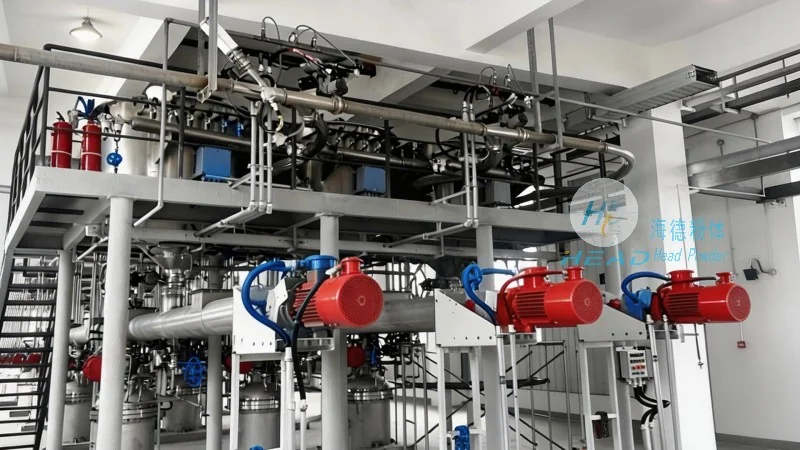
Design Principles and Operational Mechanisms
The design principles of oat cereal pneumatic conveying equipment are centered on optimizing air flow, material handling efficiency, and energy consumption. The system operates on the principle of creating a pressure differential between the inlet and outlet of the pipeline. When the compressor supplies compressed air into the hopper, it creates a low-pressure zone at the discharge end, which draws the oat material into the pipeline along with the air. The air flow velocity is carefully controlled to ensure that the material is carried as a dilute or dense phase, depending on the application requirements. For oat processing, a dilute phase system is often preferred as it minimizes product degradation and reduces the risk of clogging. The design also considers factors such as the material's aerodynamic properties, the pipeline diameter, and the length of the conveying line to determine the appropriate air pressure and flow rate. HeadPowder's engineers apply advanced computational fluid dynamics (CFD) and material flow analysis to optimize these parameters, resulting in systems that deliver high throughput while maintaining product quality.
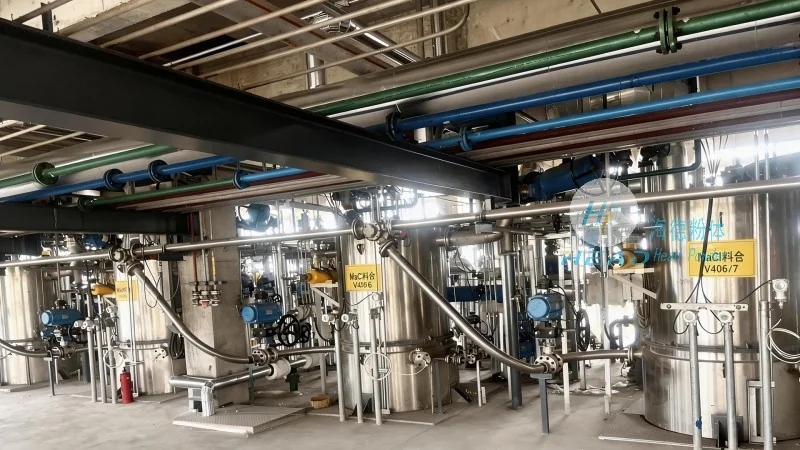
Advantages of Using Pneumatic Conveying for Oat Processing
Compared to traditional mechanical conveyors, oat cereal pneumatic conveying equipment offers several distinct advantages that make it a preferred choice in the food industry. First, it eliminates the need for physical contact between the material and the conveyor components, reducing the risk of contamination from metal or plastic parts. This is particularly important for oat products intended for human consumption, as it ensures compliance with food safety regulations. Second, the system is highly flexible, allowing for changes in the conveying route or capacity without major modifications to the infrastructure. This adaptability is valuable in dynamic production environments where product lines may be adjusted frequently. Third, pneumatic conveying is more energy-efficient than mechanical systems, as it uses compressed air to move the material rather than mechanical power. This leads to lower operational costs and reduced environmental impact. Additionally, the equipment is compact and can be installed in limited spaces, making it suitable for both large-scale industrial facilities and smaller processing plants.
Customization and Application in Oat Processing Facilities
HeadPowder recognizes that each oat processing facility has unique requirements, and therefore offers customized pneumatic conveying solutions tailored to specific applications. The company works closely with clients to understand their production volumes, material characteristics, and operational constraints to design a system that meets their exact needs. For example, in oat flour production, the equipment may be configured to handle fine particles and prevent dust accumulation in the pipeline. In oat flakes processing, the system might be optimized to maintain the integrity of the flakes during transport. The customization process includes selecting the appropriate air pressure, pipeline diameter, and material handling speed, as well as integrating features such as automatic cleaning and monitoring systems. By providing tailored solutions, HeadPowder ensures that its clients achieve maximum efficiency and product quality in their oat processing operations.
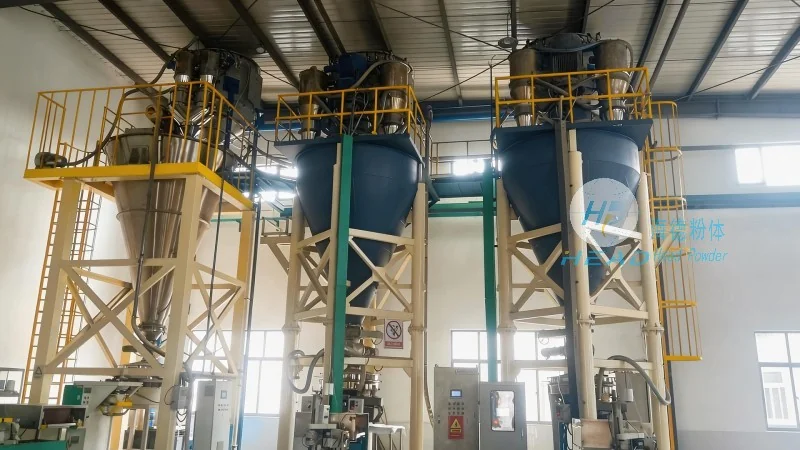
Maintenance and Longevity of Pneumatic Conveying Systems
Proper maintenance is crucial to ensure the long-term performance and reliability of oat cereal pneumatic conveying equipment. HeadPowder provides comprehensive maintenance services and guidelines to help clients maximize the lifespan of their systems. Regular maintenance tasks include inspecting and cleaning the air filters to prevent clogging, checking the compressor and air supply unit for proper operation, and monitoring the pipeline for any signs of wear or damage. The company also recommends periodic inspection of the hopper and feeder to ensure that the material is being metered correctly and to prevent material buildup. By following these maintenance procedures, clients can minimize downtime, reduce repair costs, and maintain consistent product quality. HeadPowder's commitment to quality and customer support ensures that its clients receive the necessary guidance and parts to keep their equipment in optimal condition.