

[CALCIUM CHLORIDE PNEUMATIC CONVEYING SYSTEM: UNDERSTANDING IT AND ITS DESIGN PRINCIPLES]
Calcium chloride is a widely used chemical compound in various industrial applications, including deicing, food processing, and water treatment. The efficient and reliable transportation of this material is crucial for maintaining production efficiency and ensuring product quality. A calcium chloride pneumatic conveying system is a specialized piece of equipment designed to handle the transport of calcium chloride powder or granules over short to medium distances. This system utilizes compressed air or other gases to move the material through a pipeline, eliminating the need for mechanical components like belts or buckets that might be prone to wear and tear or contamination.
What is a Calcium Chloride Pneumatic Conveying System?
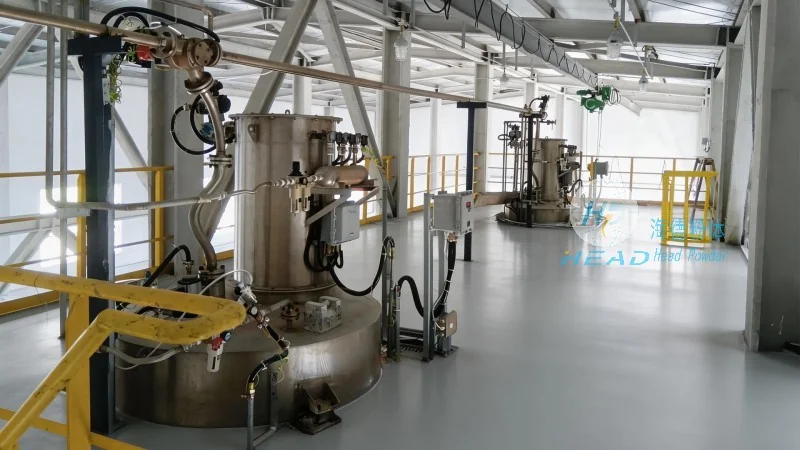
A calcium chloride pneumatic conveying system is a closed-loop system that transports bulk material, such as calcium chloride, using air or other gas as the conveying medium. The system typically consists of several key components, including a material feeder, a conveying line, a separation unit, and a receiver. The feeder introduces the calcium chloride into the system, while the conveying line transports it to the desired location. The separation unit, often a cyclone or a bag filter, separates the material from the air stream, and the receiver collects the material for further processing or storage. This system is particularly suitable for applications where the material needs to be transported in a dust-free environment or where long-distance transport is not feasible.
The Core Design Principles of the System
The design of a calcium chloride pneumatic conveying system is based on several fundamental principles to ensure efficient and reliable operation. The first principle is the selection of the appropriate conveying velocity, which is determined by the material's properties, such as particle size, density, and moisture content. The conveying velocity must be high enough to prevent material settling in the pipeline but low enough to avoid excessive wear on the system components. The second principle is the use of a consistent air flow rate, which is critical for maintaining a stable material flow and preventing blockages. The system's design also considers the pressure drop across the conveying line, which is influenced by the length of the pipeline, the diameter of the pipes, and the number of bends or fittings. Proper design of the system ensures that the pressure drop is within acceptable limits, minimizing the energy consumption and maximizing the conveying efficiency.
Key Components and Their Functions
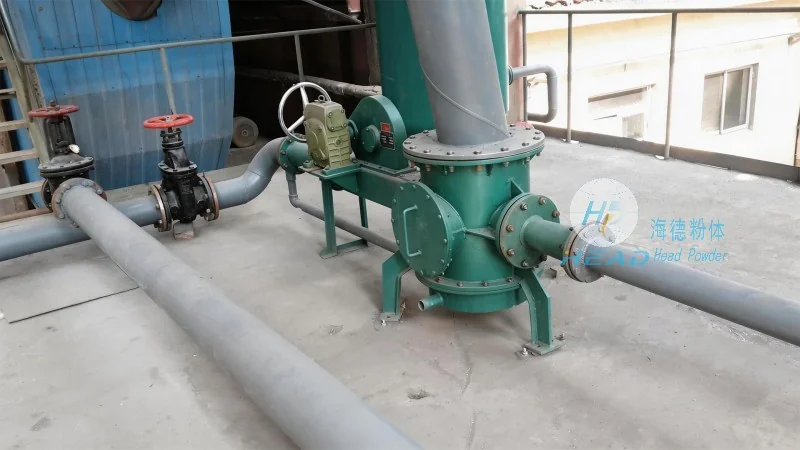
The effectiveness of a calcium chloride pneumatic conveying system depends on the proper functioning of its key components. The material feeder is responsible for feeding the calcium chloride into the system at a controlled rate, ensuring a steady flow of material. Common types of feeders include rotary valves, star feeders, and screw feeders, each with its own advantages and limitations depending on the material's characteristics. The conveying line is the main pipeline through which the material and air travel. The material is suspended in the air stream and transported along the line. The separation unit, typically a cyclone separator, uses centrifugal force to separate the material from the air. The cyclone's design, including its diameter, height, and angle, is critical for achieving high separation efficiency. The receiver is the final component of the system, where the separated calcium chloride is collected. The receiver is usually a hopper or a silo, designed to store the material until it is further processed or shipped.
Applications and Benefits of the System
Calcium chloride pneumatic conveying systems are widely used in various industries due to their versatility and efficiency. In the chemical industry, they are used to transport calcium chloride from storage silos to processing units, ensuring a continuous supply of the material. In the food industry, they are employed in food processing plants to transport calcium chloride used as a food additive or preservative. The system's ability to handle the material in a dust-free environment is particularly beneficial in food processing, where contamination control is paramount. Additionally, the system's compact design allows for installation in limited spaces, making it suitable for retrofitting into existing facilities. The benefits of using a pneumatic conveying system for calcium chloride include reduced labor costs, improved safety (as there are no moving parts exposed to the material), and increased production efficiency due to the continuous and automated operation of the system.
HeadPowder's Expertise in Designing Calcium Chloride Pneumatic Conveying Systems
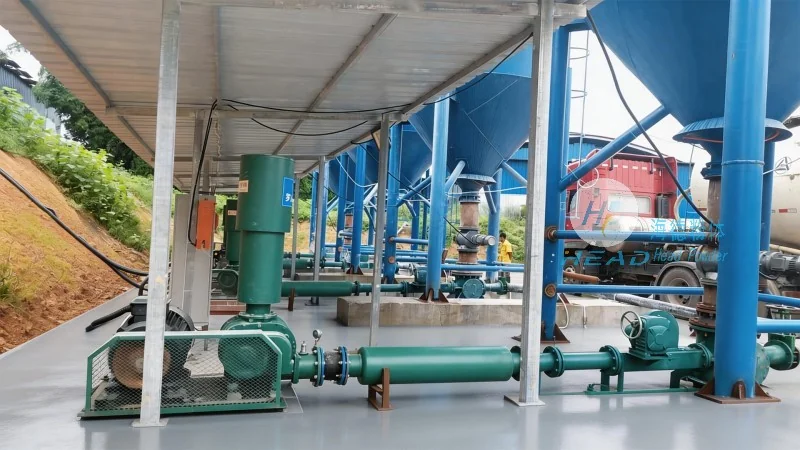
Shandong HeadPowder Engineering Co., Ltd., commonly known as HeadPowder, is a leading manufacturer and supplier of pneumatic conveying systems in China. With years of experience in the industry, HeadPowder specializes in designing and manufacturing customized calcium chloride pneumatic conveying systems tailored to the specific needs of its clients. The company's team of engineers and technicians works closely with clients to understand their production requirements, material characteristics, and operational constraints, ensuring that the designed system meets all the necessary standards and regulations. HeadPowder's design philosophy focuses on optimizing the system's performance, energy efficiency, and reliability. The company uses advanced design software and simulation tools to model the system's behavior and predict its performance under different operating conditions. This approach allows HeadPowder to provide clients with systems that are not only efficient but also cost-effective and easy to maintain. The company's commitment to quality is reflected in its adherence to international standards and its rigorous testing procedures for all its products. HeadPowder's calcium chloride pneumatic conveying systems are known for their durability, low maintenance requirements, and long service life, making them a preferred choice for many industrial applications.
Conclusion
In conclusion, a calcium chloride pneumatic conveying system is a vital piece of equipment for efficiently and reliably transporting calcium chloride in various industrial applications. The system's design is based on fundamental principles of pneumatic conveying, including the selection of appropriate conveying velocity and air flow rate, and the proper design of key components such as the feeder, conveying line, separation unit, and receiver. The system offers numerous benefits, including improved safety, reduced labor costs, and increased production efficiency. HeadPowder, with its expertise and commitment to quality, provides customized solutions that meet the specific needs of its clients, ensuring that the calcium chloride is transported safely and efficiently. As the demand for calcium chloride continues to grow, the importance of reliable and efficient conveying systems will only increase, making them an essential component of modern industrial operations.