

Cement Fly Ash Mineral Powder Pneumatic Conveying Machine: What It Is and Its Design Principles
For industrial applications involving the handling of cement fly ash and mineral powders, the pneumatic conveying machine has emerged as a critical equipment solution. This article explores the fundamental aspects of such a machine, focusing on its role in material transport and the underlying design principles that enable efficient operation.
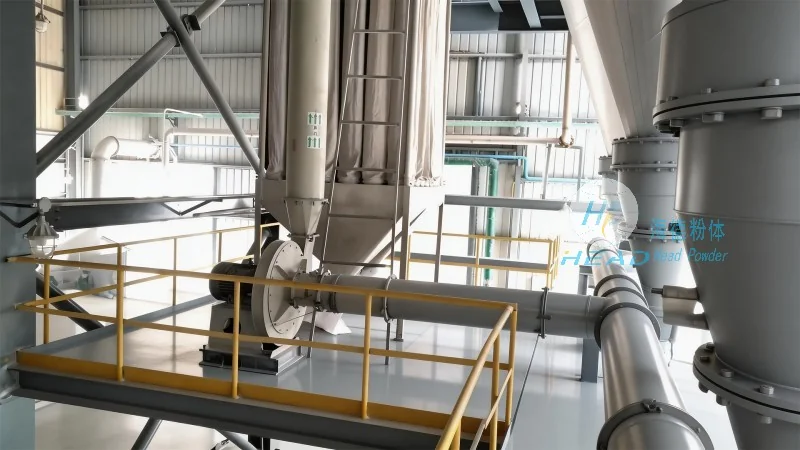
Understanding the Cement Fly Ash Mineral Powder Pneumatic Conveying Machine
The cement fly ash mineral powder pneumatic conveying machine is a specialized system designed to transport fine powders like cement fly ash, mineral powders, and other similar materials through a pressurized or vacuum air stream. Unlike traditional mechanical conveyors, this equipment utilizes air as the primary medium to move materials, offering advantages such as reduced wear and tear, minimal product contamination, and the ability to handle materials in a closed system, which is essential for maintaining product quality and safety.
Key Design Principles and Operational Mechanisms
The design of a cement fly ash mineral powder pneumatic conveying machine is based on several core principles that ensure reliable and efficient material transport. The primary mechanism involves creating a pressure differential between the conveying line and the ambient environment. In a positive pressure system, air is forced into the material container under pressure, lifting and transporting the powder through the pipeline. Conversely, a negative pressure (or vacuum) system draws air and material from the source into the conveying line, pulling the material along the pipeline to the destination.
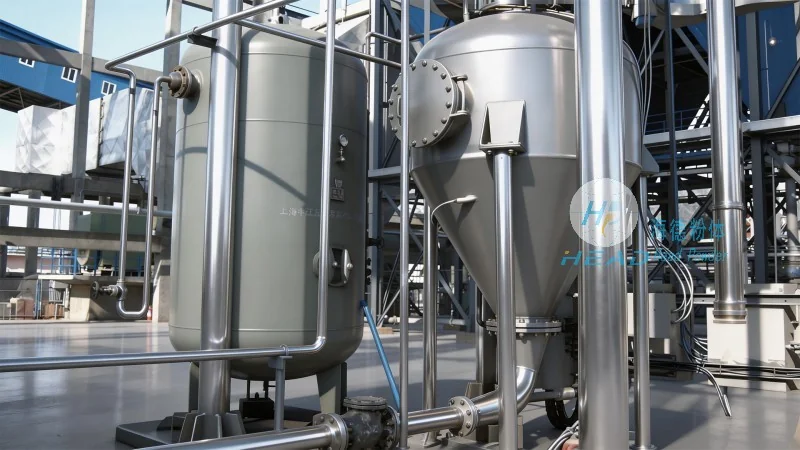
Key components of the system include the material hopper, which holds the powder and facilitates its introduction into the conveying line; the air compressor or vacuum pump, which generates the necessary pressure or vacuum; the conveying line, typically made of metal or plastic, which transports the material; and the control system, which regulates the flow of air and material to maintain consistent performance. The design also considers factors such as material properties (e.g., particle size, density, moisture content), conveying distance, and required flow rate, ensuring that the system is optimized for specific application needs.
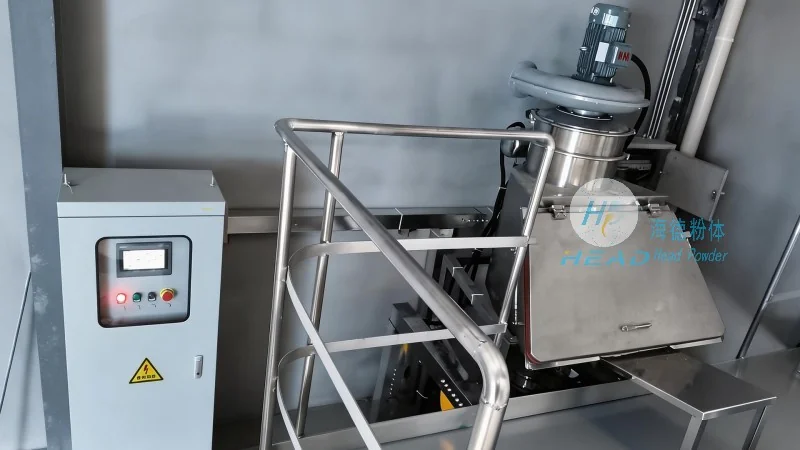
Advantages of Using a Pneumatic Conveying System for Cement Fly Ash and Mineral Powders
Implementing a pneumatic conveying machine for cement fly ash and mineral powders offers several significant benefits. First, it provides a closed system that prevents dust contamination and environmental pollution, which is crucial for maintaining compliance with industrial regulations and protecting worker health. Second, the system minimizes product degradation by avoiding contact with external elements and reducing mechanical stress on the material. Third, it offers flexibility in terms of layout, as the conveying line can be installed in various configurations to suit the plant layout, allowing for efficient material transfer between different processing stages.
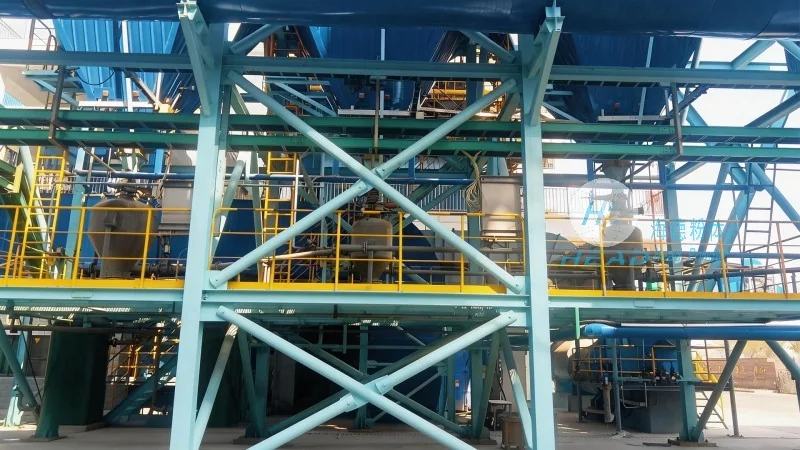
Additionally, pneumatic conveying systems are generally more compact and require less floor space compared to traditional bulk handling equipment, making them suitable for facilities with limited space. The ability to handle a wide range of material types, including fine powders that are difficult to transport using other methods, further enhances their utility in cement and mineral processing applications.
About Shandong HeadPowder Engineering Co., Ltd.
Shandong HeadPowder Engineering Co., Ltd., based in Shandong, China, is a leading manufacturer and supplier of advanced material handling equipment, including pneumatic conveying systems tailored for cement fly ash and mineral powders. With a focus on innovation and customer-centric solutions, the company leverages years of industry experience to design and produce high-quality equipment that meets the demanding requirements of modern industrial processes. Their products are engineered to deliver reliable performance, durability, and efficiency, helping clients optimize their material handling operations and improve overall productivity.