

What is a PTFE Pneumatic Conveyor? Understanding Its Design Principles
PTFE, or Polytetrafluoroethylene, is a high-performance fluoropolymer known for its exceptional chemical resistance, thermal stability, and non-stick properties. When combined with pneumatic conveying technology, it results in a specialized equipment known as a PTFE pneumatic conveyor. This device is engineered to transport bulk materials through a pressurized air system, leveraging the unique properties of PTFE to ensure durability and efficiency in challenging environments.
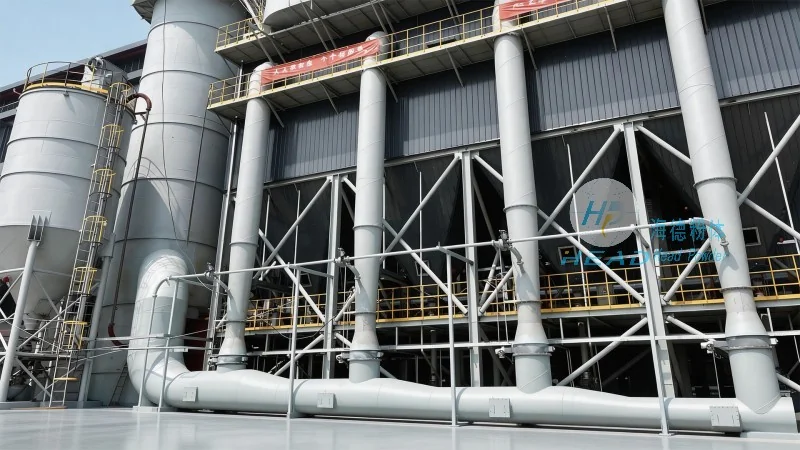
Introducing HeadPowder Engineering: A Leader in PTFE Pneumatic Conveyors
HeadPowder Engineering, a company based in Shandong, China, specializes in the design, manufacturing, and supply of advanced pneumatic conveying systems. With a strong commitment to innovation and quality, HeadPowder Engineering has established itself as a trusted partner for industries requiring reliable material handling solutions. The company's expertise lies in integrating PTFE materials into pneumatic conveyor designs, delivering equipment that meets the stringent demands of modern industrial applications.
Design Principles of PTFE Pneumatic Conveyors
The core design principle of a PTFE pneumatic conveyor revolves around the seamless integration of PTFE components with pneumatic conveying mechanisms. PTFE is chosen for its ability to resist corrosion from aggressive chemicals, withstand high temperatures, and maintain low friction, which are critical factors in material handling processes. The conveyor typically consists of a hopper, a venturi or rotary valve for material feeding, a pipeline system lined with PTFE, and a receiver for the discharged material. The air flow is controlled to create a consistent pressure differential, ensuring that the bulk material is transported efficiently and without degradation.
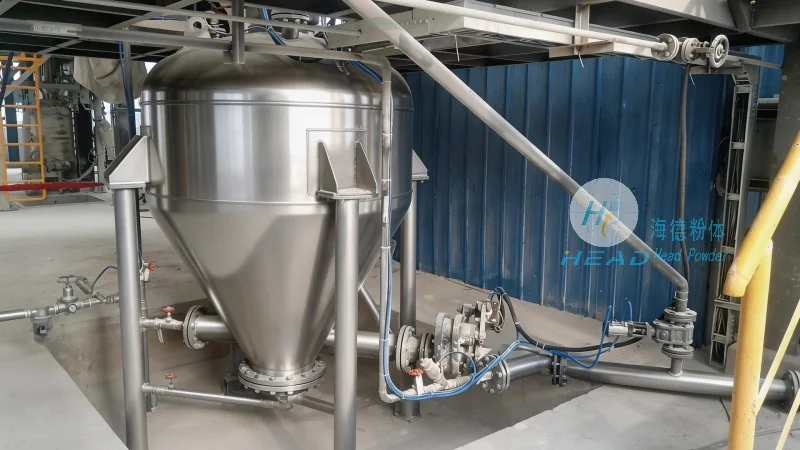
A key aspect of the design is the material selection for the conveyor's internal components. PTFE's non-stick surface prevents material buildup and clogging, which are common issues in traditional metal or plastic conveyors. This feature is particularly advantageous when handling sticky or abrasive materials. Additionally, the thermal stability of PTFE allows the conveyor to operate in a wide temperature range, from cryogenic to high-temperature environments, without compromising performance. The design also incorporates safety features such as pressure relief valves and material flow monitors to ensure operational reliability and user safety.
Key Features and Advantages of PTFE Pneumatic Conveyors
PTFE pneumatic conveyors offer several advantages that make them ideal for specialized industrial applications. Their primary benefit is the ability to handle materials that are corrosive, abrasive, or sensitive to contamination. The chemical resistance of PTFE ensures that the conveyor does not react with the transported material, preserving its integrity. Furthermore, the low friction properties of PTFE reduce energy consumption and wear on moving parts, leading to lower operational costs and longer equipment lifespan. The compact design of these conveyors also allows for easy integration into existing production lines, minimizing space requirements and installation time.
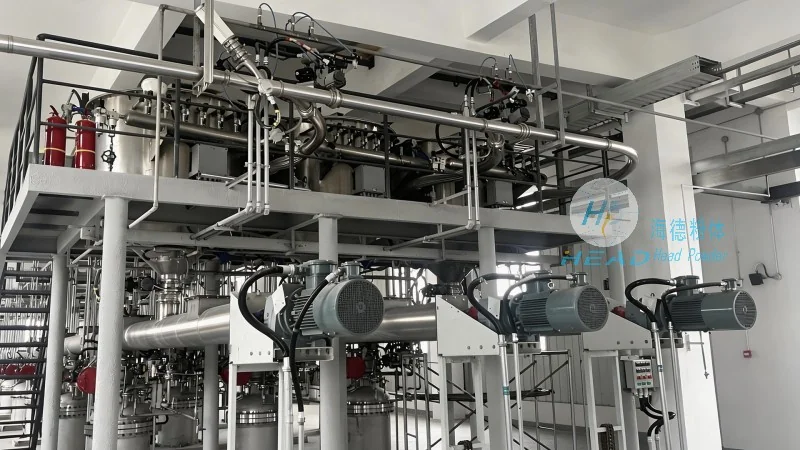
Another significant advantage is the hygienic nature of PTFE. In industries such as pharmaceuticals, food processing, and biotechnology, where product purity is paramount, PTFE-lined conveyors provide a non-porous surface that is easy to clean and sanitize. This reduces the risk of cross-contamination and meets stringent regulatory standards. The versatility of PTFE pneumatic conveyors also allows them to be customized for specific material types and processing requirements, ensuring optimal performance for each application.
Applications and Industries Served by PTFE Pneumatic Conveyors
PTFE pneumatic conveyors are widely used across various industries due to their adaptability and robust performance. In the chemical industry, they are used to transport corrosive powders and liquids, such as acids and solvents, without degradation. The petrochemical sector utilizes them for handling abrasive materials like catalysts and fine powders. The pharmaceutical industry benefits from their hygienic design, enabling the safe transport of active pharmaceutical ingredients (APIs) and other sensitive materials. Additionally, in the food and beverage industry, PTFE conveyors are employed to handle powders like sugar, flour, and spices, maintaining product quality and compliance with food safety regulations.
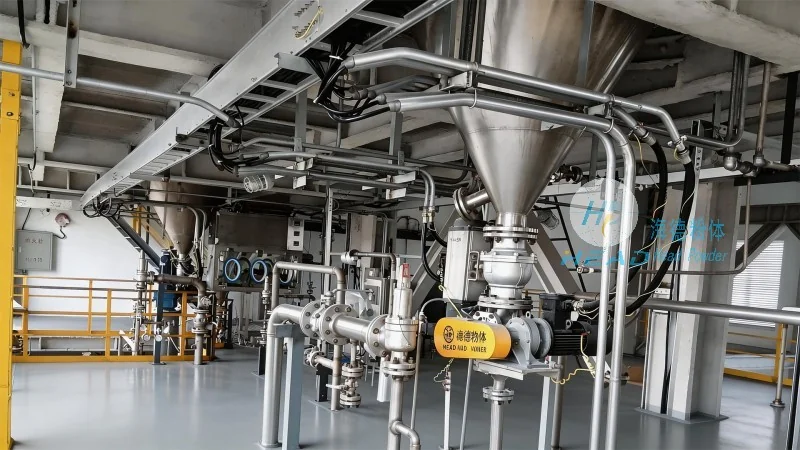
In the aerospace and defense industries, PTFE pneumatic conveyors are used for transporting high-purity materials, such as powders for composite manufacturing, where contamination must be strictly controlled. The electronics industry also relies on these conveyors for handling fine powders used in circuit board production, ensuring that the materials remain free from contaminants that could affect device performance. Overall, the versatility and reliability of PTFE pneumatic conveyors make them a preferred choice for industries that demand high-quality material handling solutions.
Conclusion: The Role of PTFE Pneumatic Conveyors in Modern Material Handling
PTFE pneumatic conveyors represent a significant advancement in material handling technology, combining the unique properties of PTFE with the efficiency of pneumatic systems. HeadPowder Engineering, with its expertise in PTFE-based conveyor design, plays a crucial role in providing these advanced solutions to industries worldwide. By adhering to rigorous design principles and quality standards, HeadPowder Engineering ensures that its PTFE pneumatic conveyors deliver consistent performance, reliability, and durability. As industries continue to evolve and demand more sophisticated material handling solutions, PTFE pneumatic conveyors remain a vital component in achieving operational efficiency and maintaining product quality. The integration of PTFE materials into these systems not only addresses the challenges of corrosive and abrasive materials but also enhances overall process reliability, making them an indispensable tool in modern industrial operations.