

What is a Plugging Pneumatic Conveying System? And What Are Its Design Principles?
Plugging pneumatic conveying systems represent a specialized category of material handling equipment designed to transport bulk materials through a pipeline using a combination of air and material. Unlike traditional pneumatic conveying methods that rely on continuous flow, plugging systems operate by creating a plug—a compact, stable column of material—within the pipeline. This design allows for efficient and controlled movement of powders and granules, making them particularly suitable for applications where material segregation, dust control, and precise dosing are critical. The core of these systems lies in their ability to manage the flow dynamics of both air and solid particles, ensuring reliable operation under various conditions.
Key Components of a Plugging Pneumatic Conveying System
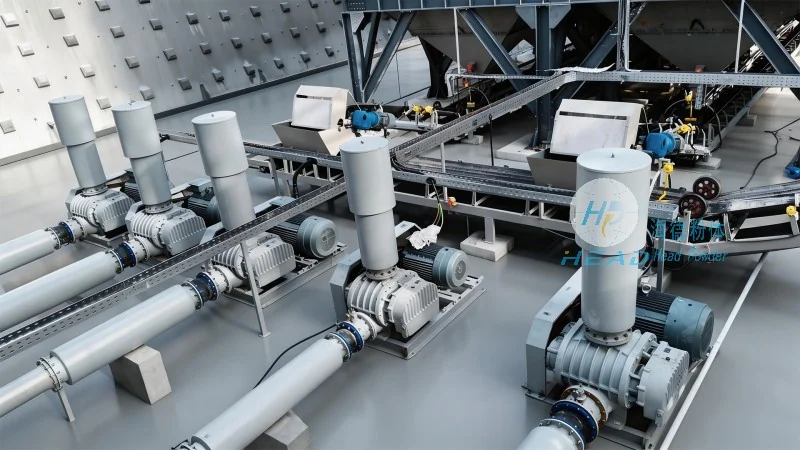
The plugging pneumatic conveying system consists of several essential components that work in tandem to achieve effective material transport. The primary elements include a hopper or feeder that feeds the material into the system, a pipeline where the plug is formed, a compressor or blower that supplies the air, and a control system that regulates the flow. The hopper is typically equipped with a valve or feeder mechanism to control the rate of material discharge, ensuring a consistent feed rate that matches the system's capacity. The pipeline is often made of materials such as stainless steel or plastic, chosen for their resistance to corrosion and wear from the conveyed materials. The compressor or blower generates the necessary air pressure to move the material, while the control system monitors parameters like pressure, flow rate, and material level to maintain optimal operation. Additionally, the system may include accessories like filters, silencers, and check valves to enhance performance and safety.
Design Principles Underlying Plugging Pneumatic Conveying
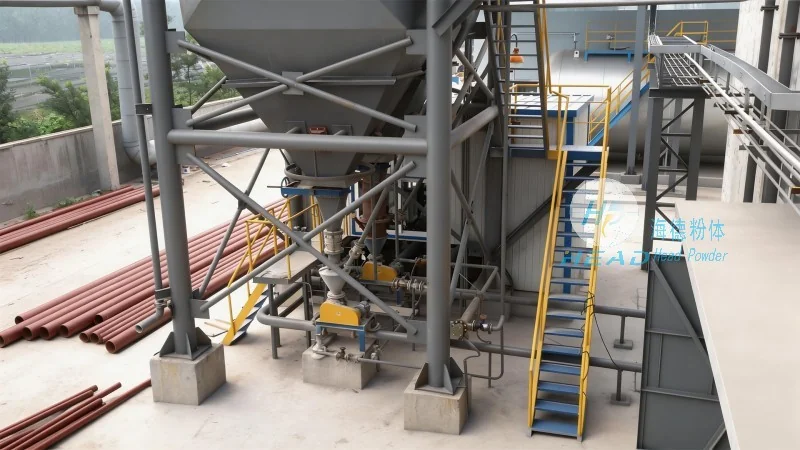
The design principles of plugging pneumatic conveying systems are centered on creating and maintaining a stable plug of material within the pipeline. The fundamental concept is to balance the forces acting on the material plug, including gravity, air pressure, and friction. The system must ensure that the plug remains intact as it moves through the pipeline, preventing material breakage or segregation. This is achieved through precise control of the air flow rate and material feed rate. The air pressure is carefully regulated to provide enough force to move the plug while minimizing the risk of material degradation or dust generation. The pipeline diameter and length are also critical design factors, as they influence the plug's stability and the overall system efficiency. Engineers must consider the physical properties of the material being conveyed, such as particle size, density, and flowability, to tailor the system design accordingly. For example, cohesive materials may require higher air pressure or a different hopper design to maintain plug integrity. The control system plays a vital role in adjusting these parameters in real-time, ensuring the system operates within optimal conditions. By adhering to these design principles, plugging pneumatic conveying systems can achieve high efficiency, low maintenance, and reliable performance in various industrial applications.
Applications and Benefits of Plugging Pneumatic Conveying Systems
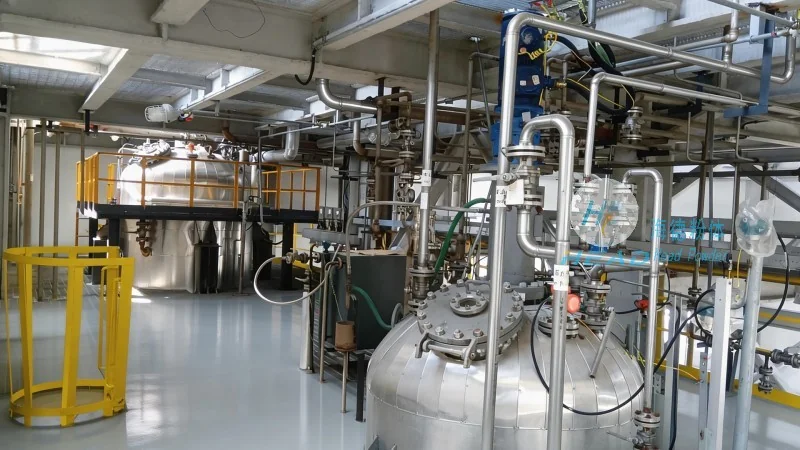
Plugging pneumatic conveying systems find widespread application in industries where bulk material handling is essential, such as chemical, pharmaceutical, food processing, and mining. These systems are particularly advantageous in scenarios where material contamination, dust control, and precise dosing are paramount. For instance, in the pharmaceutical industry, plugging systems are used to transport active pharmaceutical ingredients (APIs) and other sensitive powders, ensuring they remain uncontaminated and free from dust. In the food industry, they are employed to handle ingredients like flour, sugar, and spices, maintaining product quality and preventing cross-contamination. The benefits of plugging pneumatic conveying systems include improved material handling efficiency, reduced labor costs, and enhanced safety compared to traditional methods like belt conveyors or manual handling. Additionally, these systems can operate in a closed loop, minimizing environmental impact and dust emissions. The ability to control the flow rate precisely allows for accurate dosing, which is crucial in processes like mixing and formulation. Overall, plugging pneumatic conveying systems offer a reliable and efficient solution for transporting bulk materials, contributing to increased productivity and operational safety in various industrial settings.